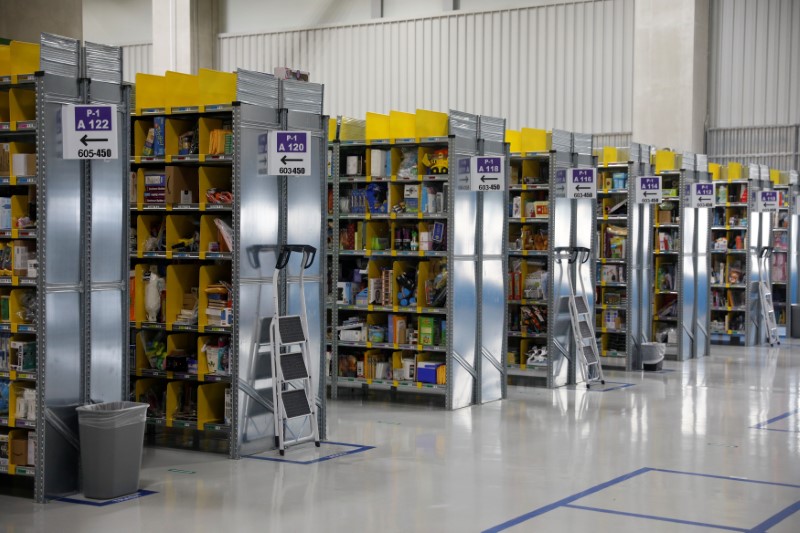
AWS's Bahrain region suffered a service disruption due to nearby drone activity tied to the U.S.-Israel war on Iran; Amazon is assisting customers to migrate to alternate regions while working to recover. This is the second incident affecting AWS Bahrain since the conflict began (earlier March saw power outages in Bahrain and the UAE). Extent and duration of the outage are unclear, posing operational risk for affected customers and potential short-term reputational/service reliability pressure for AMZN.
A cloud-region disruption is a tail event that disproportionately affects sensitive, single-region deployments and procurement decisions rather than AWS’s headline revenue in the near term. Expect enterprise CIOs to accelerate multi-region/multi-cloud architectures and to push for harder SLA language and credits; that behavior drives incremental revenue to alternatives (Azure, GCP) and to on-prem / colo solutions over a 3–12 month horizon.
The immediate market impact will be sentiment-driven and concentrated on the stock with the largest perceived operational responsibility, but the real second-order profit shift accrues to vendors that enable resilience: on-prem server OEMs, colo providers, DR orchestration, and cloud-agnostic management stacks. For hardware vendors with available capacity, order-books can uptick within one quarter as large customers convert contingency budgets into purchases.
Key catalysts to watch are twofold: (1) customer-level disclosures during earnings/IT reviews (procurement cycles and contract renegotiations) over the next 90 days, and (2) recurrence or regulatory inquiries which turn a one-off into a structural risk over 6–18 months. A single incident flips from headline to strategy only if customers quantify migration costs >5–7% of annual cloud spend or if multiple region incidents occur within 6 months.
This bifurcates trade approaches: short-duration, event-driven hedges against sentiment (weeks–months) and medium-term asymmetric longs to vendors solving resilience (3–12 months). Position sizing should assume elevated idiosyncratic volatility and use defined-risk option structures where possible.
AI-powered research, real-time alerts, and portfolio analytics for institutional investors.
Overall Sentiment
neutral
Sentiment Score
0.00
Ticker Sentiment
