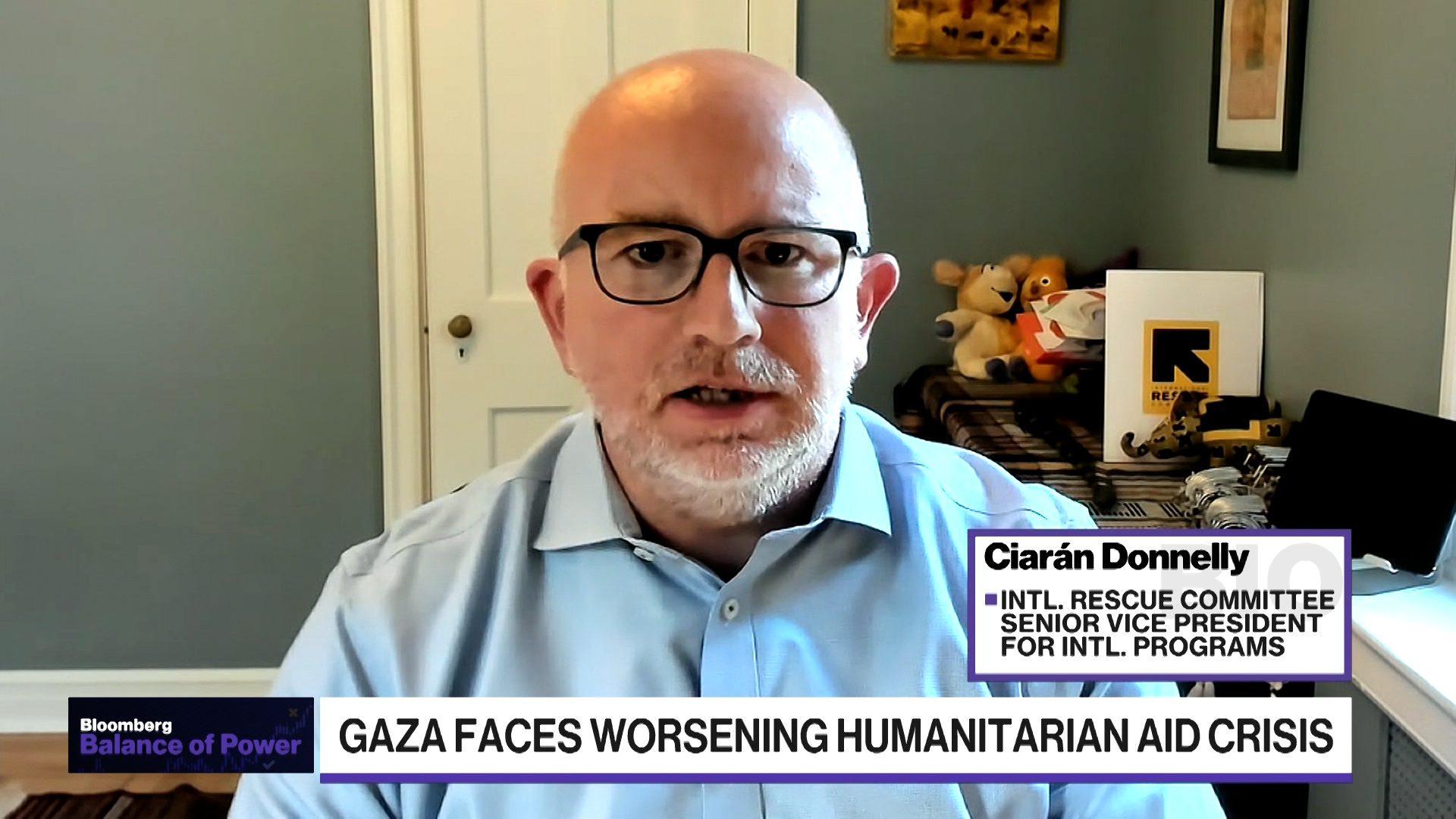
Recent news highlights several critical developments for investors: former President Trump is scheduled for trade talks with the UK and EU in Scotland, potentially shaping future transatlantic commerce. Concurrently, the faltering Gaza truce talks signal continued geopolitical instability and humanitarian crisis. Domestically, Federal Reserve official Brainard's comments on political pressure as a 'diversion' from the Fed's mission underscore ongoing concerns regarding central bank autonomy and its implications for monetary policy.
The current news landscape points to a confluence of significant geopolitical and macroeconomic risks. Former President Trump's planned trade discussions with UK and EU officials in Scotland introduce uncertainty into transatlantic commercial relations, signaling potential policy shifts that could impact trade-sensitive sectors. Concurrently, the faltering of Gaza truce talks exacerbates geopolitical instability in the Middle East, a critical factor for global energy markets and risk sentiment. Domestically, comments from Federal Reserve official Brainard, framing political pressure as a 'diversion' from the Fed's mandate, highlight the persistent tension between political cycles and central bank independence. This raises concerns about the future trajectory of monetary policy, particularly in a politically charged environment. The combination of these factors—trade policy ambiguity, heightened geopolitical conflict, and questions surrounding central bank autonomy—creates a complex and cautious outlook for investors, underscored by the mixed sentiment and moderate market impact score.
AI-powered research, real-time alerts, and portfolio analytics for institutional investors.
Request DemoOverall Sentiment
mixed
Sentiment Score
-0.10
