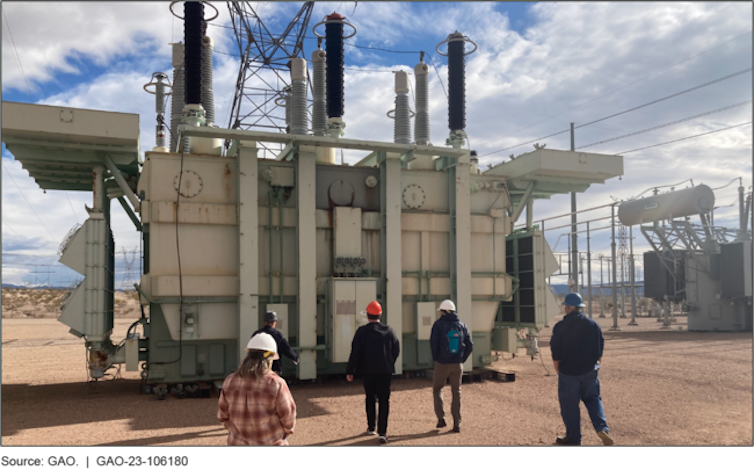
A coordinated operation in Venezuela combined a kinetic seizure of President Nicolás Maduro with a sophisticated cyberattack that manipulated industrial control systems to cause a citywide blackout, illustrating the growing capacity for cyber operations to produce physical infrastructure damage. The piece details attack techniques (sensor spoofing, breaker flapping), cites historical precedents (Stuxnet, Industroyer, Volt Typhoon), and highlights systemic vulnerabilities from outdated firmware, third‑party libraries, exposed web interfaces and insecure distributed energy resources. It warns of regulatory misalignment and supply‑chain commonalities that could create widespread, cross‑sector risk — implications that favor increased defense, cybersecurity and infrastructure hardening spending by utilities, governments and defense contractors.
Market structure: Winners are cyber-SaaS and OT-focused security vendors (expect pricing power to rise as budgets reallocate; +10–25% CY1 revenue growth consensus repricing likely) and defense primes with cyber missions (LMT, NOC). Losers include legacy industrial control vendors running unsupported stacks, underfunded regional utilities and insurers facing physical-loss tail risk; technicians/supply of OT specialists will be the scarce input, pushing contractor rates higher.
Risk assessment: Tail risks include a US-wide coordinated grid attack causing multi-week outages, triggering a flight to quality in Treasuries and >5% spike in power/commodity prices; low probability but high impact within 0–12 months. Hidden dependencies: ubiquitous third-party libraries (OpenSSL, embedded web UIs) create correlated failure across vendors. Catalysts: a domestic incident, major vulnerability disclosure, or new mandatory federal regulation in the next 3–9 months would accelerate capex and service demand.
Trade implications: Tactical trades favor 6–18 month exposure to market leaders in endpoint/OT security and defense cyber contractors, and selective industrial-electrical equipment suppliers that win grid hardening contracts (GE, ABB). Use options to control risk: 9–12 month call spreads on software leaders, buy short-dated tail hedges on utilities/energy. Rotate out of small regional utilities and legacy on-prem security vendors over 1–4 quarters.
Contrarian angles: Consensus overweights pure-play SaaS winners; market underprices an extended industrial capex cycle (12–36 months) to replace/vet controllers — a win for ABB/GE/HON and select private OT vendors. Reaction may be uneven: some cyber names are expensive (fast money), so prefer relative-value (long best-of-breed vs short legacy) and avoid one-way leverage into crowded large-caps until regulatory clarity (30–90 days) emerges.
AI-powered research, real-time alerts, and portfolio analytics for institutional investors.
Request DemoOverall Sentiment
moderately negative
Sentiment Score
-0.60
