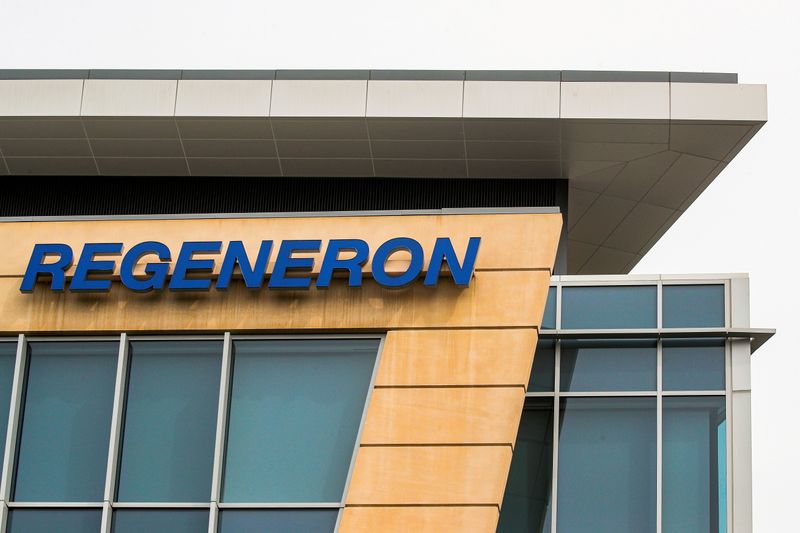
Regeneron shares fell nearly 12% premarket after its phase 3 fianlimab trial in metastatic melanoma failed to meet the primary endpoint of progression-free survival. The study showed a numeric 5.1-month improvement, but not statistical significance, prompting Citi to cut the stock to neutral from buy and slash its target to $700 from $900. BMO also lowered its price target by nearly 20%, with analysts warning the shares could stay under pressure.
REGN’s setback is less about one melanoma readout and more about the market reassessing the probability that the company can keep layering high-value immunology assets without paying up in commercial optionality or pipeline risk. When a flagship catalyst disappoints this late, the second-order effect is multiple compression: investors start discounting a lower probability of pipeline “step-ups” and assign less value to the company’s ability to re-rate on data alone over the next 6-12 months.
The near-term losers are not just shareholders; they are also peers using combination-immunotherapy as a valuation anchor. Any company with a near-term oncology readout tied to PFS improvement versus established PD-1 standards should trade with a higher risk premium, because the bar just moved from “numerically better” to “cleanly differentiated and statistically robust.” That raises the probability of broader de-risking in mid-cap biotech names with event-driven upside and limited balance-sheet support.
The biggest contrarian point is that the selloff may overshoot if investors treat this as a thesis break rather than a pipeline-specific miss. REGN still has the balance sheet and base business to absorb a pipeline stumble, and if the ongoing head-to-head study versus Opdualag becomes the cleaner commercial comparator, the market could re-open the story in 6-18 months. But until then, the path of least resistance is lower because the “defining catalyst” premium has been removed.
For the broader tape, this is a reminder that biotech names with one dominant catalyst often have more downside than implied by consensus target cuts, because the de-rating occurs in both the probability-weighted pipeline and the confidence multiple. That makes this a tradable event, not just a fundamental disappointment.
AI-powered research, real-time alerts, and portfolio analytics for institutional investors.
Request DemoOverall Sentiment
strongly negative
Sentiment Score
-0.72
Ticker Sentiment
