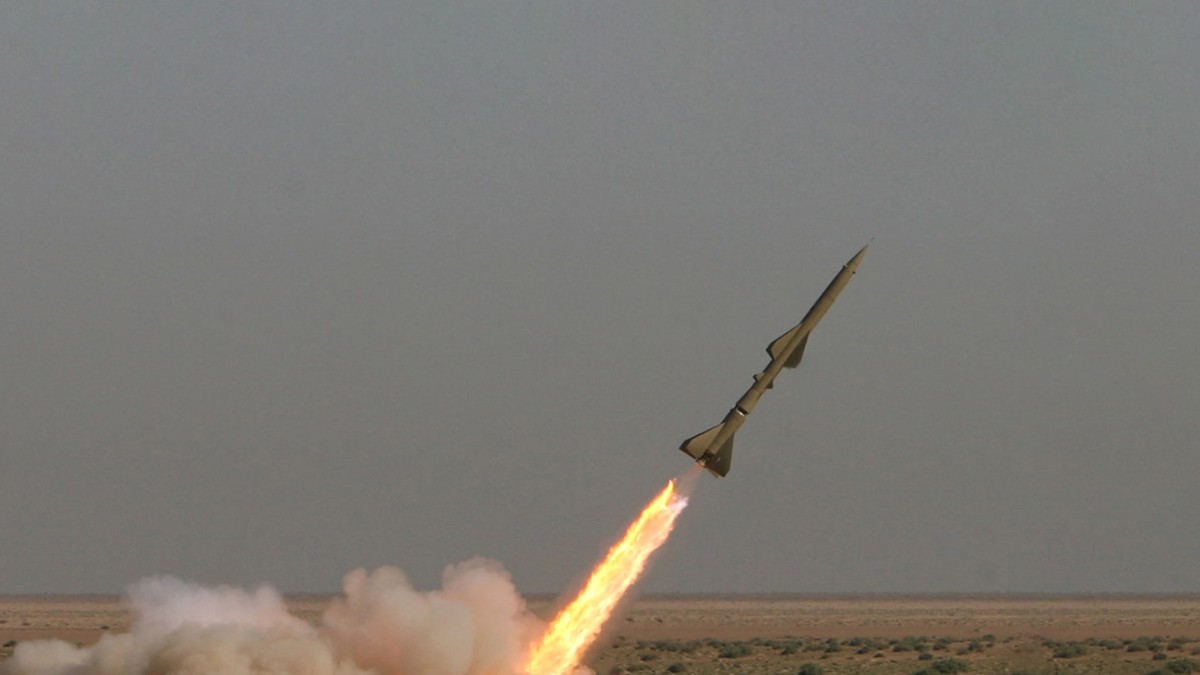
Up to 45% of global oil flows could be closed if both the Strait of Hormuz and Bab el‑Mandeb are shut, potentially pushing Brent toward ~$200/bbl; Macquarie warns prices could reach $150–$200/bbl with U.S. gasoline near $7/gal. The Houthi entry into the Israel–Iran conflict (28–29 March) raises the risk of multi‑front supply shocks, while recent U.S. 30‑day waivers legalize roughly 170 million barrels of Iranian oil at sea and a similar waiver for Russia is projected to raise Kremlin oil & gas receipts from ~$12B to ~$24B this month. IEA emergency stocks (~1.2bn bbl) and China’s inventories may mitigate short‑term disruption, but prolonged closures would be market‑wide and highly inflationary for energy importers.
Markets are re-pricing a higher baseline of geopolitical risk as state and non-state actors acquire durable revenue and logistics pathways that lengthen conflict horizons. The structural impact is twofold: (1) reduced short-term upside volatility where formalized trade cushions supply shocks, and (2) a higher probability of protracted interruptions because opposing parties are now funded to sustain asymmetric pressure campaigns; that combination favors assets that monetize volatility or benefit from storage/transport scarcity.
Expect contango-driven demand for floating storage, insurance spreads, and owner leverage to persist for months, compressing refining incentives toward heavier, longer-haul crudes and widening crack-spread dispersion between regions. Shipping and storage owners with flexible fleets and insurance relationships are non-linear beneficiaries, while demand-sensitive sectors (airlines, high-frequency logistics) face outsized margin pressure and potential secondary insolvency risk in weak carriers over a 3–9 month window.
Key reversal catalysts are diplomatic quid-pro-quo deals, coordinated reserve releases by consumer blocs, or a visible decline in proxy revenue streams; each could normalize spreads within 30–90 days. Conversely, any escalation that degrades insurance clarity or causes a cascade of port closures would push dislocations into the 6–12 month regime and materially increase the probability of recessionary demand destruction, creating a regime shift that rewards hedged, option-like positions and penalizes levered cash-flow exposures.
AI-powered research, real-time alerts, and portfolio analytics for institutional investors.
Request DemoOverall Sentiment
strongly negative
Sentiment Score
-0.70
