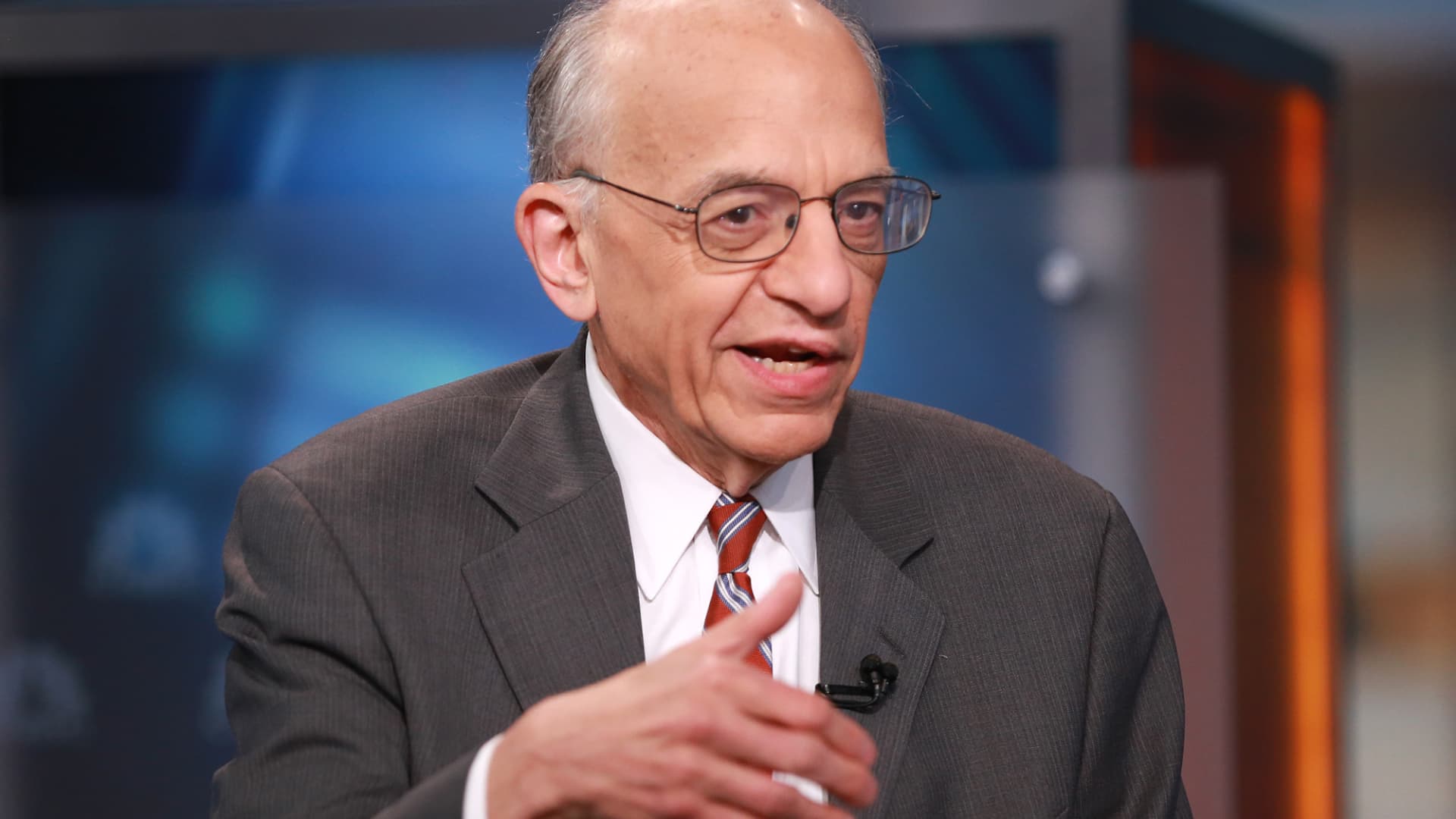
U.S. gasoline prices hit a nationwide average of $4.018 (AAA) after spiking more than 30% since late February; Jeremy Siegel says the economy can still expand so long as gas remains below roughly $4–$4.10. He views current pump prices as not high on an inflation-adjusted historical basis and notes signs the U.S.-Iran/Israel conflict may de-escalate, reducing further upside risk to oil and inflation. Implication: modest near-term inflation risk from fuel, but limited downside to growth if prices hold near current levels.
A gasoline price ceiling near $4.10 acts like a soft cap on headline inflation transmission from oil into discretionary spending for the next 1–6 months, preserving real household cashflows and favoring activity-sensitive sectors (travel, autos, dining). That said, the distributional hit is asymmetric: lower-income households and small trucking fleets feel pressure earlier, creating micro shockwaves in regional retail and last-mile logistics margins within 0–90 days.
Refiners and marketing businesses are a second-order beneficiary: even modestly elevated pump prices increase product crack resilience relative to E&P profits because refiners capture product spreads, not just crude price. Conversely, highly levered shale names face compressed returns if oil stabilizes below the level that justifies fresh capex, creating a disconnect between upstream capex expectations and refining & midstream free-cash-flow upside over the next 3–12 months.
Key catalysts to watch are binary and short-dated: any Iran escalation or shipping insurance shock can move Brent/WTI by $10–25/bl in days, while OPEC spare capacity moves and SPR releases act over weeks-to-months. For policy, a durable cap under gasoline reduces the Fed’s near-term upside inflation risk, lowering the probability of an immediate hiking surprise but raising sensitivity to any sudden supply shock.
The consensus risk is underestimating refiners’ asymmetric optionality and overestimating cyclical upside for shale. If gasoline remains capped, expect relative performance divergence: refiners/mids and consumer mobility names outperform marginal E&P capex plays; if geopolitical risk spikes, the fast hedge (short-dated crude calls bought as insurance) will be the most cost-effective protection.
AI-powered research, real-time alerts, and portfolio analytics for institutional investors.
Request DemoOverall Sentiment
mildly positive
Sentiment Score
0.15
