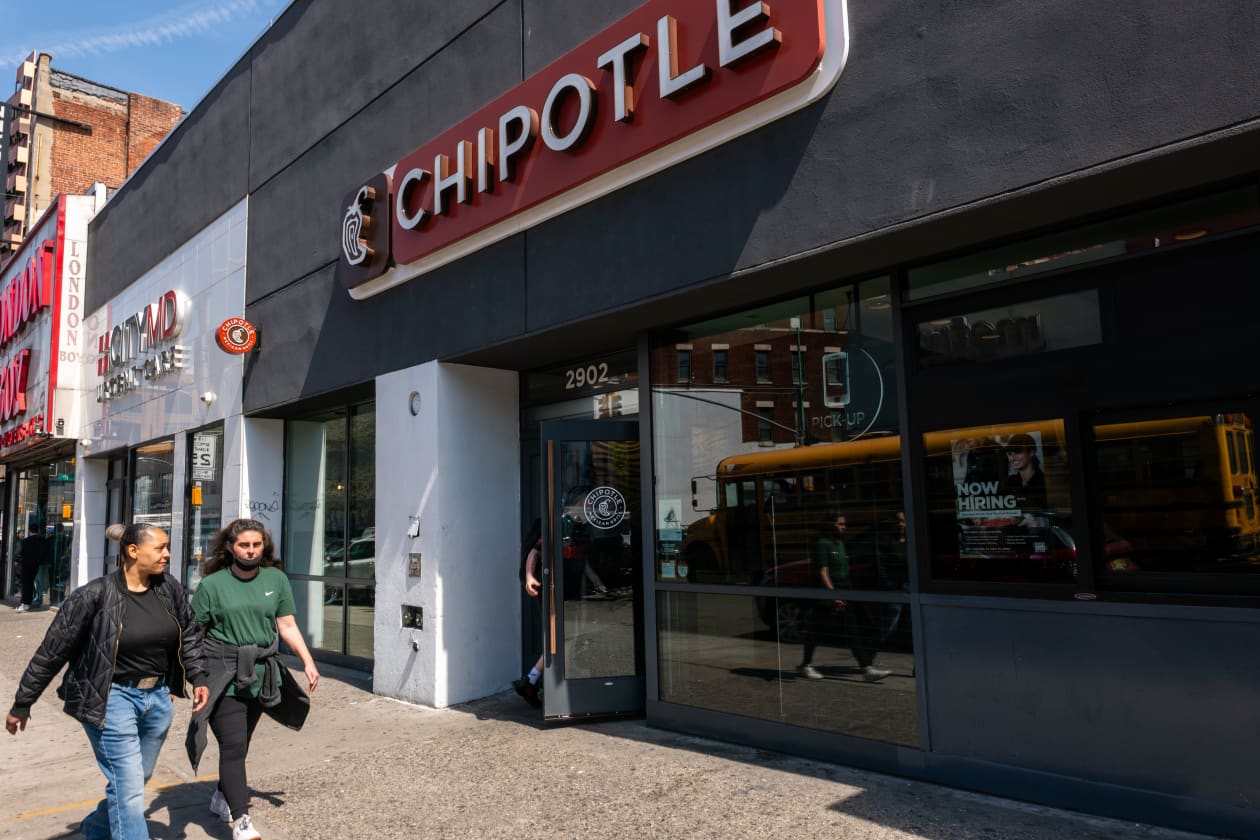
Big brands are benefiting from Americans' protein-focused health and weight-loss trends, with Chipotle rolling out high-protein menu options, Hershey emphasizing 'functional snacking,' Starbucks offering protein drinks, and PepsiCo launching Doritos Protein chips. The article suggests protein is an easy product attribute to add, supporting incremental demand and product differentiation rather than a major financial inflection. Market impact appears modest but constructive for consumer brands exposed to snacking and beverage innovation.
The immediate winner is not just the brands that can add protein, but the ones that can do it without destroying unit economics. Protein claims tend to lift average ticket and frequency, yet the real margin lever is menu architecture: if the premium can be attached to an existing SKU with minimal operational change, gross margin expands; if it requires new prep steps, throughput falls and offsets the basket lift. That makes the concept more valuable for chains with strong customization and supply chain leverage than for pure “launch a new item” strategies. Second-order, this is a pull-through story for ingredient suppliers and commodity adjacencies: whey, dairy proteins, collagen, and chicken/beef input demand should stay firm, while price competition may intensify in commodity snack formats where everyone can copy the label quickly. The defensibility is not the protein grams themselves but the brand’s ability to claim credibility with health-conscious consumers and GLP-1 users, a cohort that is structurally less interested in volume and more interested in satiety-per-calorie. That favors companies that can translate a functional claim into repeat purchase rather than one-off trial. The contrarian risk is that this becomes a short-cycle marketing fad rather than a durable volume driver. If consumers start to view protein claims as table stakes, the uplift gets competed away into promo spend within 1-2 quarters, leaving only the operational winners. There is also a potential backlash if “proteinized” snacks are perceived as still ultra-processed, which would hit the snack companies harder than foodservice, where customization makes the claim feel more authentic. From a timing perspective, the near-term catalyst is Q1/Q2 mix data: if protein items lift same-store sales without hurting transaction counts, the market will reward the narrative quickly; if not, this likely fades by mid-year. The best setup is to own the names where protein can raise ticket while preserving speed and brand trust, and fade those relying on packaged-snack line extensions to do the heavy lifting.
AI-powered research, real-time alerts, and portfolio analytics for institutional investors.
Request DemoOverall Sentiment
mildly positive
Sentiment Score
0.35
Ticker Sentiment
