A recent S&P Global study projects that companies will face an additional $1.2 trillion in expenses by 2025 due to tariffs, with over $900 billion, or two-thirds of this burden, expected to be passed on to U.S. consumers. The Yale Budget Lab estimates this policy will cost households nearly $2,400 more annually. Despite the current U.S. inflation rate hovering around 2.9%, the ongoing tariff regime, including a threatened 100% tariff on Chinese goods, is leading to significant price increases, reduced product availability, and altered consumer spending patterns, fostering widespread apprehension about rising costs.
The S&P Global study projects a substantial $1.2 trillion increase in corporate expenses by 2025 due to tariffs, with an estimated $900 billion, or two-thirds, expected to be borne by U.S. consumers. This translates to an additional cost of nearly $2,400 per household annually, according to the Yale Budget Lab. Despite the current 2.9% U.S. inflation rate, these tariff-induced costs are significantly eroding consumer purchasing power.
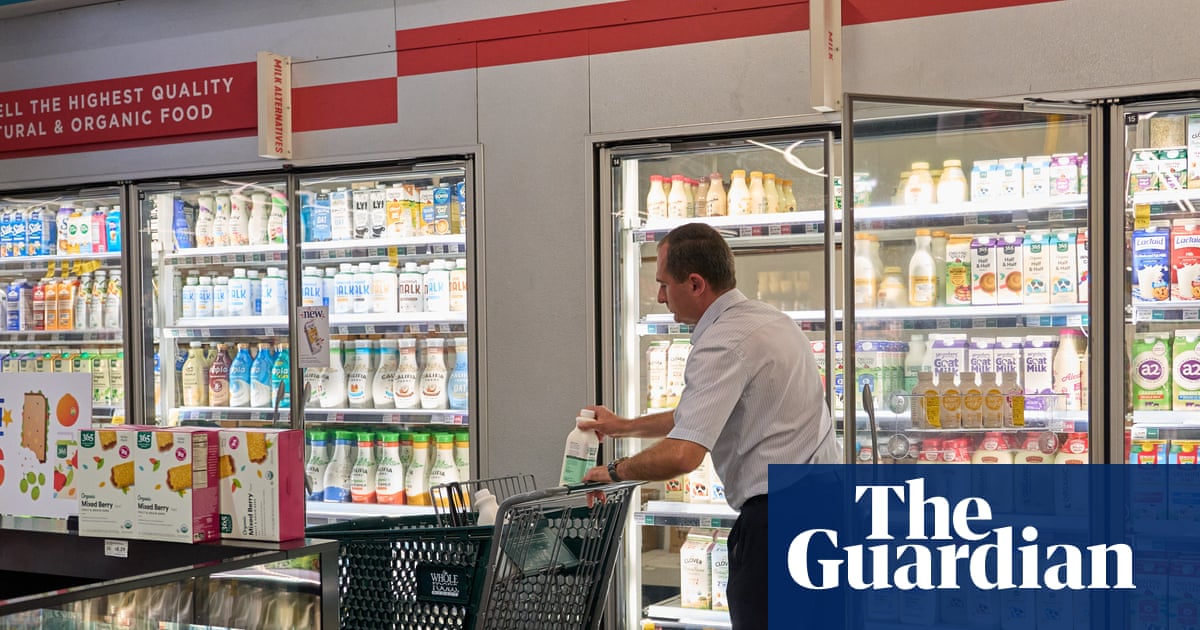
Consumer anecdotes highlight widespread price increases across essentials like groceries and auto parts, coupled with reduced product availability and "empty shelves." This has forced consumers to alter spending habits, prioritizing essentials and reducing discretionary purchases, as exemplified by shifts from dining out to home-cooked meals and extensive multi-store shopping for deals. The Guardian poll identifies tariffs as the second biggest threat to the economy, reflecting broad apprehension.
The current administration shows no signs of reversing its tariff policy, with President Trump recently threatening a 100% tariff on Chinese goods by November, escalating an existing average tariff of 58%. This aggressive stance, despite acknowledging its unsustainability, suggests continued trade friction and potential supply chain disruptions. Such policies risk further exacerbating consumer costs and limiting product choices, impacting retailers like Walmart (WMT) which has already seen supply issues.
AI-powered research, real-time alerts, and portfolio analytics for institutional investors.
Request DemoOverall Sentiment
strongly negative
Sentiment Score
-0.80
Ticker Sentiment
