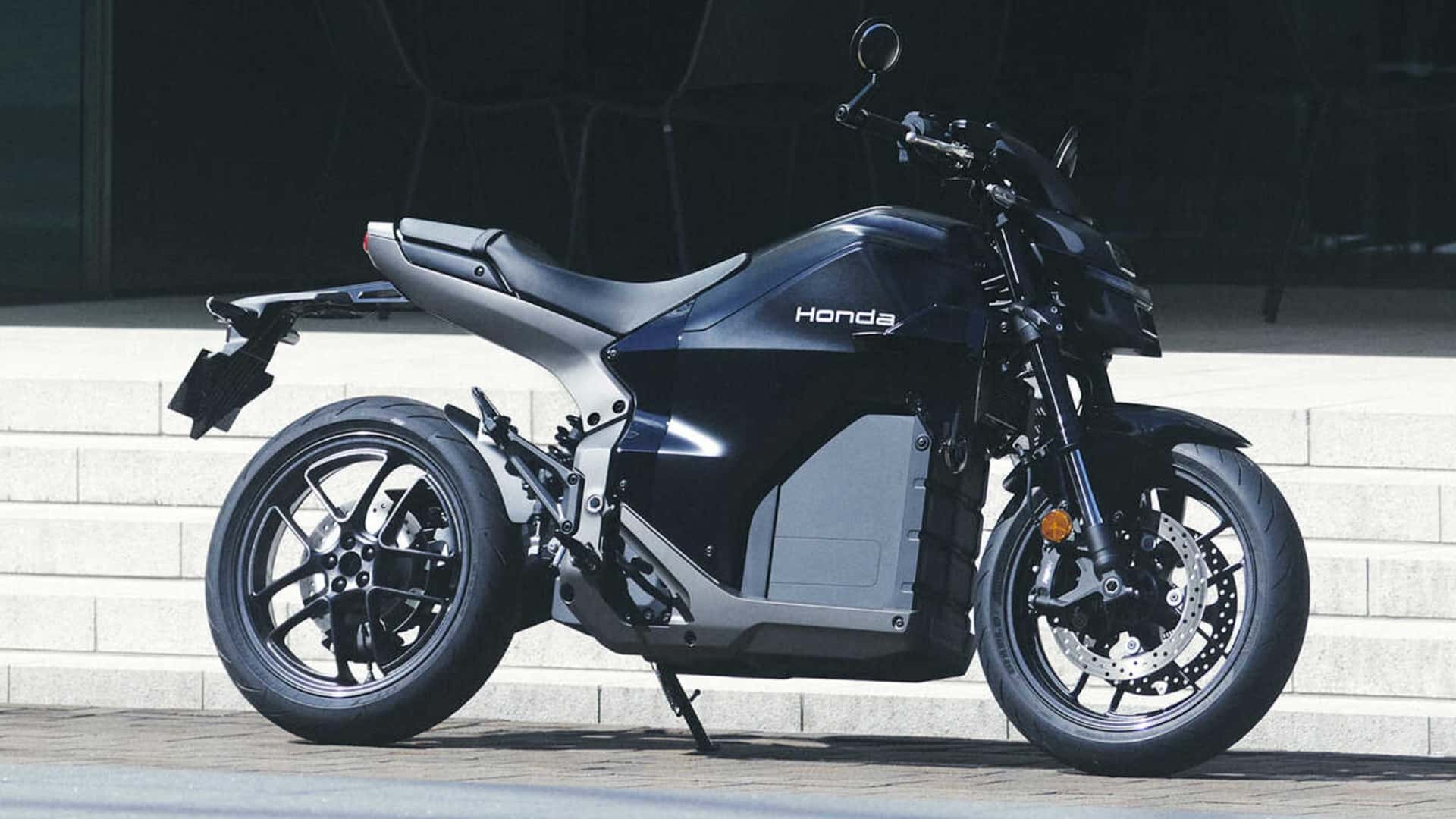
Honda's WN7 electric naked bike won an iF Design Gold Award pre-launch and debuted as a production-ready model at EICMA with deliveries expected soon. Key specs: ~67 hp, ~74 lb-ft torque, and CCS charging capable of 20→80% in ~30 minutes, positioning it as a midweight, practical EV motorcycle. Market impact hinges on pricing, real-world range and highway/twisties performance, which remain unknown and will determine consumer uptake.
Honda’s decision to present an EV that reads like an ICE motorcycle materially lowers behavioral adoption friction — the kind that converts showroom curiosity into purchase. A conservative scenario where Honda converts 2–5% of global midweight buyers over 24 months implies on the order of low‑tens of thousands of incremental EV units per year, which meaningfully shifts component demand (battery packs, CCS inlets, electric drivetrains) from niche startups to OEM‑scale suppliers. That transfer changes where profit pools land: incumbents with deep dealer networks and scale for warranty provisioning gain share, while small EV specialists face margin pressure when competing on price and distribution.
Second‑order supply implications favor battery manufacturers with automotive scale and CCS‑capable power electronics — this will compress addressable margins for proprietary or boutique battery pack builders and raise bargaining leverage for large cell suppliers, especially if Honda standardizes on common automotive chemistries. Aftermarket and ICE parts vendors (chains, carburetor specialists, small ICE engine remanufacturers) face multi‑year secular headwinds in the midweight street segment as OEMs design batteries into structure and reduce parts complexity. Regional winners will be dealers and urban DC fast network operators in markets where first‑wave EV bikes penetrate; losers include capital‑constrained OEMs that must retool plants and small private EV brands.
Key catalysts and risks: near‑term catalyst set is pricing disclosure and first independent ride reviews (weeks–months), which will drive retail reservation rates; medium‑term (12–36 months) catalysts are production ramps and warranty/data on battery longevity. Tail risks include a pricing misstep, thermal/battery reliability issues, or slow charging infrastructure uptake that could reverse retail demand quickly; another reversal path is OEMs cutting ICE ranges/prices to defend share, delaying electrification economics. Overall, this is a modest positive structural signal for incumbents and suppliers with scale, but outcomes hinge on price, range, and dealer execution over the next 12–24 months.
AI-powered research, real-time alerts, and portfolio analytics for institutional investors.
Request DemoOverall Sentiment
mildly positive
Sentiment Score
0.25
Ticker Sentiment
