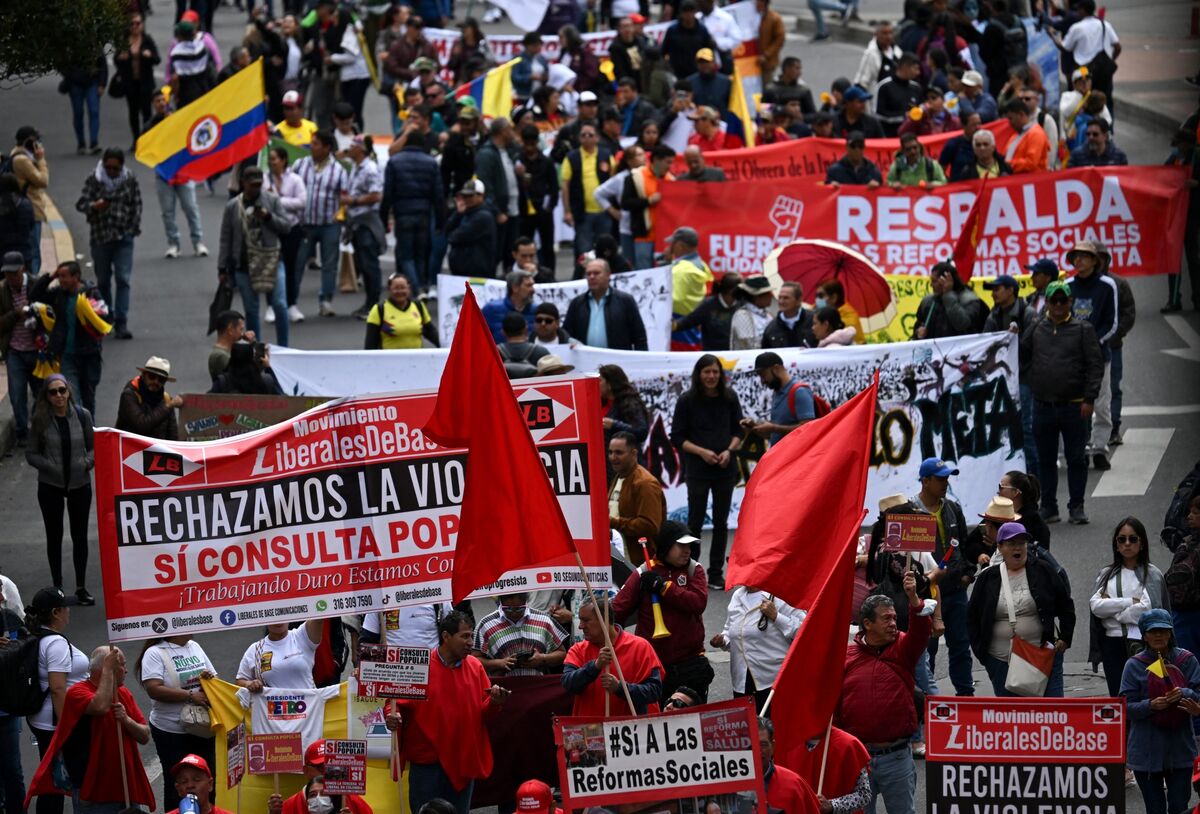
President Gustavo Petro has signed a decree to hold a labor-rights referendum in Colombia amid escalating violence. The referendum proposes significant changes to labor laws, including increased overtime pay, doubled wages for Sunday and holiday work, and expanded rights for agricultural and domestic employees. The timing of the referendum, during a period of heightened security concerns, adds complexity to the political landscape.
Colombian President Gustavo Petro has advanced a labor-rights referendum by signing a decree, a move that occurs amidst a notable escalation in armed attacks across the country. The referendum proposes substantial modifications to labor regulations, including increases in overtime compensation, a doubling of wages for work performed on Sundays and holidays, and the establishment of special rights for agricultural and domestic workers. These proposed changes, if enacted, could significantly elevate labor costs for businesses operating in Colombia. The timing of this initiative, concurrent with rising security concerns, introduces considerable uncertainty into the nation's political and economic outlook, reflected in a mixed sentiment (score 0.0) and uncertain tone surrounding the developments. The moderate market impact score of 0.55 suggests that these events are material for investors with Colombian exposure, potentially affecting corporate profitability, inflation, and overall investment risk within this emerging market.
AI-powered research, real-time alerts, and portfolio analytics for institutional investors.
Request DemoOverall Sentiment
mixed
Sentiment Score
0.00
