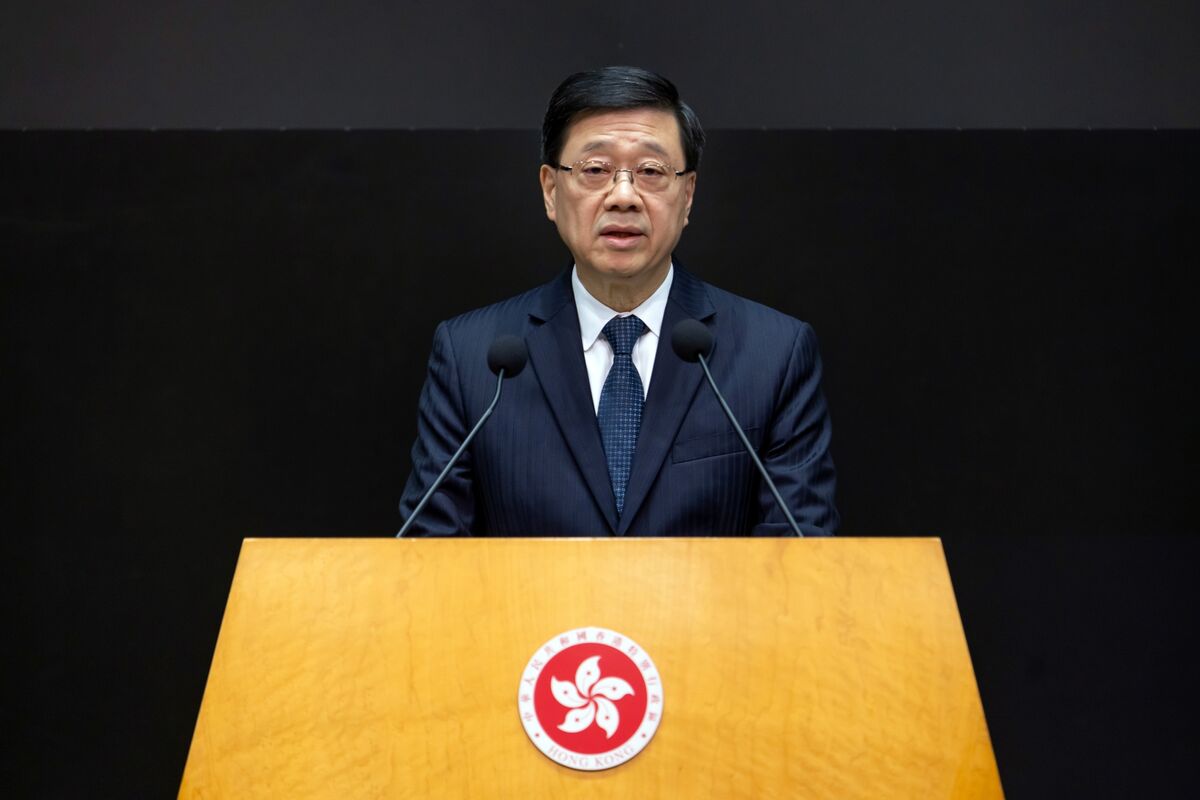
Hong Kong Chief Executive John Lee announced an independent committee, to be led by a judge, will probe the city’s deadliest fire in nearly 80 years that killed at least 151 people and left 30 missing, with findings to be published. The blaze has sparked widespread public anger and calls for accountability, elevating the risk of regulatory scrutiny on building safety and potential reputational and policy exposure for developers and landlords, which could weigh on investor sentiment in Hong Kong real estate and related markets.
Market-structure: The immediate losers are Hong Kong residential landlords, large developers and any firms with concentrated exposure to older public-housing estates (likely to be required to fund retrofits or face lawsuits); expect developers’ near-term free-cash-flow to be hit by incremental capex and liability provisions of ~3–7% of NAV over 12–24 months. Winners are safety-equipment suppliers, structural contractors and legal/claims advisers who will see multi-quarter revenue bumps; pricing power shifts toward contractors able to deliver retrofit work quickly, tightening margins for opportunistic redevelopers. Cross-asset: expect HK equities (HSI) downside of 3–8% on risk-off, widening of China/HK property dollar bond spreads by 100–300bp, modest CNH weakness versus USD and compression in domestic bank AT1 spreads if contagion fears rise.
Risk assessment: Tail risks include a systemic developer default that forces banks to increase loan-loss provisions (>50–100bp CET1 impact for exposed lenders) or a political escalation that triggers capital controls or rating actions; probability low but impact material over 6–18 months. Timeline: immediate (days) – panic and knee-jerk selling; short-term (weeks–3 months) – probe, early regulatory measures and bond-rating reviews; long-term (6–36 months) – mandated retrofits, higher building-standards capex and slower transaction volumes. Hidden dependencies: mainland funding lines to HK developers, bank covenant triggers on dollar bonds, and insurer/reinsurer secondary liability exposure; catalysts include probe interim reports, court judgements, and credit-rating downgrades.
Trade implications: Direct plays: short large-cap HK developers (e.g., 0016.HK, 0012.HK, 0017.HK) to capture expected 10–25% downside over 3–6 months as provisions are taken; hedge with 1–3 month HSI put options (5% OTM) sized to cap portfolio drawdown at 2–3%. Pair trade: short a basket of developers vs long HSBC (0005.HK) 1–3% notional to play flight-to-quality within HK financials; consider buying protection on senior and high-yield China/HK property bonds if spreads breach +500bp. Sector rotation: favor construction/retrofit contractors and legal-services equities; reduce cyclical retail and developer exposures until probe findings (likely within 90 days) are public.
Contrarian angles: Consensus may over-discount the government’s desire to stabilise markets — if the probe’s judge-led approach yields measured reforms, developers with strong balance sheets could re-rate within 6–12 months; selectively buying stressed bonds trading <60 cents with maturities >12 months could produce 20–40% IRR if restructures are benign. The market may be over-pricing systemic contagion — historical parallels (localized building disasters) led to regulatory tightening but not systemic collapses; however, heavy-handed remediation could suppress transaction volumes and bank earnings for multiple quarters, so size positions small and use event-driven triggers (probe interim reports, rating actions) to scale.
AI-powered research, real-time alerts, and portfolio analytics for institutional investors.
Request DemoOverall Sentiment
moderately negative
Sentiment Score
-0.50
