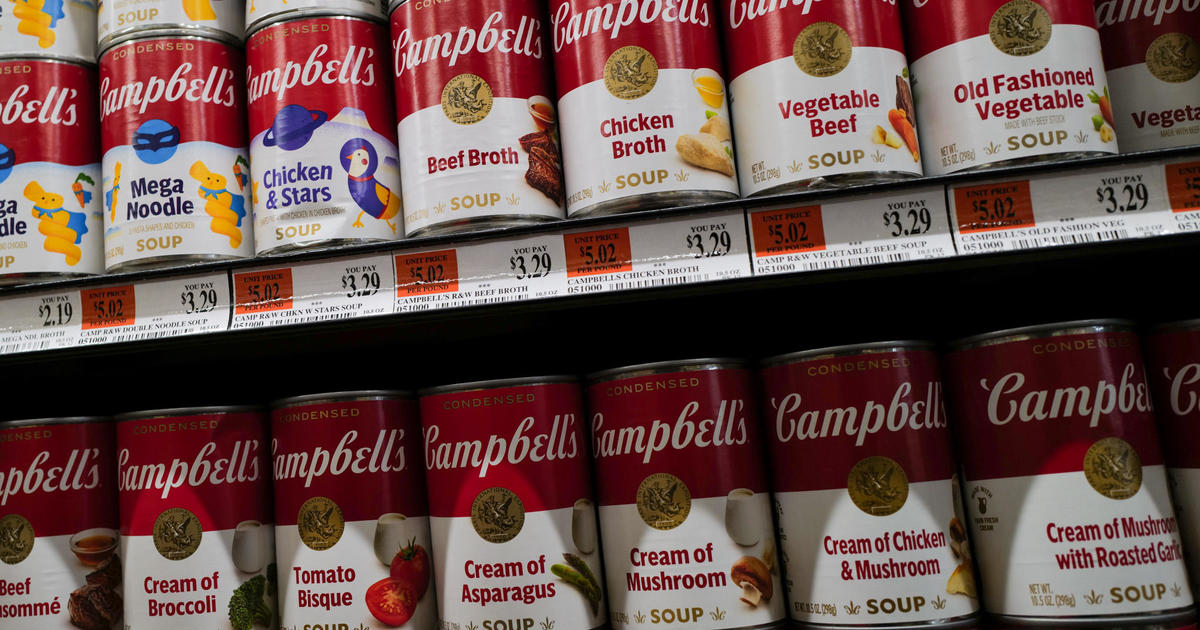
Campbell's confirmed that Martin Bally, a vice president in information technology, is no longer employed after the company authenticated a recording in which he allegedly made disparaging remarks about Indian workers and described the company's products as for "poor people." The remarks were revealed in a lawsuit filed by Robert Garza, a cybersecurity analyst hired in September 2024, who says the comments occurred during a November 2024 salary meeting, that he reported them in January and was subsequently terminated; he is seeking damages for emotional, reputational and economic harm and attorneys' fees. Campbell's issued an apology, called the comments inconsistent with its values and said it first heard portions of the audio on Nov. 20, noting Garza did not notify the company about the recording's existence.
Market structure: This is a reputational shock to Campbell Soup (CPB) that should depress sales modestly near-term (0–2% volume risk over next quarter) and transfer a small share to peers with cleaner governance (KHC, GIS). Pricing power for shelf-stable soup is intact so channel margin erosion is likely limited; expect equity to gap -1% to -4% on headline risk and implied volatility in CPB options to rise 20–40% in the next 2–6 weeks. Cross-asset effects are limited but CPB bond spreads could widen 10–30bps if litigation escalates; commodities and FX are immaterial.
Risk assessment: Tail events include a class-action or multi-jurisdictional employment suit with settlement/awards >$50–200M (material to earnings) or a wider governance probe leading to C-suite churn; probability low but binary. Timeline: immediate (days) for sentiment and IV spikes, short-term (weeks–months) for legal filings and HR investigations, long-term (quarters) for brand recovery or sustained share loss. Hidden risks: the fired cybersecurity analyst and an IT VP exit create second-order operational/cybersecurity exposure and attrition in India-based teams that could impact digital projects.
Trade implications: Tactical direct play is to hedge/short CPB sized conservatively (1–2% portfolio) or buy defined-risk put spreads for 2–3 month expiries; pair long KHC or GIS vs short CPB to capture potential 200–400bps relative rotation over 3–6 months. If IV spikes >25% and CPB drops >5% intraday, scale into put spreads (3-month 10%/5% OTM) to keep cost defined; rotate proceeds into higher-ESG/stable-margin staples (KHC, GIS) or XLP overweight.
Contrarian angles: Consensus underestimates staples’ resilience — historical CEO comments/scandals at branded food firms typically cause a 5–15% one-off hit with recovery inside 6–12 months absent product safety issues. If CPB falls >7–10% or bond spreads widen >30bps, that may be a buying opportunity: activist/governance remediation could improve long-term ROIC. The obvious short can be overdone; cap exposure and use defined-risk option structures.
AI-powered research, real-time alerts, and portfolio analytics for institutional investors.
Request DemoOverall Sentiment
moderately negative
Sentiment Score
-0.35
