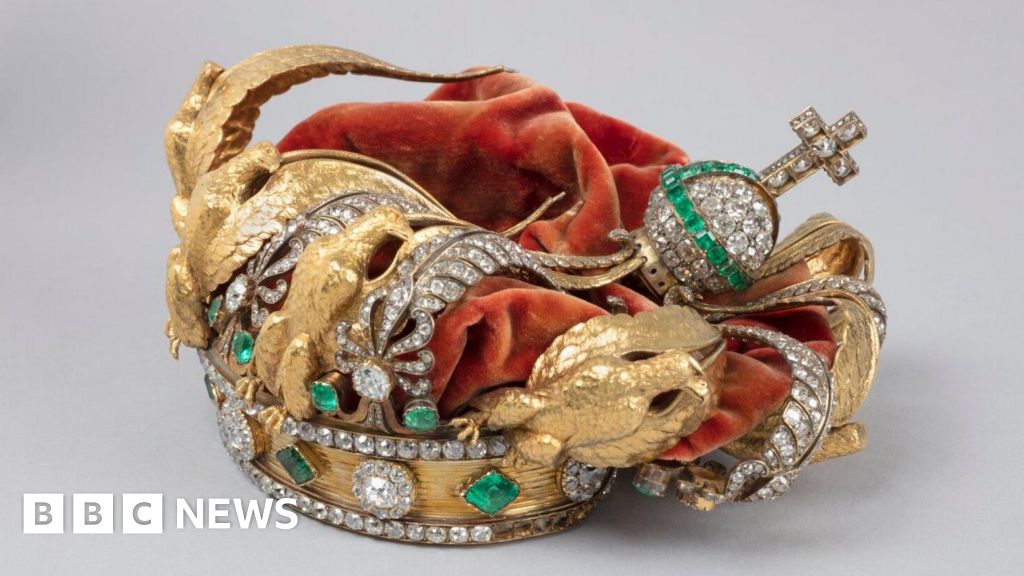
Thieves stole an estimated €88 million of jewellery from the Louvre on 19 October using a vehicle-mounted lift and were inside the Galerie d'Apollon for under four minutes; four male suspects have been arrested but the alleged mastermind remains at large. The crown of Empress Eugenie was dropped and left badly deformed but is "nearly intact," retaining 56 emeralds and all but 10 of its 1,354 diamonds and will be restored under a committee led by museum president Laurence des Cars. Seven other high-value items, including a diamond-studded tiara and various necklaces, earrings and brooches, remain missing, raising security, reputational and potential insurance considerations for the museum and stakeholders.
Market structure: The immediate winners are specialty art insurers and private security integrators who can reprice contracts for museums/galleries; expect commercial security providers to push 5–20% higher service rates for high-risk cultural sites over the next 6–18 months. Luxury houses and auction channels face reputational and operational risk (temporary drop in high-end in-museum displays) but limited sales impact; luxury brands with large retail footprints (e.g., LVMH) are largely insulated. Restoration/conservation firms and specialist contractors capture near-term revenue (tens of millions across major European museums) as damaged artifacts are repaired.
Risk assessment: Tail risks include regulatory intervention (mandatory security upgrades funded by the state or museums) imposing €10–50m capex per national institution, legal liabilities against museum management, and copycat raids driving higher insurance losses. Immediate window (days) sees reputational headlines and increased security tendering; short term (weeks–months) is where pricing for insurance/security resets; long term (quarters–years) could show persistent premium inflation and reallocated cultural budgets. Hidden dependencies: reinsurance capacity and government subsidies can blunt insurer upside and transfer cost to taxpayers.
Trade implications: Direct plays favor listed specialty insurers (e.g., CHUBB CB) and physical security integrators (ADT ADT, Securitas alternatives) — expect outsized revenue re-rating in 3–12 months as contracts renew. Use limited-risk options to express view (3–6 month call spreads ATM→+8–12% OTM) rather than outright levered longs; avoid luxury retailers and travel names as direct short candidates absent broader tourism weakness. Catalyst watch: arrests, Ministry of Culture directives, and French budget amendments in next 30–90 days.
Contrarian angle: The market may underprice the structural lift to specialty underwriting margins—historic parallels (Isabella Stewart Gardner 1990) show multi-year security spend cycles and premium repricing. Consensus misses that public funding increases could substitute for private spending, capping upside for security integrators; this creates a paired trade opportunity (long insurers, hedge integrator exposure). Unintended consequence: heavy-handed regulation could concentrate demand with a few large contractors, advantaging global players over local specialists.
AI-powered research, real-time alerts, and portfolio analytics for institutional investors.
Request DemoOverall Sentiment
mildly negative
Sentiment Score
-0.25
