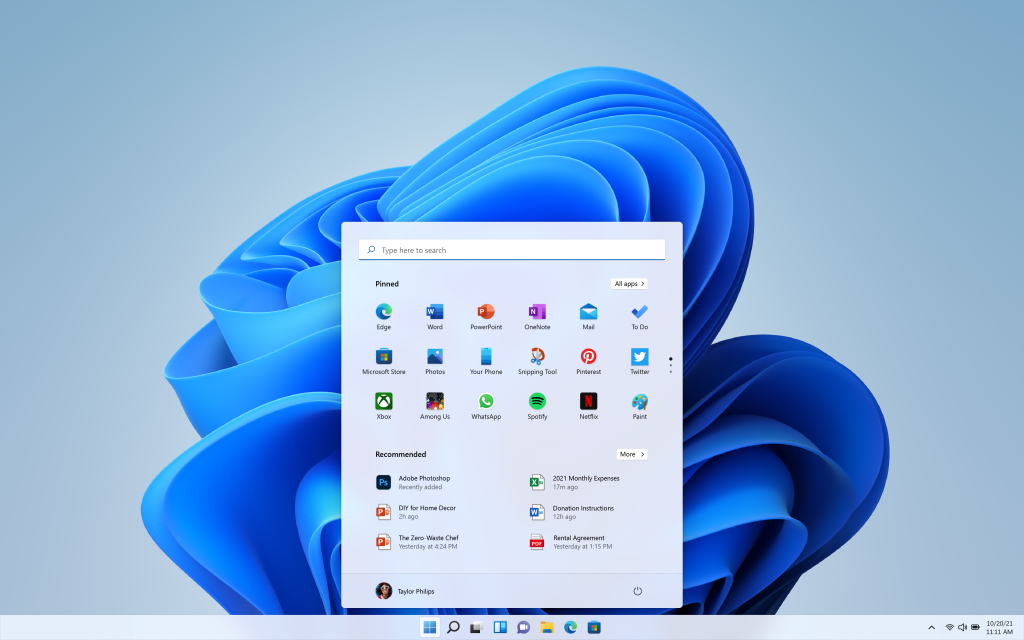
Microsoft has formed a new team led by Rudy Huyn to build "100% native" Windows 11 apps, marking a strategic shift away from PWAs and web-based wrappers. The initiative targets faster startup times, lower memory usage and more consistent UI—improving responsiveness (particularly on older/budget hardware) and complementing planned Windows 11 performance updates in 2026—though no timeline or specific app rebuild list has been provided.
This initiative is less about a front-end UX tweak and more about shifting developer economics and product lifecycles. If Microsoft can credibly move flagship apps off web wrappers, engagement metrics (session length, frequency) could rise by mid-single-digit percentage points within 12–24 months, which compounds into higher Store monetization and enterprise lock-in; expect the real P&L payoff to materialize over 2–4 years as rebuilds complete and cross-sell features (auth, file associations, notifications) are re-enabled natively.
There is a non-obvious cost/benefit friction: rewriting rather than wrapping increases near-term engineering spend and delays feature parity, so expect a 6–18 month window of execution risk and user complaints for each rebuilt app. That timing creates a clear catalyst cadence — hiring/reorg announcements, repo activity on WinUI/.NET, and staged Windows 11 updates — which investors can monitor as binary re-rating points, but market reaction will lag actual endpoint improvements by several quarters.
Second-order supply-chain winners include tooling and middleware that accelerate native builds (WinUI, .NET components, Visual Studio services) and OEMs that can market superior out-of-box performance on low-end hardware; losers include niche businesses that monetise Chromium embedding or Electron-based distribution (their developer roadmap complexity rises). The contrarian risk: management may under-estimate developer inertia and cross-platform requirements, resulting in “native” that still relies on shared web engines in edge cases — if so, the initiative delivers low incremental value relative to cost and will be a multi-quarter earnings headwind rather than a catalyst.
AI-powered research, real-time alerts, and portfolio analytics for institutional investors.
Overall Sentiment
mildly positive
Sentiment Score
0.20
Ticker Sentiment
