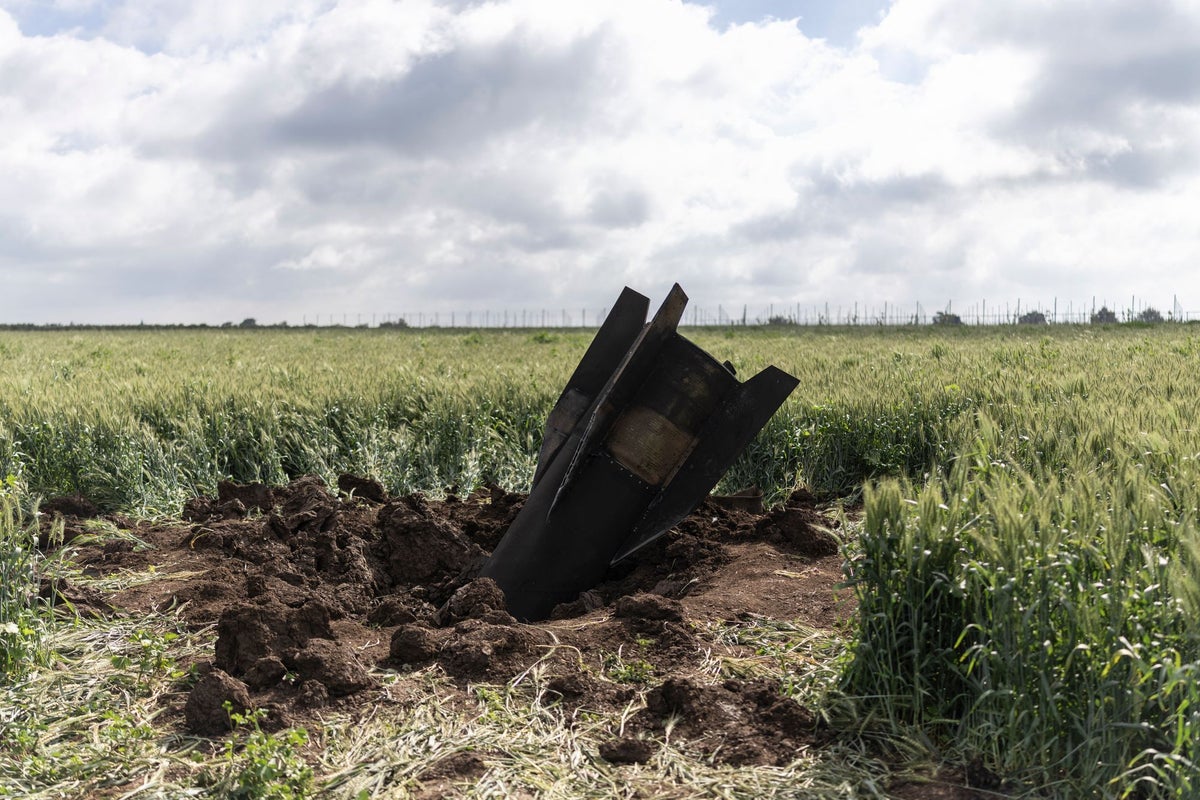
The Pentagon says the Iran war has cost the US $29bn so far, up $4bn from a late-June estimate, while intelligence reports suggest Iran still retains roughly 60%-70% of its missile capability and most of its launch sites. The article argues Trump’s claim of having militarily defeated Iran is contradicted by CIA and NATO-source assessments that Iran’s underground facilities remain largely intact. The news is geopolitically significant and could affect regional risk premia, defense spending expectations, and energy security concerns around the Strait of Hormuz.
The market’s first-order read is that the military campaign failed to create durable deterrence, but the more important second-order effect is regime adaptation: a damaged yet still-functional missile force plus intact command repression raises the odds of a longer, lower-intensity standoff rather than a clean resolution. That favors firms and assets exposed to persistent Red Sea/Gulf of Hormuz risk premia, because shipping insurance and rerouting costs tend to reprice quickly while physical disruption can remain intermittent for quarters.
The biggest near-term beneficiary is not defense primes per se, but energy and security infrastructure names tied to maritime chokepoints, ISR, missile defense, and cyber. If Tehran has preserved launch capacity, then every episode of signaling increases demand for layered air defense, munitions replenishment, and satellite/intelligence coverage; the spend cycle is likely to extend 6-18 months even if headline combat cools. Conversely, the article implies Washington has already sunk large fiscal costs without achieving a strategic knockout, which raises the probability of domestic pressure to de-escalate if energy prices or budget optics worsen.
The contrarian point: the market may be underpricing how little military degradation is needed to preserve Iranian coercive leverage. A force that is only partially intact can still threaten shipping, and that is enough to keep a risk premium embedded in crude, freight, and insurers without requiring a full-scale war escalation. The asymmetric risk is to the upside in volatility, not necessarily in spot prices—meaning options may be the cleaner expression than outright commodity longs.
AI-powered research, real-time alerts, and portfolio analytics for institutional investors.
Request DemoOverall Sentiment
mildly negative
Sentiment Score
-0.35
Ticker Sentiment
