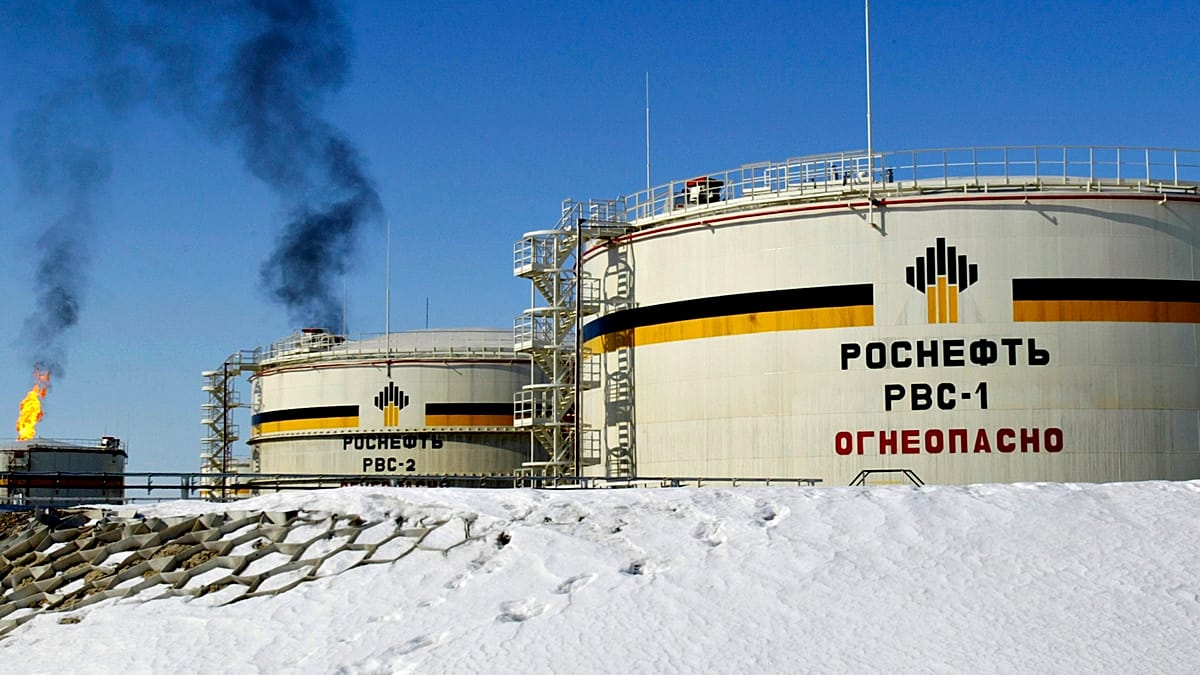
The European Commission is consulting G7 partners on a proposed EU ban on maritime services for vessels carrying Russian crude and refined products—an initiative led by Finland and Sweden that would bar EU firms from providing insurance, shipping or port access and effectively nullify the G7 price cap within EU jurisdiction. The existing dynamic cap followed by the EU/UK/Canada/Japan was recently set at $44.10/bbl (the US retains $60/bbl); a blanket services ban could raise Russia's production costs, tighten supply, and complicate sanction enforcement but requires unanimity among 27 EU capitals and G7 coordination. Brussels aims to adopt a 20th sanctions package by Feb. 24 potentially expanding shadow-fleet blacklists and banning certain metal imports, heightening downside risk and policy-driven volatility in energy and commodity markets.
Market structure: An EU blanket ban on maritime services would immediately transfer economic rents from EU insurers/port services to non‑EU service providers and ship/charter owners; expect tanker time charter rates and war-risk/insurance premia to reprice higher by 20–60% if enforcement tightens. Russian crude (Urals) sales will face higher logistical costs and deeper realized discounts versus Brent — a persistent Urals discount widening >$10–15/bbl would be the key signal of material revenue loss to Moscow.
Risk assessment: Tail risks include a fragmented G7 response (US non‑alignment) leaving the ban legally toothless versus extraterritorial sanctions, or Russian retaliation (cutting exports or disrupting chokepoints) producing >$10/bbl spikes. Immediate (days) effect = volatility in tanker equities and Brent; short term (weeks–months) = higher freight, insurance, PGM and copper dislocations; long term (quarters–years) = permanent rerouting to Asian insurers/flags and accelerated supply‑chain deglobalization.
Trade implications: Buy tanker owners and selective oil majors as a direct play on higher freight and higher oil prices, and buy PGM/copper producers if proposed mineral bans materialize. Use options to asymmetrically express a Brent spike (3‑month call spreads or short-dated straddles for event windows around EU unanimity by Feb 24). Hedge EU insurer/refinery exposure with puts or relative shorts to limit regulatory execution risk.
Contrarian angles: The market may overprice a permanent supply shock; historical sanctions (Iran 2012–15) show rapid adaptation via non‑Western insurers and flags within 3–9 months. Watch for unintended strengthening of Russia–India/China crude channels and a faster reconstitution of a ‘shadow fleet’ which would cap upside; thresholds to watch: Urals discount >$15, Baltic TC index +30%, and tanker insurance premia +25% as triggers to scale trades.
AI-powered research, real-time alerts, and portfolio analytics for institutional investors.
Request DemoOverall Sentiment
moderately negative
Sentiment Score
-0.35
