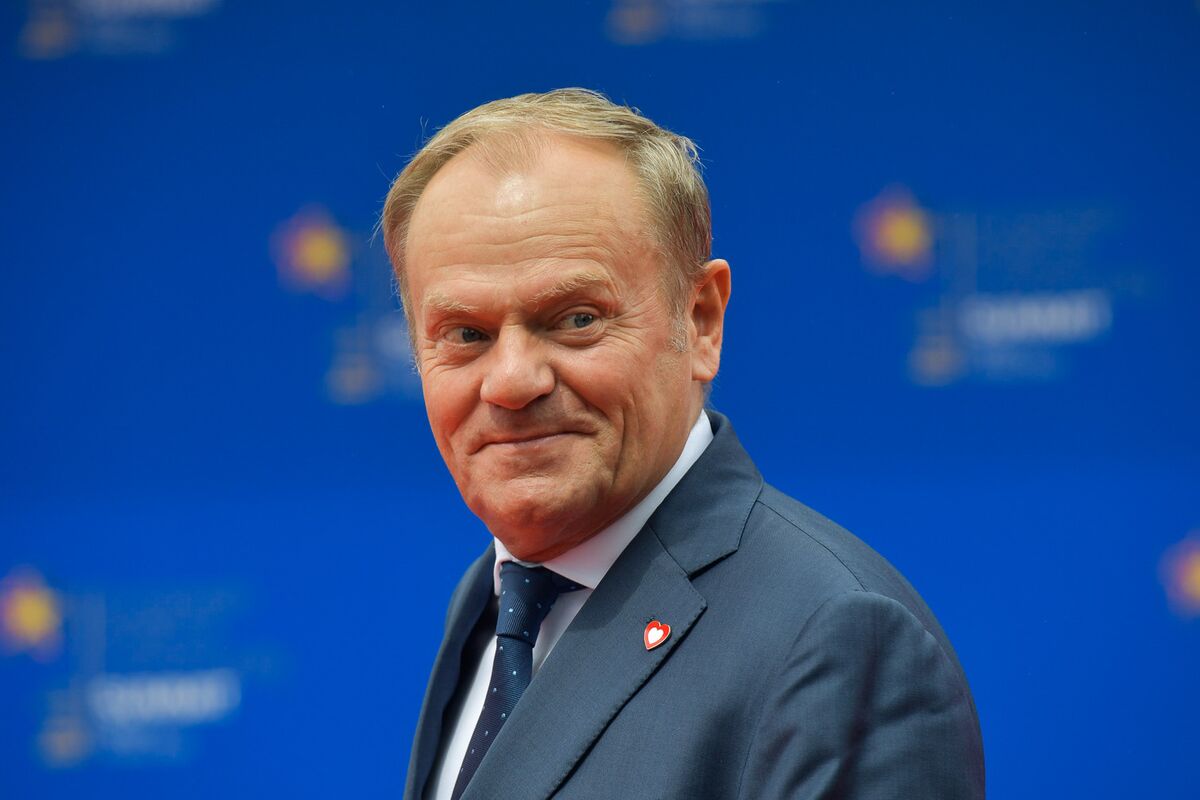
Polish Prime Minister Donald Tusk's authority is weakened following the presidential election defeat of his ally, sparking calls for his resignation from within the ruling coalition. This defeat has exposed growing tensions within Tusk's pro-European alliance, potentially jeopardizing its stability after 19 months in power and raising questions ahead of an upcoming confidence vote.
The Polish political landscape is experiencing significant instability following the defeat of Prime Minister Donald Tusk's ally in a recent presidential election, a development that has tangibly weakened Tusk's authority. This electoral setback, occurring 19 months after his pro-European coalition assumed power and ended eight years of populist rule, has brought to light pre-existing tensions within the governing alliance, leading to calls from some coalition lawmakers for the prime minister's resignation. The timing is particularly sensitive as it precedes an upcoming confidence vote, further amplifying uncertainty. The prevailing "strongly negative" sentiment and "pessimistic" tone associated with these events, along with a market impact score of 0.4, underscore the perceived risk. This internal political turmoil could potentially impede the government's policy execution and negatively influence investor sentiment towards Poland, particularly concerning its commitment to a pro-European agenda and its broader geopolitical stability, as indicated by the "Elections & Domestic Politics" and suggestive "Geopolitics & War" thematic classifications.
AI-powered research, real-time alerts, and portfolio analytics for institutional investors.
Request DemoOverall Sentiment
strongly negative
Sentiment Score
-0.60
