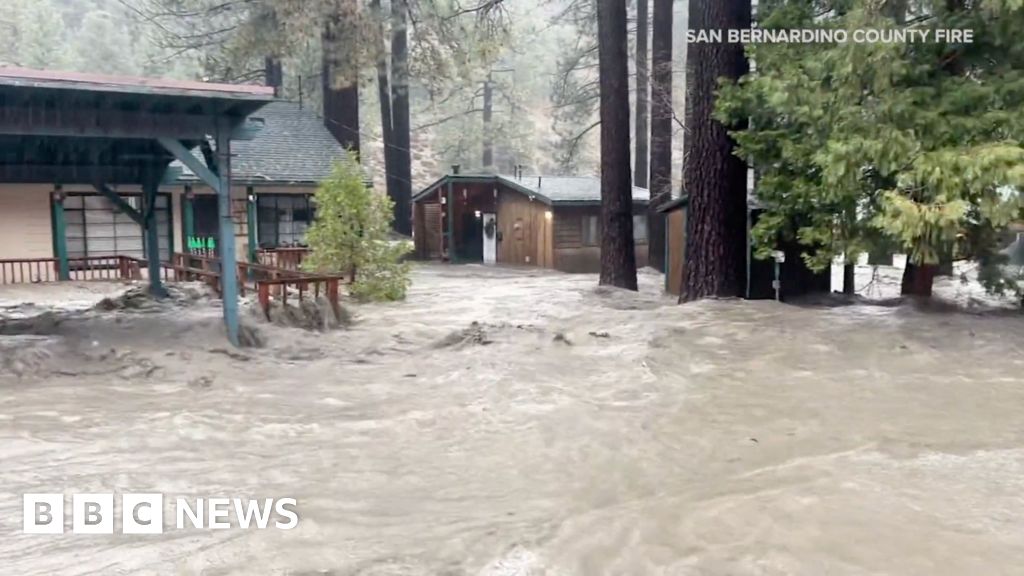
Multiple atmospheric rivers brought heavy rain and high winds to large parts of California during the holiday travel period, producing up to 11 inches (27 cm) of rain in parts of Los Angeles County, flash flooding, mudslides in burn-scarred areas, and wind gusts above 100 mph near San Jose. Emergency declarations were issued by Governor Gavin Newsom and Los Angeles Mayor Karen Bass, about 100,000 customers lost power, major roads were closed, evacuations and rescues were conducted, and three fatalities were reported, creating near-term disruption to regional transportation, utilities and coastal operations and localized exposure for insurers, utilities and travel-related businesses.
Market structure: Near-term winners are construction-materials and heavy-civil contractors (expect 6–18 month boost to aggregate demand) and regulated utilities that get accelerated storm-repair capex; near-term losers are California-focused travel operators, regional logistics/port services and P&C insurers exposed to concentrated coastal/burn-scar losses. Pricing power shifts to large, national materials suppliers (Vulcan/MLM scale advantage) and to reinsurers who can widen spreads; insurers with weak reinsurance cover may announce reserve builds that compress equity. Cross-asset: expect tighter spreads on catastrophe (CAT) bonds, wider short-term credit spreads for regional travel/transport credits, a modest knee-jerk rally in Treasuries and a lift in construction-commodity prices (cement, aggregates) by low-single-digit percent over weeks.
Risk assessment: Tail risks include multi-week atmospheric-river persistence causing major infrastructure damage and a federal/state legal/regulatory push that forces insurers to raise rates or expand mandatory mitigation (6–24 month impact). Immediate risks (days) are travel/logistics disruption; short-term (weeks–months) are insurance claims and supply-chain bottlenecks for materials; long-term (1–3 years) is higher public muni issuance to fund resilience. Hidden dependencies: burn-scar amplification of mudslides, labor shortages driving cost inflation (+5–10% on contractor rates), and reinsurance renewals in Jan–Mar that can reprice capacity. Catalysts: NOAA rainfall forecasts, FEMA federal disaster declarations, and Q4 insurer commentary on reserve builds.
Trade implications: Direct plays include long large-cap materials (VMC, MLM) and overweight regulated utilities; short or hedge near-term travel exposure (AAL/UAL) and buy protection on select P&C insurers ahead of Q1 reserve revisions. Pair trade: long VMC+MLM (2–3% portfolio) vs short AAL/UAL (1–1.5%) for 2–12 week horizon. Options: buy 2–6 week ATM puts on major airlines to capture spike in implied vol from cancellations, and structured put-spreads on Allstate (ALL) March 2025 to hedge insurer tail risk.
Contrarian angles: Consensus will lean defensive on CA assets and insurers, but repair-led demand typically boosts materials/contractors for 12–24 months — this is often underpriced. Historical parallels (2017–2019 atmospheric rivers) show short-lived travel pain but sustained materials upside; therefore avoid selling large-cap materials on headline fear. Unintended consequence: stricter permitting and higher insurance costs can consolidate contractors/suppliers, favoring scale players and widening their margins over time.
AI-powered research, real-time alerts, and portfolio analytics for institutional investors.
Request DemoOverall Sentiment
moderately negative
Sentiment Score
-0.35
