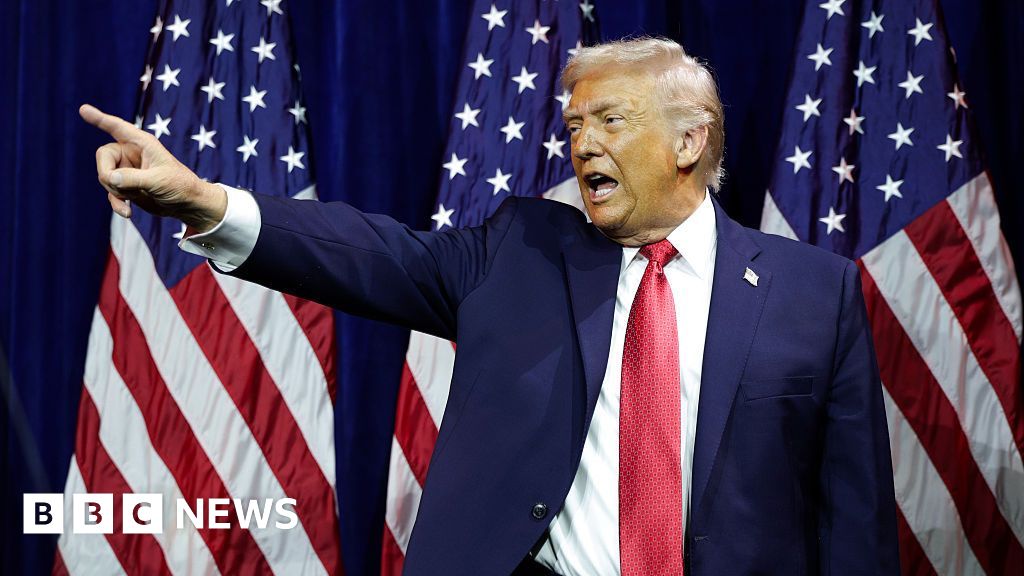
The Trump administration has withdrawn the United States from around 66 international organisations, including UN-related bodies such as the UN Framework Convention on Climate Change and the Intergovernmental Panel on Climate Change, citing they "no longer serve American interests." The move ends US funding and participation in multiple climate, clean-energy and governance bodies, risks delaying upcoming IPCC reports and climate-mitigation guidance, and introduces legal and policy uncertainty over treaty withdrawal and potential reversal—factors that could weigh on ESG-focused investment flows, multilateral climate finance and international energy cooperation.
Market structure: The immediate beneficiaries are incumbent hydrocarbon producers and services (sector XLE — e.g., XOM, CVX, SLB) as short-term policy risk to fossil fuels recedes, while pure-play clean-energy equities and carbon market-linked instruments (TAN, ICLN, EU ETS-linked exposures) face revenue and demand headwinds. Competitive dynamics will favour vertically integrated majors with cashflows to sustain buybacks/capex; independent developers reliant on federal incentives may see financing costs rise 100–300bps in the near term if green bond issuance from US agencies drops. Supply/demand: expect modest upward pressure on oil/gas prices (WTI shock +$2–$6/bbl probability within 3–6 months) and lower near-term voluntary carbon demand, tightening for legacy hydrocarbons and loosening for regulated carbon instruments.
Risk assessment: Tail risks include EU–US trade friction (EU CBAM escalation) triggering tariffs that could knock 3–8% off US export margins in affected industries, and legal/constitutional challenges that could create policy whiplash within 12–18 months. Time horizons split: immediate (days–weeks) for risk repricing and volatility, short-term (3–12 months) for funding redirects and project delays, long-term (2–5 years) for technology adoption shifts and supply-chain realignment. Hidden dependencies: passive ESG flows (>$200bn in AUM reallocation risk), state-level procurement backstops, and corporate net-zero commitments that can blunt federal withdrawal effects.
Trade implications: Tactical winners: energy majors and oil service names for 3–12 month alpha; tactical losers: pure-play solar, storage and clean-tech developers over same window. Prefer relative-value trades (long XOM/CVX vs short TAN/FSLR), use options to express conviction (3–6 month call spreads on majors, protective put spreads on clean-tech ETFs) and rotate 2–4% of risk budget from broad ESG thematic funds into energy/value over 4–12 weeks. Key catalysts to watch: court rulings (30–90 days), upcoming COP/UN meetings, EU CBAM implementation schedule (phased through 2026) and quarterlies where guidance changes.
Contrarian: Consensus underestimates state and corporate countermeasures — US states, corporations and investors may accelerate private procurement, limiting downside for clean names; a reversion scenario (administration change or litigation) could restore 20–50% of lost valuation in 12–36 months. Markets may overshoot in punishing clean-tech near-term; selectively buy long-dated exposure to high-quality battery/EV supply-chain names (e.g., LITHIUM miners, battery cathode producers) at depressed multiples as a hedge against policy reversal. Unintended consequence: greater opportunity for Chinese cleantech to capture market share — monitor import/anti-dumping actions as potential secondary trade risk.
AI-powered research, real-time alerts, and portfolio analytics for institutional investors.
Request DemoOverall Sentiment
moderately negative
Sentiment Score
-0.50
