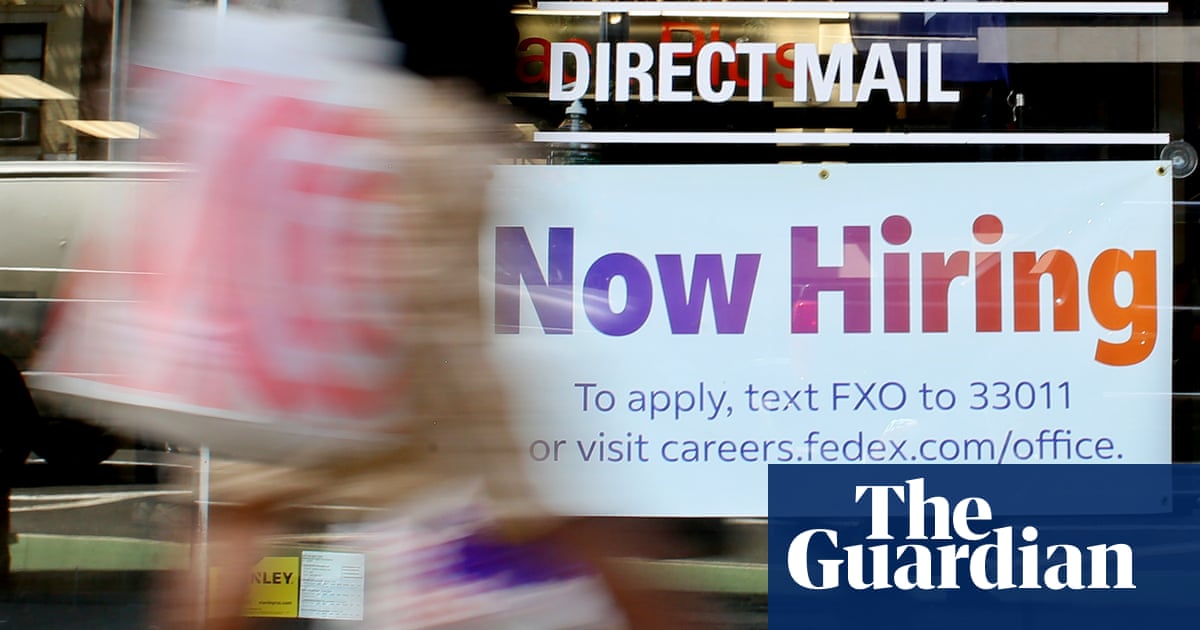
The US economy added 119,000 jobs in September, well above the 51,000 consensus, while the unemployment rate rose to 4.4%—its highest level since 2021; however, the BLS revised July payrolls down to +72,000 and August to a 4,000-job decline (from +22,000), signaling recent labor-market softening. The report was delayed six weeks by the federal government shutdown and the BLS said official October payrolls will be released with November data in mid-December. Equity markets rallied on the print and strong Nvidia results (S&P +1.7%, Nasdaq +2.1%), and the data has reinforced expectations that the Federal Reserve is likely to leave rates on hold; ADP’s private reports showed a -29,000 reading for September and +42,000 for October. Political controversy over the delayed release has also emerged, with criticism of the administration for withholding October’s official data.
The US labor market added 119,000 jobs in September, well above the 51,000 consensus, while the unemployment rate rose to 4.4%, its highest level since 2021. BLS revisions cut July payrolls to +72,000 from +79,000 and turned August into a 4,000-job decline versus a prior +22,000, signaling recent softening beneath the headline beat.
The September report was delayed six weeks by the federal shutdown and the BLS said October payrolls will be released with November data in mid-December, creating a prolonged official data gap; ADP’s private series showed a -29,000 read for September and +42,000 for October. Equities rallied on the release and strong Nvidia results (S&P +1.7%, Nasdaq +2.1%), and market commentary and Oxford Economics now lean toward the Federal Reserve keeping rates on hold.
The combination of a headline beat, rising unemployment and downward revisions points to cooling underlying labor demand and greater downside risk to growth momentum. The data-delay and political controversy over the timing of releases increase uncertainty around policy decisions and raise the likelihood of renewed volatility when the combined October/November prints arrive in mid-December.
AI-powered research, real-time alerts, and portfolio analytics for institutional investors.
Request DemoOverall Sentiment
mixed
Sentiment Score
-0.05
Ticker Sentiment
