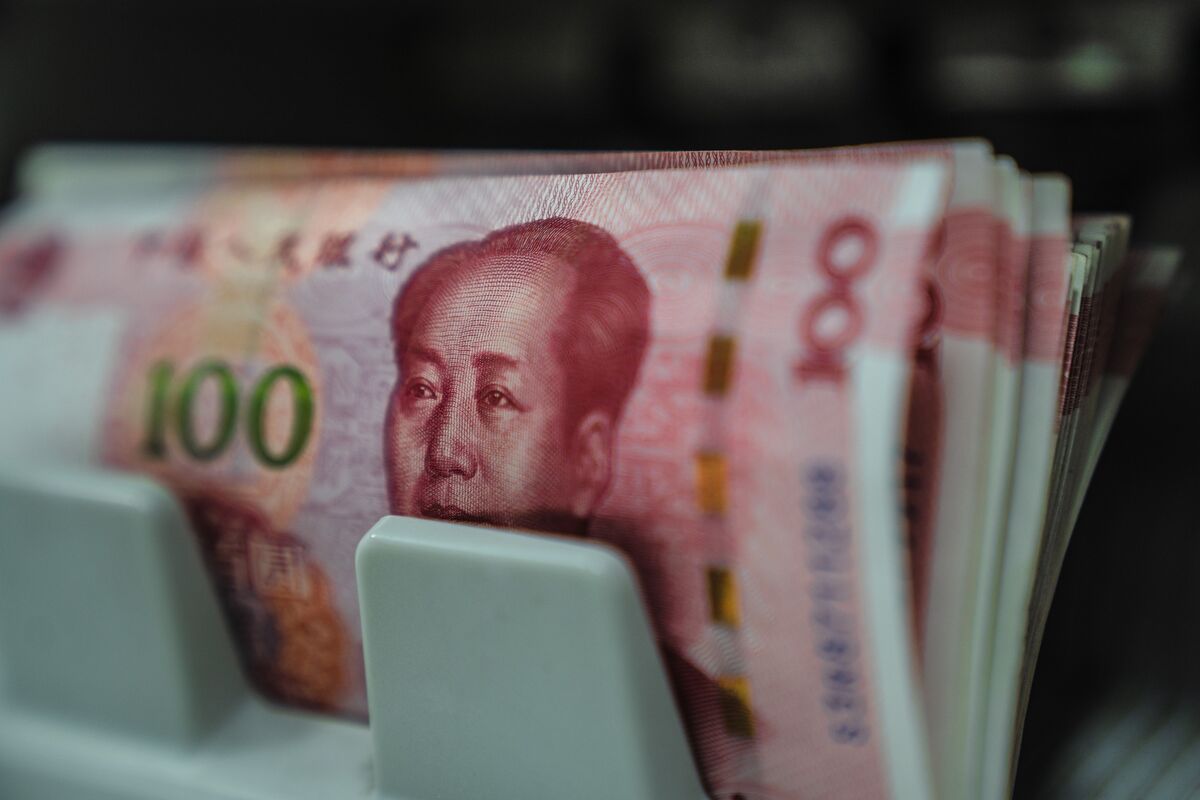
The International Monetary Fund (IMF) has cautioned about emerging currency risks for nations like Kenya and Ethiopia, which are converting their dollar-denominated loans from China into yuan to mitigate debt servicing costs. While acknowledging this as a proactive debt management strategy, the IMF emphasized that countries must ensure such currency swaps do not inadvertently introduce new financial vulnerabilities.
The International Monetary Fund (IMF) has issued a cautionary statement regarding currency risks for emerging market nations, specifically citing Kenya and Ethiopia, which are converting dollar-denominated loans from China into yuan. This strategy, aimed at mitigating debt servicing costs, is recognized by the IMF as a proactive debt management approach.
Despite the immediate benefit of potentially lower debt costs, the IMF emphasizes the critical need for these countries to ensure such currency swaps do not inadvertently introduce new financial vulnerabilities. The shift from a globally dominant reserve currency (USD) to a less liquid, albeit increasingly international, currency (CNY) introduces exposure to yuan-specific exchange rate fluctuations and potential liquidity challenges in future debt servicing.
This development highlights the evolving landscape of sovereign debt in emerging markets, where nations are exploring alternative financing and debt management strategies amidst global economic pressures. The "mildly negative" sentiment and "cautious" tone from the IMF underscore the potential for systemic risk if not managed prudently, particularly for countries already facing high debt burdens.
AI-powered research, real-time alerts, and portfolio analytics for institutional investors.
Request DemoOverall Sentiment
mildly negative
Sentiment Score
-0.40
