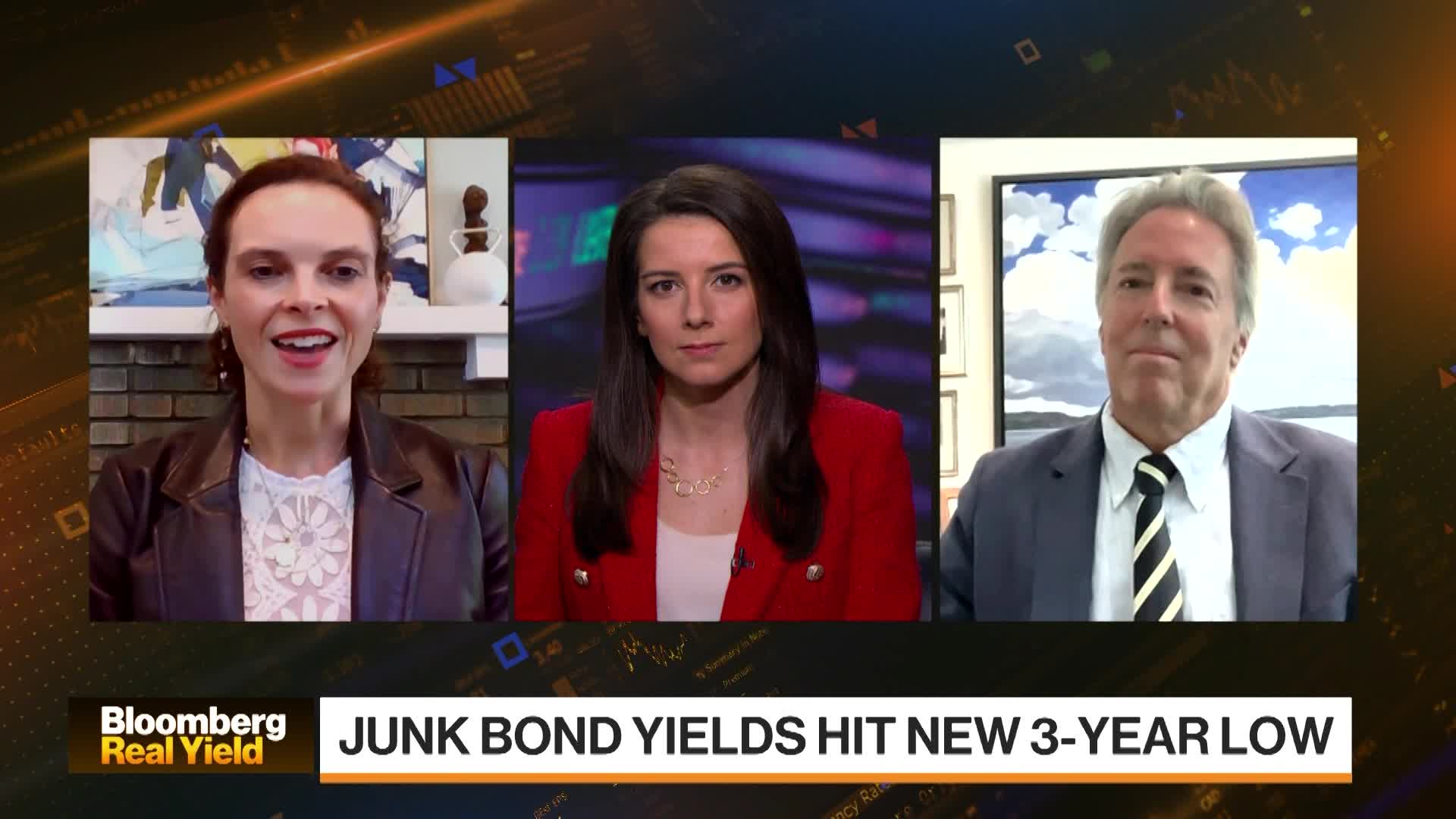
Discussions on Bloomberg Real Yield highlight a challenging economic environment where inflation has stalled, creating a conflict for the Federal Reserve's dual mandate and prompting analysis of the labor and bond markets, alongside potential rate cuts. This backdrop is further shaped by Fed Chair Powell's recent dovish tone, which is credited with easing market tension.
Recent market discourse, centered on a Bloomberg Real Yield segment, indicates the Federal Reserve is navigating a conflict within its dual mandate as inflation has reportedly stalled. Despite this persistent inflation, Fed Chair Powell has communicated a dovish tone, which has been credited with easing market tension. This suggests a potential policy pivot towards prioritizing economic and labor market stability over a strictly data-dependent, hawkish stance. The resulting market sentiment is moderately positive, reflecting an investor focus on the likelihood of impending rate cuts rather than the underlying inflation problem. The core debate now revolves around the trajectory of the bond and labor markets in an environment where monetary policy appears to be proactively easing.
AI-powered research, real-time alerts, and portfolio analytics for institutional investors.
Request DemoOverall Sentiment
moderately positive
Sentiment Score
0.50
