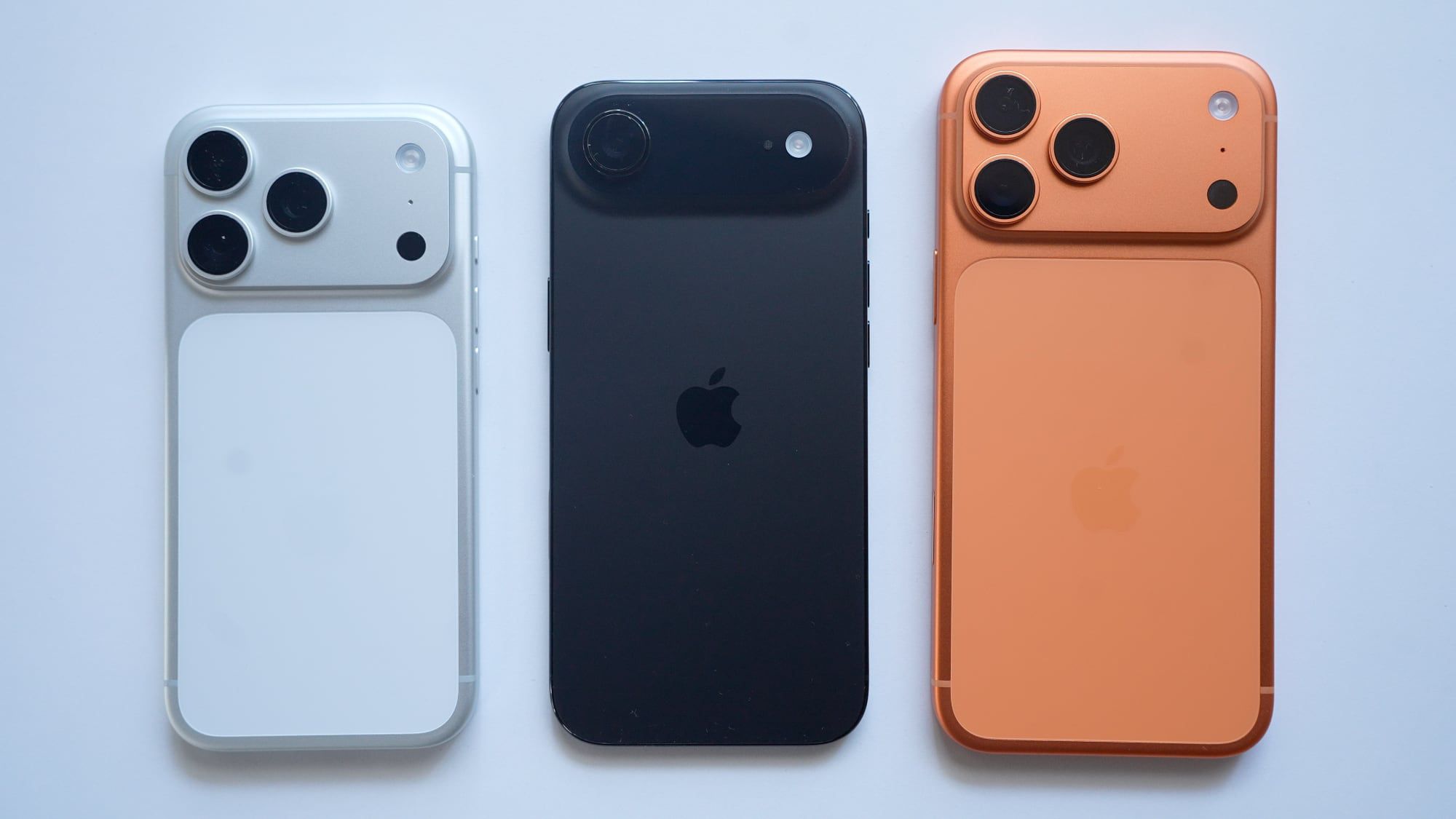
Apple is reportedly evaluating liquid metal or an improved titanium alloy for future iPhones to improve weight-to-heat dissipation tradeoffs and address overheating and foldable-device durability issues. The first foldable iPhone is said to use both materials, but mass production at scale may be difficult and iPhone 18 Pro materials are already locked in. The article is largely speculative and indicates longer-term product-design experimentation rather than an immediate financial catalyst.
This is less about materials aesthetics and more about Apple signaling that thermal management is now a primary design constraint for higher-density device roadmaps. The second-order implication is that any future chassis change is really a proxy for how aggressively Apple can raise compute, battery density, and enclosure sealing without throttling or user-visible heat complaints. That creates a multi-year product lever: better heat dissipation expands the ceiling for on-device AI workloads, camera processing, and potentially faster charging, which matters more for perceived upgrade quality than a marginal weight delta.
The supply-chain winner is likely not the material itself but the vendors that can industrialize exotic alloys and die-casting at very high yields. If Apple truly needs a foldable-grade thermal/mechanical solution, that increases qualification value for specialty metallurgical suppliers, precision casting equipment, and manufacturing partners with low-defect process control. The risk is that these materials are still low-visibility, long-lead, and yield-sensitive; even if the design is chosen, gross margin can be pressured for several product cycles if Apple has to absorb learning-curve costs or accept lower launch volumes.
From a stock perspective, this is mildly positive for AAPL only insofar as it supports a richer hardware roadmap and reduces the chance of thermal-related reputation damage. The market may be underpricing the option value of foldable/next-gen chassis changes because the catalyst is not a single launch, but a sequence of engineering decisions that can unlock a step-up in device ASPs and upgrade urgency over 12-24 months. The contrarian angle is that material innovation alone does not fix demand; if the consumer upgrade cycle stays weak, better heat dissipation becomes an enabler rather than a driver, so near-term upside to the shares should remain capped unless paired with a stronger AI feature set.
AI-powered research, real-time alerts, and portfolio analytics for institutional investors.
Request DemoOverall Sentiment
neutral
Sentiment Score
0.05
Ticker Sentiment
