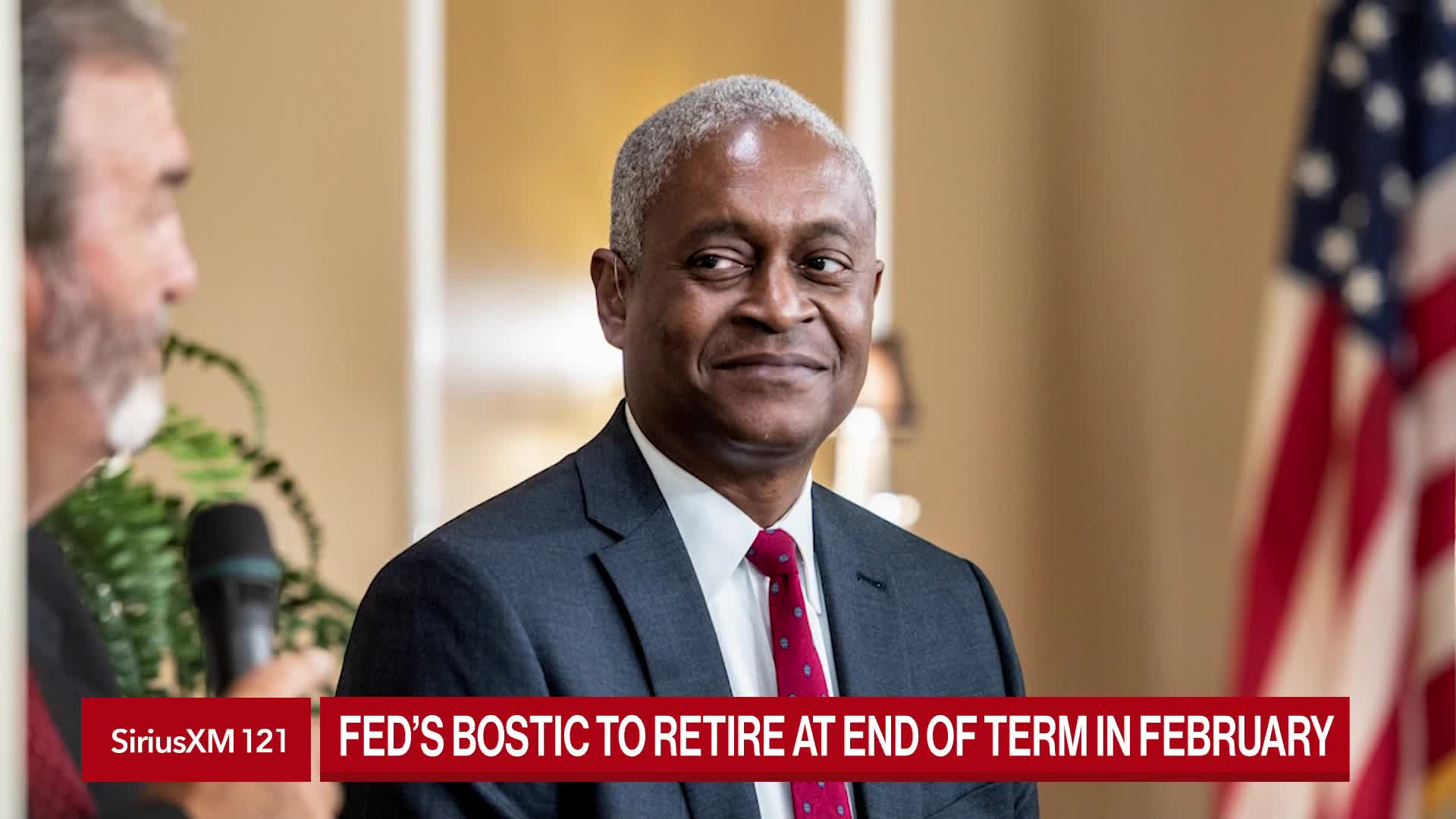
Raphael Bostic, President of the Federal Reserve Bank of Atlanta, unexpectedly announced his retirement effective February, signaling an upcoming leadership transition at a key regional Fed bank. This departure will open a significant position within the Federal Reserve system.
Raphael Bostic, President of the Federal Reserve Bank of Atlanta, has unexpectedly announced his retirement, effective February, marking a significant upcoming leadership transition within the Federal Reserve System. This departure opens a key position that influences monetary policy discussions and regional economic insights. The unexpected nature of the move suggests potential internal considerations, though the article does not elaborate further.
The market's immediate reaction, as indicated by a neutral sentiment score and a low market impact score of 0.25, suggests that investors are not currently anticipating a significant shift in overall monetary policy or economic outlook due to this personnel change alone. This implies a degree of stability in broader Fed policy expectations despite the leadership transition.
However, the appointment of a successor will be closely watched, as the new president will bring their own economic perspectives and potentially influence the Federal Open Market Committee's (FOMC) deliberations. The themes of 'Monetary Policy,' 'Banking & Liquidity,' and 'Management & Governance' are directly implicated by this development, highlighting its systemic relevance.
AI-powered research, real-time alerts, and portfolio analytics for institutional investors.
Request DemoOverall Sentiment
neutral
Sentiment Score
0.00
