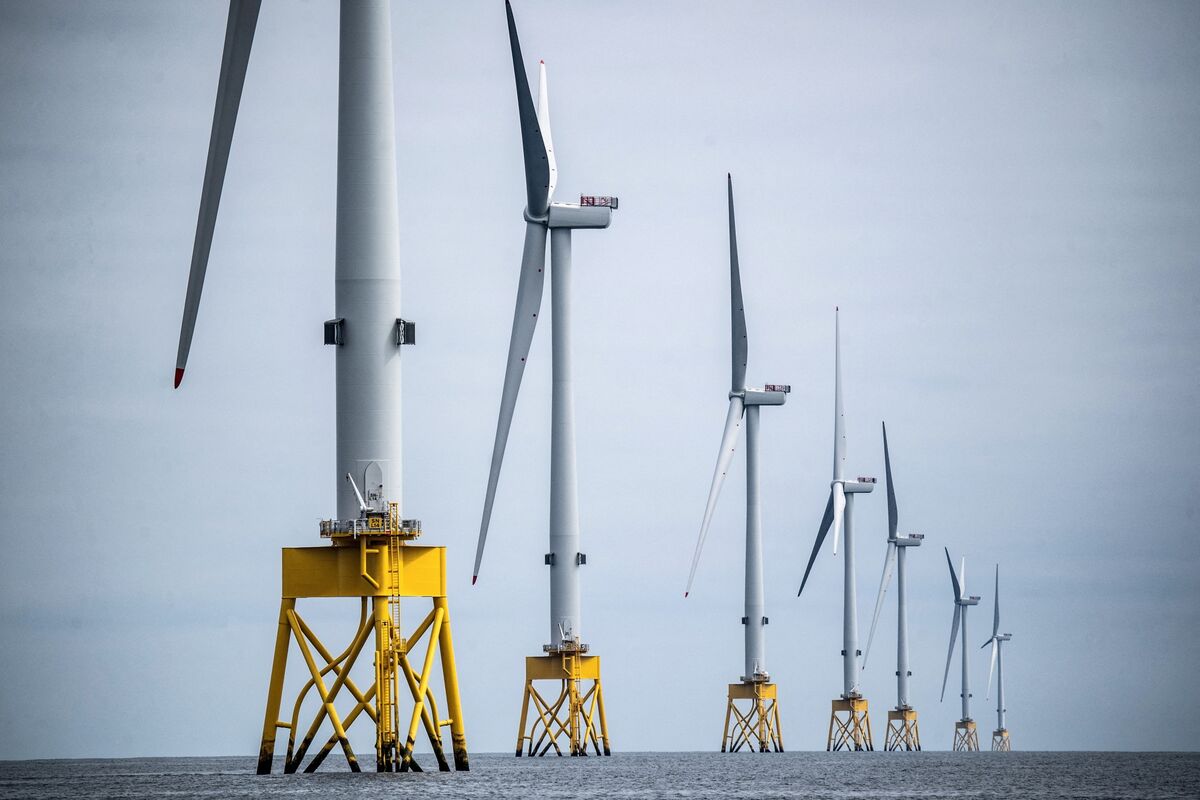
SSE Plc has earned £45 million from curtailment payments after Britain’s system operator ordered Scottish wind farms offline when high winds produced more power than the aging grid could accept, substituting generation with English gas-fired plants. The receipts represent a growing, though volatile, revenue stream for SSE while highlighting grid constraints and added costs for consumers, with potential implications for future earnings volatility and regulatory scrutiny around network upgrades and market arrangements.
Market structure: Curtailment payments (SSE reported ~£45m) show intermittent supply (wind) > transmission capacity, creating a temporary revenue stream for vertically integrated generators (SSE.L) and flexible gas peakers while imposing higher balancing costs on consumers and retailers. Expect frequency of constraint events to climb in windy months (Nov–Mar, and storm windows) until incremental grid reinforcement or storage is installed; this gives short-term pricing power to firms that can both produce and participate in balancing markets.
Risk assessment: Tail risks include regulatory intervention capping curtailment payments or reworking imbalance settlement (consumer backlash could force a change within 3–6 months), severe weather damaging assets, or rapid battery deployment (2–5 year horizon) eroding this revenue. Hidden dependencies: interconnector flows, wind-forecast errors and carbon/gas price spikes that can swing who gets paid to run; catalysts are Ofgem/BEIS announcements on transmission capex and capacity-market tweaks (watch next 30–90 days).
Trade implications: Near-term winners: SSE.L and listed transmission/infrastructure (NG.L) but these are conditional — revenues will compress as storage scales. Tactical trades should capture 3–12 month curtailment upside while hedging regulatory risk; longer-term rotate into grid upgrade and storage builders as capex visibility improves (12–36 months).
Contrarian angle: The market may overvalue one-off curtailment receipts as sustainable EBITDA; historically (e.g., ERCOT episodes) short-term balancing profits reversed once storage/interconnectors scaled. That implies a short-duration, event-driven approach on generators and a long-duration play on regulated networks and storage developers that will monetize reduced curtailment over years.
AI-powered research, real-time alerts, and portfolio analytics for institutional investors.
Request DemoOverall Sentiment
mildly positive
Sentiment Score
0.25
