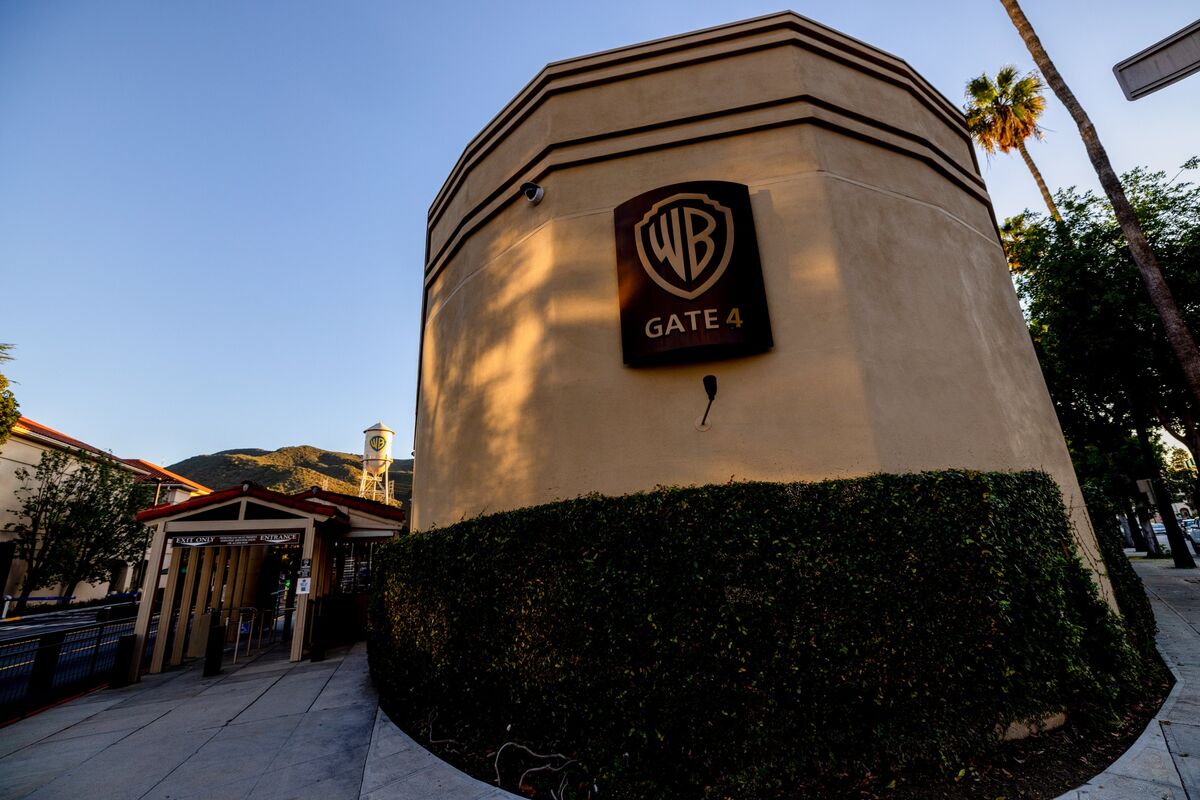
Wall Street banks launched a loan sale for Warner Bros. Discovery tied to refinancing a temporary credit facility, consisting of a $5 billion U.S. dollar loan and a €1 billion loan. JPMorgan Chase is leading the deal, with a lender call scheduled for Wednesday. The transaction is routine financing activity but relevant for Warner Bros. Discovery’s capital structure and broader leveraged loan markets.
This is less a media-credit story than a near-term liquidity normalization event. A syndication that clears cleanly would compress the “bridge-to-term” discount that has been hanging over WBD’s capital structure and reduce the probability of punitive refinancing terms in the next 6-12 months. The more important read-through is for banks: JPM is monetizing distribution ability in a market where underwritten loan risk can still be warehoused, so success here reinforces the value of balance-sheet-plus-distribution platforms over pure advisory franchises.
The second-order risk sits with loan buyers, not the issuer. If demand is weak, the loan could price wider than expected, leaving a mark-to-market overhang for CLOs and loan funds and widening spreads for similar media/levered-capital-structure names. That matters because WBD is a bellwether for how lenders view asset-light media cash flows in a higher-for-longer rate regime; a sloppy book would spill into refinancing assumptions for adjacent entertainment and telecom credits over the next quarter.
For JPM, the near-term P&L impact is small, but the signal matters: stronger execution in large syndicated loans supports fee durability and can help offset slower IB activity. The contrarian view is that the market may underappreciate how much this deal tests risk appetite in the leveraged loan market — if the book is robust, it argues for a tighter credit window and a mild bid for select financials; if not, the path of least resistance is wider spreads and more cautious primary issuance for several months.
Catalyst timing is immediate: lender call / initial book indications over the next 1-3 days will reveal whether demand is real or reliant on price concessions. The main reversal would be broad spread widening or weak secondary loan performance, which would likely reprice the refinance and force lenders to retain more paper.
AI-powered research, real-time alerts, and portfolio analytics for institutional investors.
Request DemoOverall Sentiment
neutral
Sentiment Score
0.05
Ticker Sentiment
