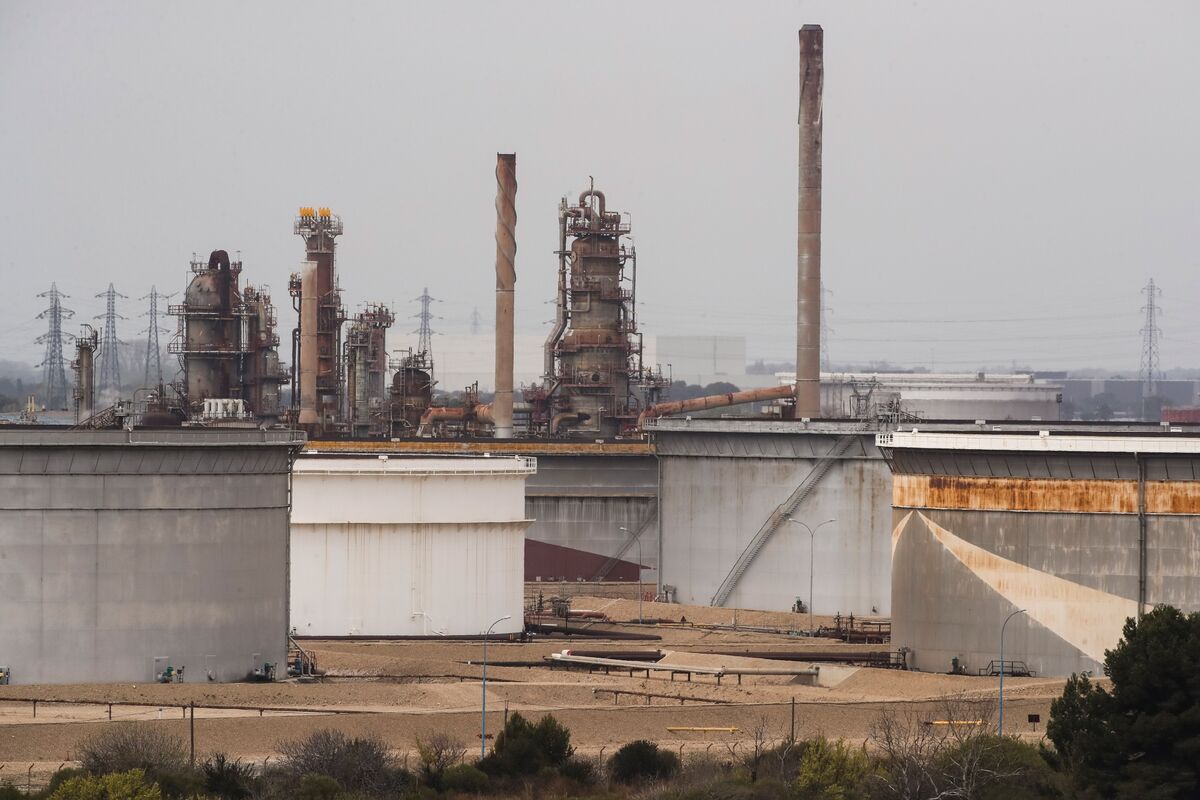
French industrial production unexpectedly declined by 0.7% in August, defying economists' forecasts for a 0.3% expansion, with manufacturing output also falling 0.7%. This downturn signals increasing sluggishness in France, the euro area's second-largest economy, amidst heightened political and fiscal uncertainty impacting businesses and households.
French industrial production registered an unexpected and significant contraction of 0.7% in August, starkly contrasting with economist expectations for a 0.3% expansion. This downturn was broad-based, with the narrower measure of manufacturing output also declining by an identical 0.7%. The data serves as a clear indicator of growing economic sluggishness in the euro area's second-largest economy. The decline is directly attributed to heightened political and fiscal uncertainty, which is evidently impacting business and household activity more severely than anticipated. The strongly negative sentiment signal underscores the market's surprise and concern regarding this development, suggesting a deterioration in the near-term economic outlook for France.
AI-powered research, real-time alerts, and portfolio analytics for institutional investors.
Request DemoOverall Sentiment
strongly negative
Sentiment Score
-0.60
