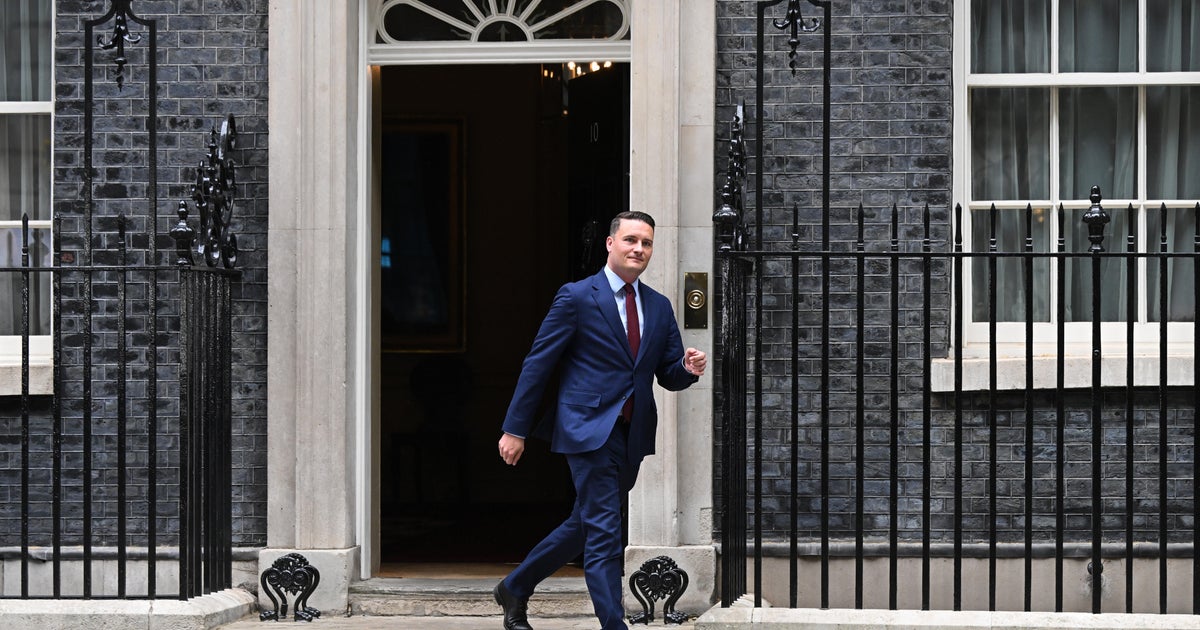
U.K. Prime Minister Keir Starmer is facing an open leadership challenge after Health Secretary Wes Streeting resigned and other Labour figures signaled they could enter a contest. The political pressure comes after Labour’s poor local/regional election results, even as Q1 GDP rose 0.6% versus 0.2% in the prior quarter. The article points to a fragile governing environment, but the immediate market impact is likely limited.
The market implication is less about the leadership drama itself and more about policy paralysis risk in a system that depends on fiscal credibility and continuous signaling. A contested transition in the governing party tends to compress the decision window on budgets, planning reform, and public-sector delivery, which matters because U.K. cyclicals and domestically levered assets price on the assumption of incremental policy stability rather than rapid growth acceleration. The second-order winner is likely the opposition narrative around a cleaner growth/reset story, but the immediate financial-market beneficiary is actually lower-duration defensives: if Westminster noise rises, investors usually de-risk out of U.K. midcaps, homebuilders, and retail-facing credits first, not the large-cap FTSE exporters. The more important transmission is through the gilt curve: a leadership contest that raises odds of looser fiscal promises or delayed consolidation should steepen long-end yields even if front-end rates stay anchored by weak growth. The contrarian angle is that the GDP print reduces the probability of an outright policy vacuum becoming a recession event. If growth is genuinely re-accelerating, the party may have enough cover to avoid a rapid leadership change, which would leave the current fiscal framework intact and force bears to cover quickly. So the high-conviction trade is not a blunt macro short; it is a volatility expression around political event risk, because the base case is drift, not immediate regime change. Tail risk is a fast cascade into a formal challenge within days, but the more tradable horizon is 1-3 months: reputational damage and factional bargaining can persist even if the challenge fails. The catalyst to watch is whether challenger support crosses the threshold publicly; that would likely hit sterling, domestic banks, and U.K.-only earnings multiples before any real policy change occurs.
AI-powered research, real-time alerts, and portfolio analytics for institutional investors.
Overall Sentiment
mildly negative
Sentiment Score
-0.15
