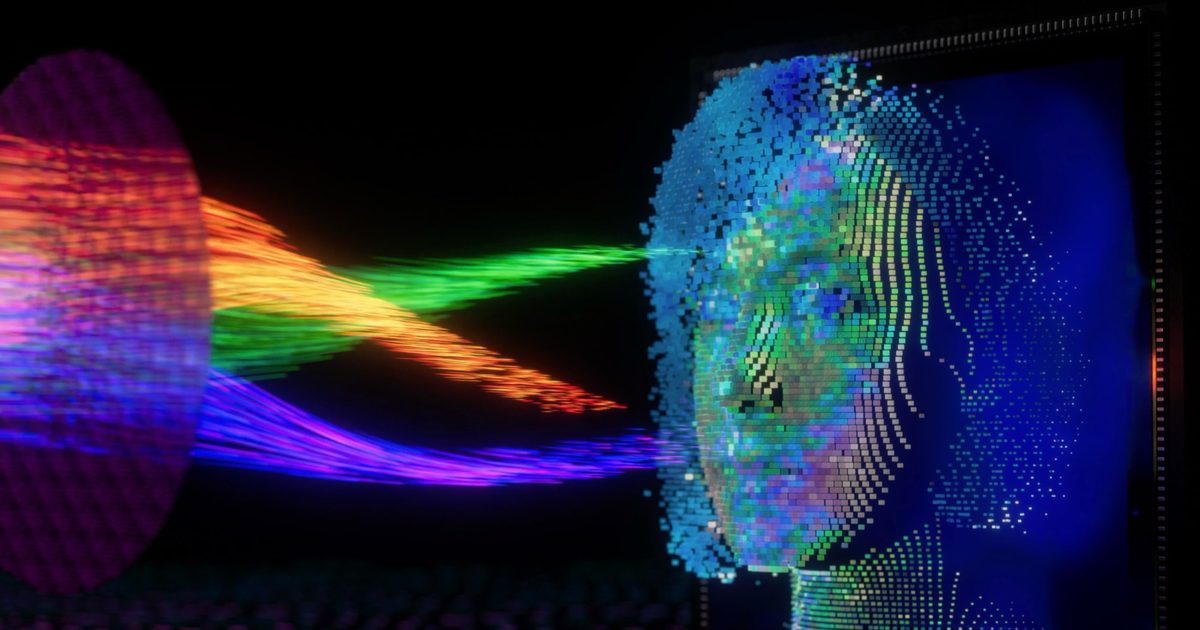
Metalenz is демонstrating Polar ID working under a fully powered-on OLED display, potentially eliminating the notch or punch-hole cutout for facial recognition on smartphones. The company says its metasurface optics can preserve polarized light through the display and claims a 0% spoof acceptance rate, positioning the technology as secure enough for biometric authentication and payments. The news is constructive for Android handset makers and display suppliers, but near-term market impact is likely limited until adoption by major OEMs is confirmed.
This is less about a single component win and more about a structural removal of a design constraint in premium Android. If under-display biometric security becomes payment-grade, OEMs can reclaim front-panel real estate, improve screen-to-body ratios, and simplify industrial design at the exact point where hardware differentiation has been commoditized. The second-order benefit accrues to Android flagships first, because Apple’s ecosystem already monetizes Face ID’s security moat; the competitive threat is not near-term share loss, but a narrowing of one of Apple’s cleanest hardware-vs-Android advantages. For AAPL, the near-term read-through is mildly negative but not thesis-changing. Apple has little incentive to rush adoption unless the technology is both cheap and proven at scale, so the first-order impact is margin-neutral. The risk is longer dated: if this becomes a standard feature across Android flagships in 12-24 months, Apple’s display notch/Island design becomes a growing visual outlier, and more importantly, its premium biometric advantage no longer meaningfully differentiates the front of the device. The more interesting market implication is for the supply chain and adjacent enablers. If OEMs move toward under-display secure biometrics, expect incremental demand for display-integrated optics, advanced OLED stack engineering, and module integration, while conventional camera-module vendors may see mix pressure as a portion of front-facing real estate gets rationalized. The likely adoption path is staggered: demo-to-design-win can take 2-4 quarters, but meaningful volume impact is a 2026 story unless one of the top Android OEMs fast-tracks it into a flagship launch. The contrarian view is that the market may overestimate how quickly "works in a demo" becomes "ships at scale." Under-display systems tend to fail on brightness, latency, yield, and unit economics long before they fail on physics, and secure authentication raises the bar further. The setup is attractive because the upside is platform-level, but the execution risk is classic venture-to-hardware translation: high headline value, slow revenue conversion, and plenty of chances for specs to be delayed or diluted.
AI-powered research, real-time alerts, and portfolio analytics for institutional investors.
Request DemoOverall Sentiment
moderately positive
Sentiment Score
0.65
Ticker Sentiment
