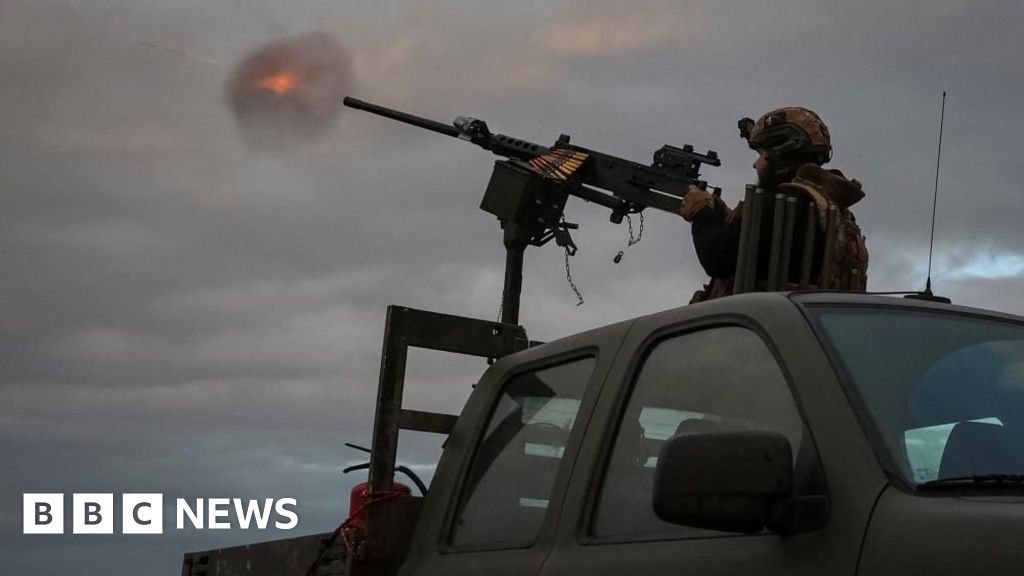
European leaders, including the UK Prime Minister, have endorsed US President Donald Trump's proposal for an immediate ceasefire in Ukraine, advocating for negotiations to begin from the current front lines. However, Russia, through Foreign Minister Lavrov and Kremlin spokesperson Peskov, has firmly rejected this, insisting on addressing the conflict's "root causes," which include maximalist demands such as full Russian sovereignty over Donbas and Ukraine's demilitarization, a position opposed by Ukrainian President Zelensky. Despite this impasse, Trump is reportedly planning direct talks with Russian President Putin in Budapest, though preparatory meetings are delayed and logistical hurdles exist due to Putin's international arrest warrant, highlighting the persistent geopolitical deadlock.
European leaders, including UK Prime Minister Keir Starmer, have publicly supported US President Donald Trump's proposal for an immediate ceasefire in Ukraine, advocating for negotiations to commence from the current front lines. This unified stance aims to halt hostilities and initiate a diplomatic process, reflecting a desire among Western allies to de-escalate the conflict. However, this initiative faces significant opposition from Russia.
Russian Foreign Minister Sergei Lavrov and Kremlin spokesperson Dmitry Peskov have unequivocally rejected the idea of a front-line freeze, dismissing it as a temporary measure and insisting on addressing the "root causes" of the conflict. These demands include full Russian sovereignty over the Donbas region and the demilitarization of Ukraine, positions that Ukrainian President Volodymyr Zelensky has consistently ruled out, highlighting a fundamental and intractable geopolitical deadlock.
Despite this impasse, Trump is reportedly planning direct talks with Russian President Putin in Budapest, though preparatory meetings are delayed and logistical hurdles, such as Putin's international arrest warrant, complicate the prospect of such a summit. The overall sentiment surrounding these developments is moderately negative and pessimistic, with a high market impact score, indicating persistent geopolitical uncertainty and a lack of clear resolution.
The sustained divergence in diplomatic positions, coupled with the practical difficulties of high-level talks, suggests that the conflict is likely to remain protracted. This ongoing geopolitical tension will continue to influence global markets, particularly energy and commodity sectors, and maintain elevated risk premiums across various asset classes.
AI-powered research, real-time alerts, and portfolio analytics for institutional investors.
Request DemoOverall Sentiment
moderately negative
Sentiment Score
-0.50
