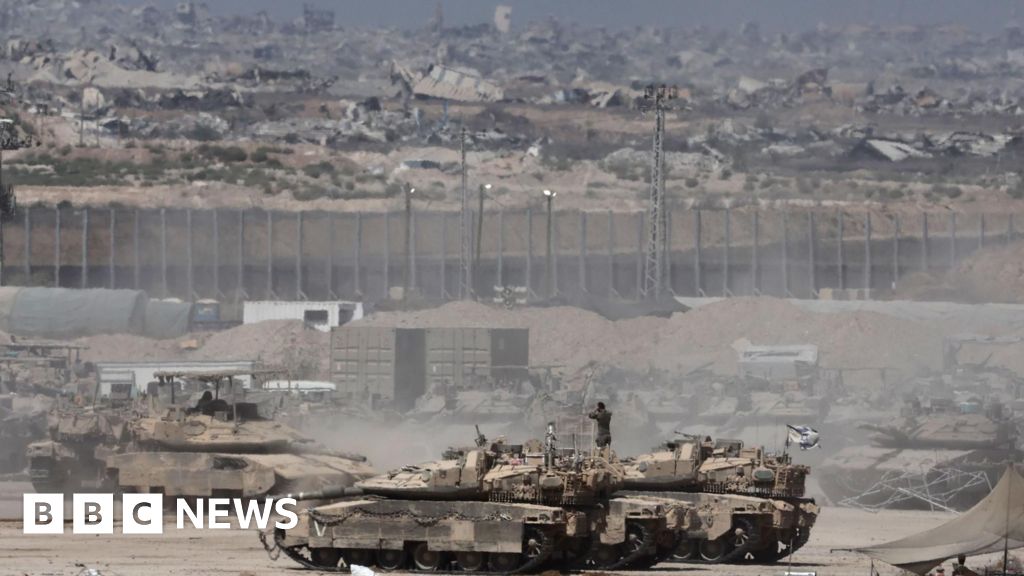
Israel is escalating its Gaza offensive, deploying thousands of reservists for a ground assault on Gaza City, a move Prime Minister Netanyahu asserts is crucial for defeating Hamas and securing all hostages despite internal military concerns over hostage safety and a rejected partial deal. This intensified campaign unfolds amid a severe humanitarian crisis, with UN warnings of catastrophic impact, widespread famine, overwhelmed healthcare, and over 63,000 reported fatalities in Gaza since October 7, signaling a protracted conflict with significant geopolitical and humanitarian implications.
Israel is significantly escalating its military operations with a planned offensive on Gaza City, mobilizing thousands of reservists for what Prime Minister Netanyahu frames as a decisive phase to defeat Hamas and release all hostages. This strategy, however, faces notable internal dissent from the IDF's senior leadership, with Chief of Staff Lt Gen Eyal Zamir reportedly warning that the plan endangers the 48 remaining hostages and risks entangling Israel in a long-term military government in Gaza. This internal friction is compounded by reports of lower-than-expected turnout among some reservist units, suggesting potential war fatigue after a 22-month conflict. The offensive proceeds amidst a dire humanitarian crisis, characterized by the UN as potentially "beyond catastrophic." A famine is officially confirmed in Gaza City, the death toll has surpassed 63,600 according to the Hamas-run health ministry, and local hospitals are collapsing under the strain of casualties and supply shortages. The rejection of a mediated 60-day truce in favor of a high-risk military push underscores a commitment to a maximalist war aim, signaling a protracted and increasingly volatile conflict with severe geopolitical and humanitarian consequences.
AI-powered research, real-time alerts, and portfolio analytics for institutional investors.
Request DemoOverall Sentiment
extremely negative
Sentiment Score
-0.90
