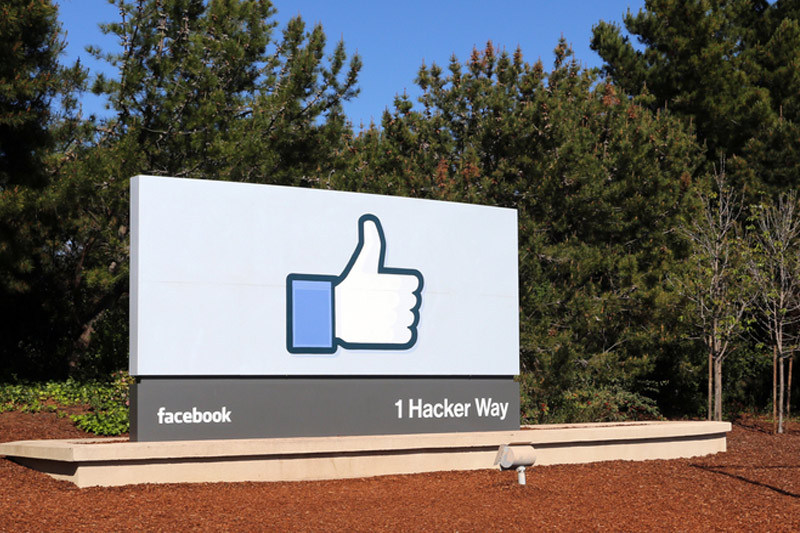
Meta reported Q1 revenue of $56.3 billion, up 29% year over year ex-FX and above estimates, with ad revenue also rising 29% ex-FX on AI-driven impression growth. The company lifted fiscal 2026 capex guidance to $125 billion-$145 billion from $115 billion-$135 billion, while reaffirming expense guidance and saying operating income should exceed fiscal 2025. Analyst reactions were mixed but generally constructive, with several firms raising or trimming price targets after the results.
META’s print reinforces a key market bifurcation: AI is now monetizing faster than the market is willing to discount, but the next leg of the stock is likely to be governed more by capex credibility than ad demand. The immediate second-order winner is not just META’s ad stack; it is the upstream compute/infra ecosystem, where continued spend supports order books for semiconductor, networking, and data-center adjacent suppliers even if cloud names are not explicitly mentioned here. Conversely, higher capex also raises the bar for execution: if incremental spend starts showing diminishing returns, the market will quickly shift from celebrating AI share gains to debating depreciation drag and free-cash-flow compression over the next 2-4 quarters. The more important underappreciated risk is legal and regulatory optionality. Youth-safety litigation is a low-probability, high-severity overhang that can cap multiple expansion even if fundamentals remain strong; in practice, that means META can outperform on prints but still underperform if policy headlines force a higher discount rate. On the ad side, the strength in pricing and impressions suggests Meta is still taking share from mid-tier digital budgets, which is a negative read-through for smaller ad-tech and performance marketing budgets, while Alphabet looks comparatively insulated given its broader search/YouTube mix. For EQIX, the message is that hyperscaler and platform spend remains intact, so data-center real estate and power-constrained infrastructure remain a structural beneficiary. The subtle risk is that sustained capex inflation from the largest platforms can eventually pressure returns across the ecosystem, making the winners those with scarce power, land, and interconnect rather than generic capacity. In the next 6-12 months, the key tell is whether rising spend translates into accelerated revenue growth for the platforms; if not, this becomes a classic late-cycle infrastructure squeeze rather than a pure AI growth story. The market reaction looks too focused on the capex headline and not enough on the fact that ad monetization is still accelerating; that creates an attractive setup for traders willing to own strength into near-term volatility. A clean read-through is that META’s AI spend is still defensive-turned-offensive, not wasteful, which supports the bull case so long as incremental margins remain near current levels. The consensus is likely underestimating how much of this spend is defensive share protection versus optional growth investment, which matters because defensive capex tends to persist longer and prove more durable than cyclical overinvestment.
AI-powered research, real-time alerts, and portfolio analytics for institutional investors.
Request DemoOverall Sentiment
mildly positive
Sentiment Score
0.35
Ticker Sentiment
