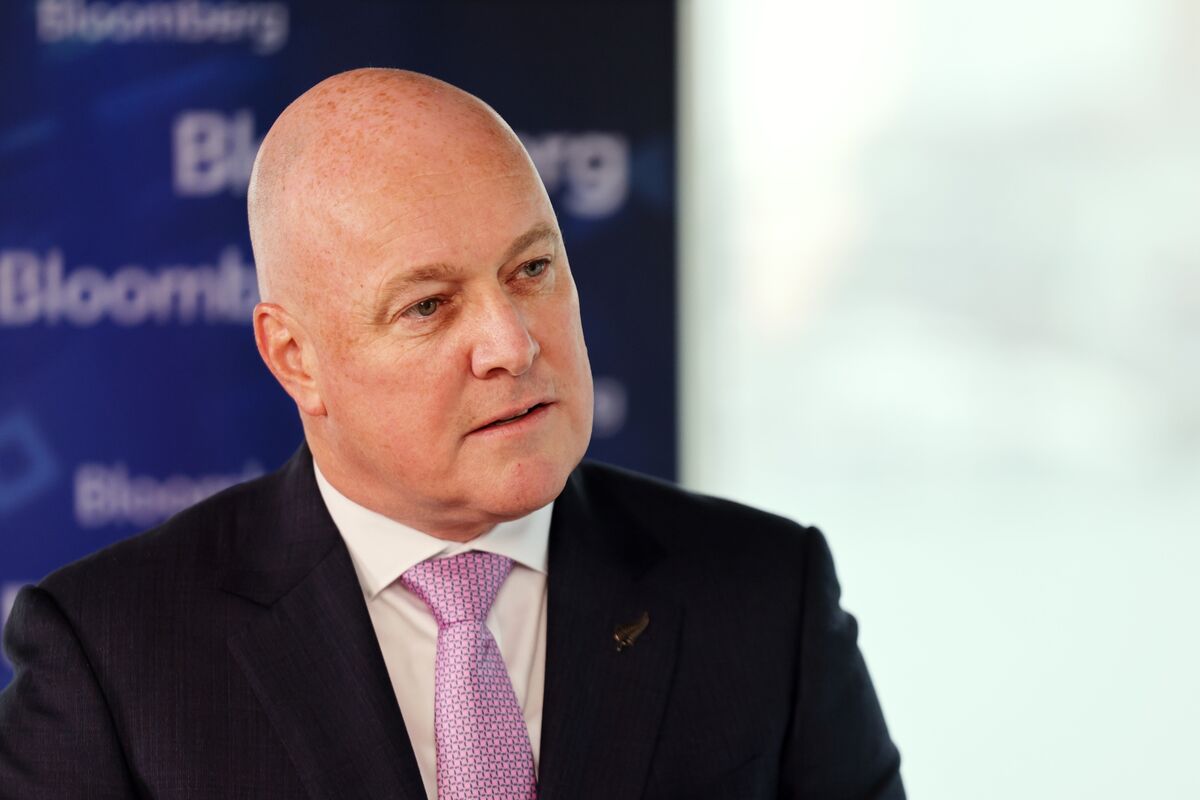
New Zealand Prime Minister Christopher Luxon publicly stated his personal belief that the Reserve Bank of New Zealand (RBNZ) should have implemented a more aggressive 50 basis point cut to the Official Cash Rate last week. This direct political commentary on a recent monetary policy decision could signal potential friction between the government and the central bank, and may influence market perceptions regarding future RBNZ independence or policy direction.
New Zealand Prime Minister Christopher Luxon's public statement that he personally believes the Reserve Bank of New Zealand (RBNZ) should have implemented a more aggressive 50 basis point rate cut introduces a significant political dimension to the country's monetary policy landscape. This direct commentary on a recent RBNZ decision is a notable departure from the typical arm's-length relationship between the government and the central bank. The explicitly dovish stance from the head of government could pressure the RBNZ to pursue a more accommodative policy in the future to support the government's economic agenda. However, it also creates a critical test for the central bank's perceived independence, as the RBNZ may feel compelled to resist political influence to maintain its credibility, potentially leading to policy outcomes that diverge from market expectations. This development adds a layer of uncertainty for market participants, who must now weigh the government's preference for stimulus against the RBNZ's mandate and commitment to its operational independence.
AI-powered research, real-time alerts, and portfolio analytics for institutional investors.
Request DemoOverall Sentiment
moderately positive
Sentiment Score
0.35
