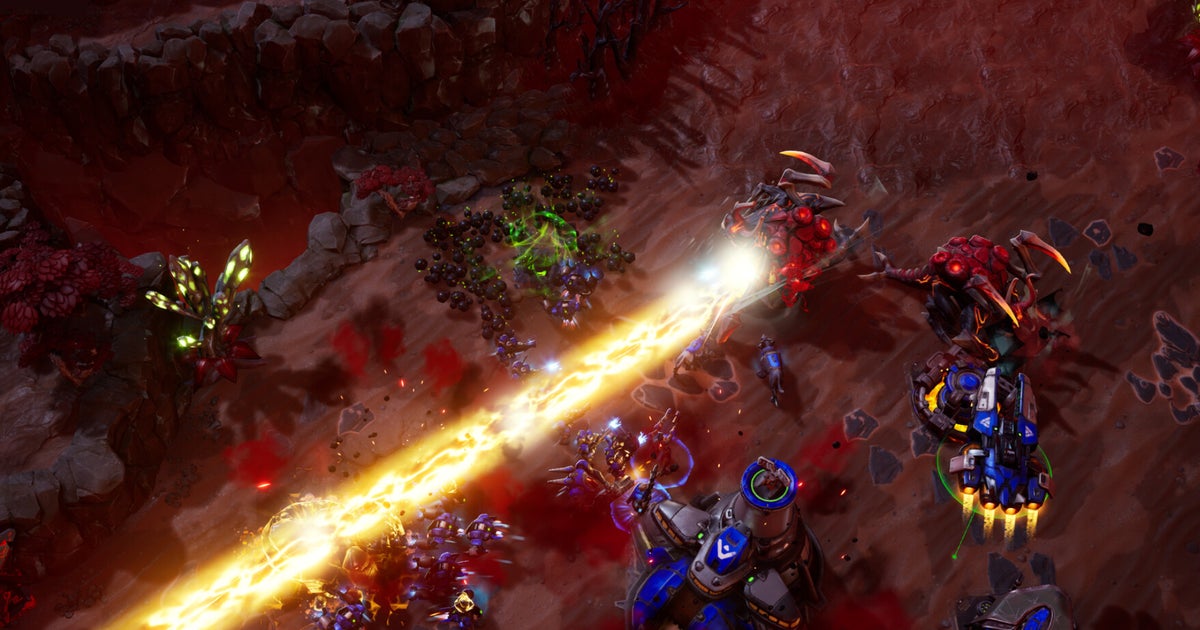
Stormgate will lose online multiplayer at the end of April after its server orchestration partner Hathora was acquired by Fireworks AI and is winding down game hosting (support shutdown noted as 90 days). Frost Giant will patch the game for offline play but online modes remain unavailable until a new partner is found; Hathora named Nitrado's GameFabric as an exclusive transition option. The disruption is an operational setback for Stormgate and could affect other Hathora customers (e.g., Splitgate 2, Predecessor) but has limited broader market implications unless studios cannot secure replacements.
The immediate economic effect is a concentrated, time-boxed demand shock for low-latency orchestration: studios that relied on a single third-party provider face 4–12 week devops sprints and $0.1–1.0M one-time implementation costs to rewire matchmaking, anti-cheat, and stateful replication. That creates negotiating leverage for large cloud and edge providers who already own networking, identity and DDoS tooling — they can bundle higher-margin managed game stacks and extract 5–10% incremental price premium versus white-label orchestration in multi-year contracts.
Second-order winners are vendors that combine edge compute, telemetry and real-time state sync (think CDN + compute) because switching away from bespoke middleware increases demand for integrated stacks that reduce operational lift by 30–50%. Conversely, niche orchestration startups without deep pockets or differentiated latency/telemetry will see increased burn and consolidation risk over the next 6–24 months as studios prefer vendors with multi-game SLAs and proactive incident engineering.
The key risks: (1) developers can and will build bespoke server tech when economics warrant, capping TAM expansion; (2) cloud incumbents may under-deliver on bespoke real-time features, triggering hybrid architectures and vendor churn. Watchables that will move markets in days–months: public statements of migration deals, RFP wins from mid-tier studios, and ISV commentary in cloud providers’ earnings calls — those are leading indicators of who actually captures the economics versus just claiming it.
AI-powered research, real-time alerts, and portfolio analytics for institutional investors.
Request DemoOverall Sentiment
mildly negative
Sentiment Score
-0.25
