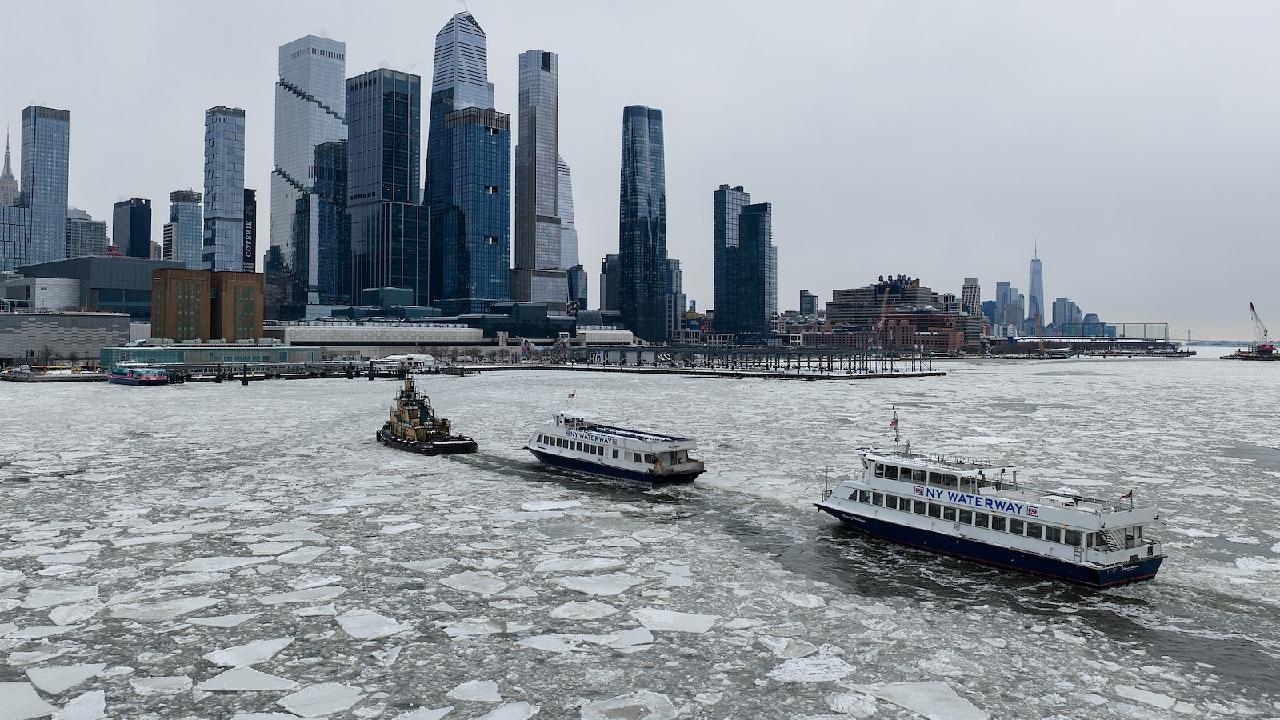
A massive winter storm swept more than 1,300 miles from Arkansas to New England, producing deep snow, widespread ice and at least 50 storm-related deaths while leaving over 410,000 homes and businesses without power (with more than 110,000 outages in Nashville). The storm disrupted transportation—more than 17,000 flights were canceled over the weekend (≈6,300 on Monday, ~2,500 on Tuesday)—and forecasters warn another storm could bring additional record lows; emergency response includes National Guard deliveries and expanded shelters. Immediate implications include elevated utility and emergency-service strain, potential localized spikes in energy demand and damage/insurance losses, and continued travel-sector disruption that could pressure regional economic activity in the near term.
Market-structure: Acute cold and grid strain create clear winners (backup-generator makers like Generac GNRC, home-improvement retailers HD/LOW, heating fuel suppliers/NG futures) and losers (regional airlines AAL/DAL/UAL, undercapitalized municipal utilities, P&C insurers with weather exposure). Expect 2–6% near-term revenue bumps for GNRC/HD if outages persist >3–7 days; utilities face spot-price volatility and outage-related O&M hits that compress short-term margins. Cross-asset: Henry Hub gas likely to spike 10–30% intra-week if demand/supply imbalance continues; power forwards in affected ISOs (MISO, TVA-adjacent) will reprice upward, pushing short-term vol in energy equities and higher implied vols in airline names.
Risk assessment: Tail risks include cascading grid failures, emergency federal intervention and accelerated capex mandates (regulatory shock raising utility allowed returns or required resiliency spend by $1–5bn regionally) and prolonged cold driving sustained gas drawdowns into storage <5-year lows. Time horizons: immediate (days) for flight disruptions and power outages, short-term (weeks–3 months) for commodity and retail demand effects, long-term (quarters–years) for capex/regulatory shifts and insurance repricing. Hidden dependencies: generator and transformer supply-chain constraints (lead times +3–9 months) and LNG flow disruptions that could amplify gas-price moves.
Trade implications: Favor concentrated short-duration longs in GNRC (6–12 months) and NG exposure (1–3 month call spreads on Henry Hub / UNG), paired with tactical shorts in regional airlines and travel ETFs for 2–6 weeks. Use options to express skew: buy 1–3 month call spreads to limit premium outlay and size exposure to a 1–3% NAV range. Rotate into regulated utility equities/bonds (DUK, SO) after immediate volatility subsides to capture defensive yield and potential rate-base expansion.
Contrarian angles: Consensus may over-penalize large, investment-grade utilities; well-capitalized regulated utilities with clear resiliency plans (DUK, SO) could see multiple expansion if regulatory certainty around cost recovery rises. Conversely, winter-driven retail spikes (HD/LOW) may be front-loaded — don’t hold through Q2 inventory resets. Historical parallels (2014–2015 polar vortex) show 4–12 week commodity overshoots followed by mean reversion; size positions accordingly and protect with options or tight stops.
AI-powered research, real-time alerts, and portfolio analytics for institutional investors.
Request DemoOverall Sentiment
moderately negative
Sentiment Score
-0.60
