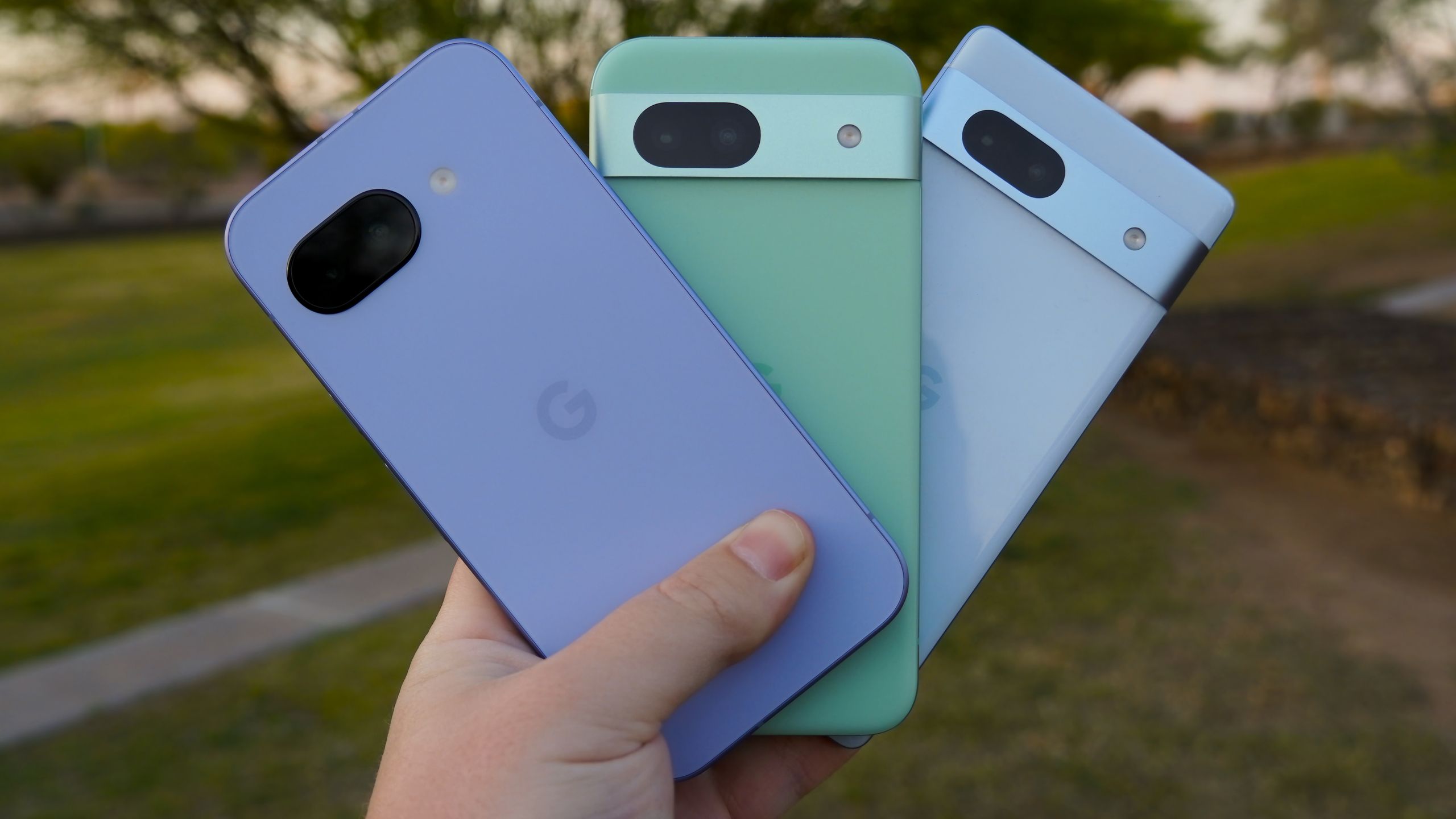
Google's Pixel 10a is positioned as an incremental midrange refresh with pre-orders reportedly opening Feb. 18, 2026 and retail availability March 5, 2026; expected U.S. pricing is unchanged from the Pixel 9a at $500 with 8GB/128GB and 8GB/256GB configurations. Key rumored specs include a 'boosted' Tensor G4 (not Tensor G5), a 6.3-inch 120Hz pOLED, 5,100mAh battery, and higher peak brightness (~2,700 nits); the modest upgrades suggest limited upgrade demand from recent Pixel buyers and a low probability of materially affecting Alphabet's handset revenue or stock absent surprise pricing or volume shifts.
Market structure: Incremental Pixel 10a upgrades principally favor component licensors and materials suppliers (ARM for core IP, GLW for cover glass) and aftermarket channels (AMZN Marketplace for refurb sales). New-device pricing likely holds near $500 while discounted Pixel 9a/8a inventories push refurbished supply up ~30–50% in the next 3–6 months, pressuring new-unit volumes and OEM pricing power. Carriers and accessory makers see weaker upgrade demand; winners are logistics/marketplace and durable-material suppliers with steady per-unit content.
Risk assessment: Tail risks include a supply shock (TSMC capacity cut or yield issues) or a consumer-quality defect triggering recalls; either would move handset supply chains and ARM licensing flows materially within weeks. Immediate effects (days–weeks) center on retail discounting around Feb 18 pre-orders and Mar 5 launch; medium-term (1–3 quarters) is slower replacement cycles driven by seven-year OS support, reducing unit growth; long-term (2+ years) could compress smartphone aftermarket margins and lower carrier ARPU. Hidden dependency: longer OS support is a demand suppressant for carrier-subsidized replacements, a second-order hit to chip/assembly volumes.
Trade implications: Tactical longs: favor GLW (materials exposure) and ARM (licensing mix) with a 3–12 month horizon; favor AMZN exposure to refurbished marketplace upside into Q2 2026. Implement options to express views: buy GLW 3–6 month call spreads to cap capital, and consider AMZN bull-call spreads into May 2026 around the expected refurb sales cycle. Underweight small, high-beta handset component names that rely on accelerated replacement cycles; rotate into consumer retail logistics and defensive materials.
Contrarian angles: Consensus underestimates that extended OS support (seven years) materially reduces replacement frequency by ~10–20% annually vs. prior cycles, which is bearish for volumetric semiconductor demand but bullish for durable-content suppliers. Market may be overly bullish on component winners; GLW could be priced for perfection—look for >10% pullback as entry. Historical parallel: iPhone SE refreshes caused aftermarket spikes and longer-term volume stagnation; similar could repeat for Android midrange which would pressure cyclical suppliers while benefiting marketplaces and durable-material vendors.
AI-powered research, real-time alerts, and portfolio analytics for institutional investors.
Request DemoOverall Sentiment
neutral
Sentiment Score
0.00
Ticker Sentiment
