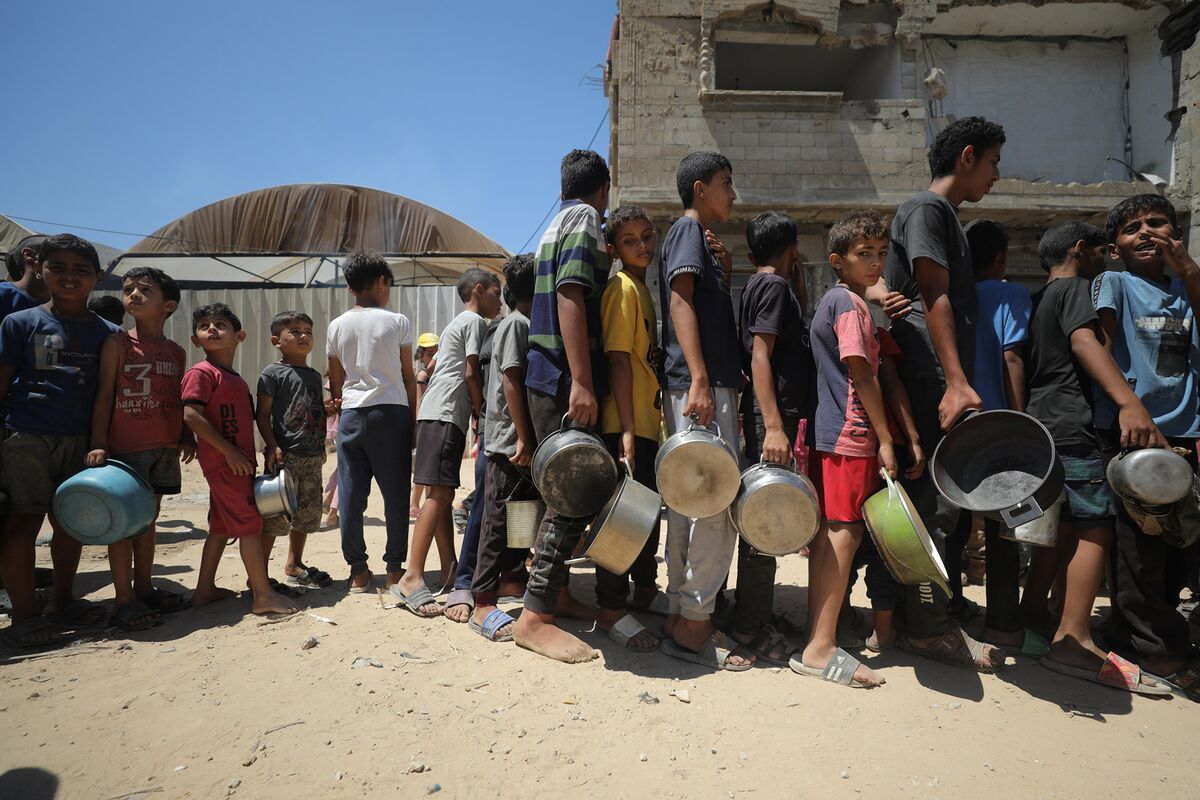
A senior UN World Food Programme official, Carl Skau, has reported an unprecedentedly dire humanitarian situation in Gaza, with approximately 90,000 women and children suffering from malnutrition and widespread starvation affecting one in three people. Following his fourth visit, Skau emphasized the urgent need for a ceasefire, noting that while Palestinian needs are at their peak, the UN's capacity to respond is severely constrained. This highlights escalating regional instability and the potential for increased international pressure and aid requirements.
A senior UN official's report underscores a severe escalation of the humanitarian crisis in Gaza, with specific metrics indicating widespread distress, including approximately 90,000 women and children suffering from malnutrition and one-third of the population going days without food. The key takeaway for investors is the operational gridlock; the UN's capacity to deliver aid is described as being at its most constrained, making the situation heavily dependent on a political resolution, specifically a ceasefire. While the direct market impact score is low at 0.1, the report's pessimistic tone and the gravity of the situation elevate the tail risk of broader regional instability. A worsening crisis could increase international political pressure, potentially leading to unforeseen diplomatic or military actions that could disrupt energy markets and regional supply chains.
AI-powered research, real-time alerts, and portfolio analytics for institutional investors.
Request DemoOverall Sentiment
neutral
Sentiment Score
0.00
