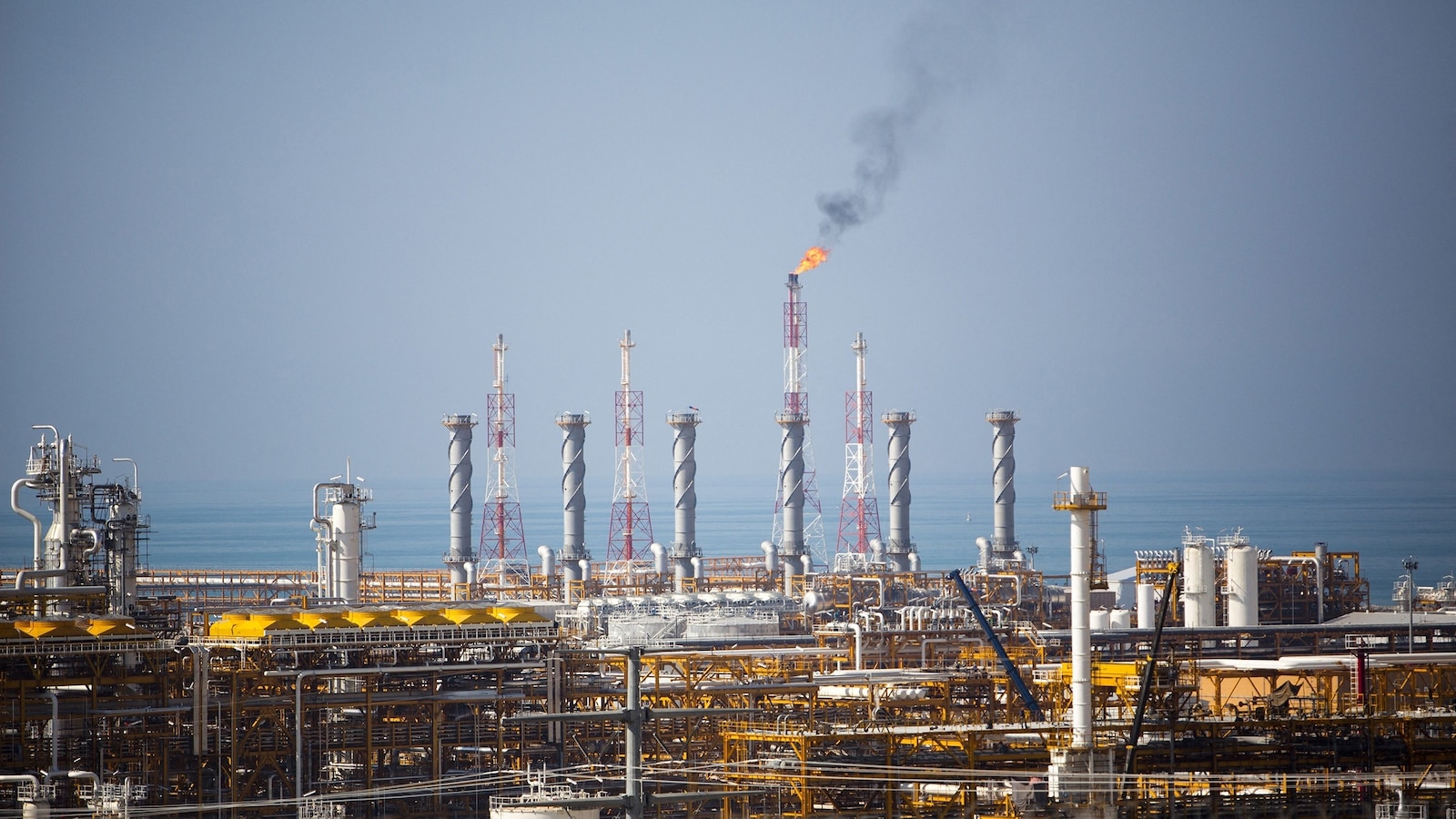
Israel's air strike on South Pars — the field with ~1,800 trillion cubic feet of gas that supplies ~70% of Iran's domestic gas — has disrupted regional gas flows and contributed to Brent crude peaking at $119/barrel. South Pars plus Qatar's North Field represent ~10% of traded gas and ~20% of annual LNG exports, so sustained damage risks tightening LNG/gas markets, raising fertilizer costs and feeding through to higher food inflation; Turkey sources up to ~15% of its gas from Iran. Expect market-wide volatility, heightened supply-chain and energy security risks, and justify a defensive/risk-off posture for portfolios exposed to energy, fertilizers, and import-dependent economies.
Market moves will be driven by two overlapping transmission mechanisms: physical supply shock to LNG/pipe flows (acute, days–weeks) raising spot/TFF/TTF premiums, and a secondary industrial shock (months) as higher feedstock gas raises ammonia/fertilizer breakevens and forces inventory drawdowns. Expect spot Asian LNG differentials to Europe to reprice cargo arbitrage within 1–6 weeks, creating outsized freight demand and pushing time-charter rates for LNG carriers materially higher — a 30–100% move in short-term charter rates is plausible if strikes persist.
Banks, trade finance desks and regional counterparties are an underappreciated conduit for contagion: prolonged export disruption will increase margin calls, roll risk on hedges, and raise working capital needs for national oil companies and major traders over 1–3 months, concentrating credit risk in certain European and Gulf-exposed banks. Insurance and war-risk premia for Persian Gulf voyages will spike immediately, increasing delivered energy costs beyond pure commodity moves and favoring firms with long-term, contracted supply and premium insurance coverage.
Second-order winners include LNG shipowners/charterers and spot-exporters with uncontracted cargo flexibility; losers are large industrial gas consumers in export-dependent markets (fertilizer, ammonia-based chemicals) and utilities without liquid storage, which will face margin compression and potential rationing over a 3–9 month window. The relief vector that would reverse most of these moves is diplomatic containment and a rapid rerouting/compensation of flows by Qatar/other exporters — structurally, however, sanctions/attacks that raise perceived risk will reallocate capex toward diversification for years, tightening future supply responsiveness.
AI-powered research, real-time alerts, and portfolio analytics for institutional investors.
Request DemoOverall Sentiment
strongly negative
Sentiment Score
-0.75
