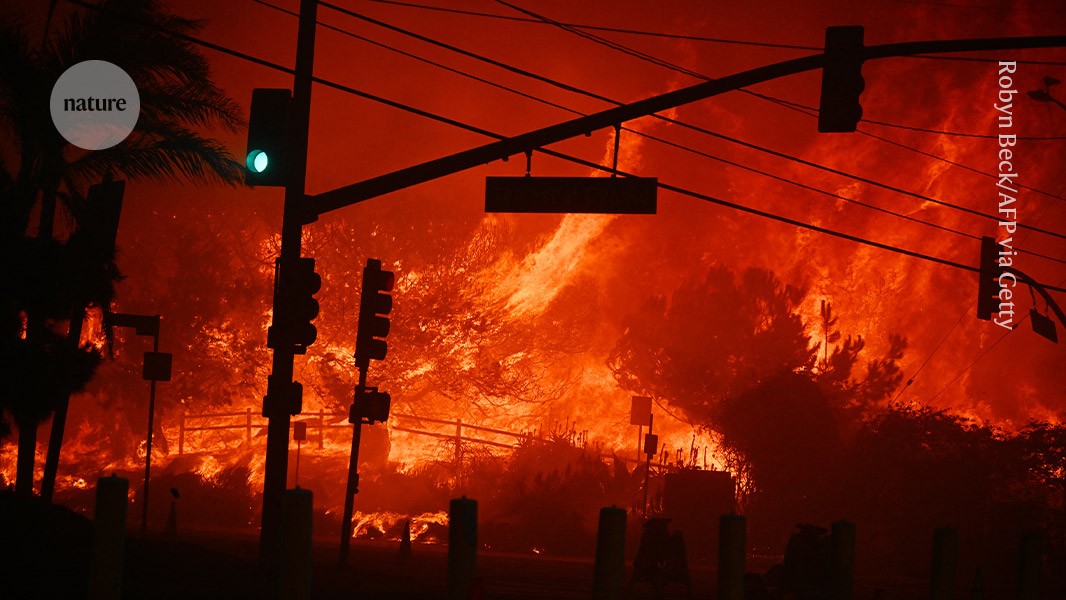
Past 11 years are the hottest on record and 2025 ranked as the second or third hottest year since observations began. The WMO reports atmospheric CO2 and ocean heat reached record levels in 2025 and the Earth’s energy imbalance (EEI) hit its highest level since observations began in 1960; Antarctic and Arctic sea-ice were among the lowest since 1979. Scientists note >91% of excess heat since the 1970s has been absorbed by the oceans, and inclusion of EEI provides a clearer long-term metric of warming than surface temperatures alone.
The elevation of heat-budget metrics into mainstream monitoring will materially change policy and capital timelines: regulators and sovereigns can now justify faster, non-linear interventions (stricter carbon pricing, faster coal phase-outs, targeted coastal adaptation spending) on a multi-year horizon (12–36 months). That accelerates demand for long‑lead grid and storage projects while increasing the value of vertically integrated developers who can internalize permitting and financing frictions.
A persistent upward shift in systemic energy accumulation creates chronic, not just episodic, shocks to insurance, municipal finance, and supply chains—expect more frequent reinsurance rate resets and tightened private insurance supply in exposed coastal and agricultural corridors over the next 1–5 years. This is a dual squeeze: near-term claim volatility compresses earnings while medium-term pricing repricing benefits reinsurers and service providers that can lock multi-year contracts or deploy capital into adaptation infrastructure.
Near-term market pricing likely underestimates two offsetting forces: (1) supply-side bottlenecks for critical minerals and grid components that can inflate capex and create margin pressure for pure-play installers, and (2) political pushback against aggressive carbon interventions that could delay policy-driven demand. The pragmatic position is to favor balance-sheet‑strong, vertically integrated players and adaptation‑exposure names, while using short-dated hedges to manage catastrophe/timing risk around seasonal disaster windows and political cycles.
AI-powered research, real-time alerts, and portfolio analytics for institutional investors.
Request DemoOverall Sentiment
strongly negative
Sentiment Score
-0.60
