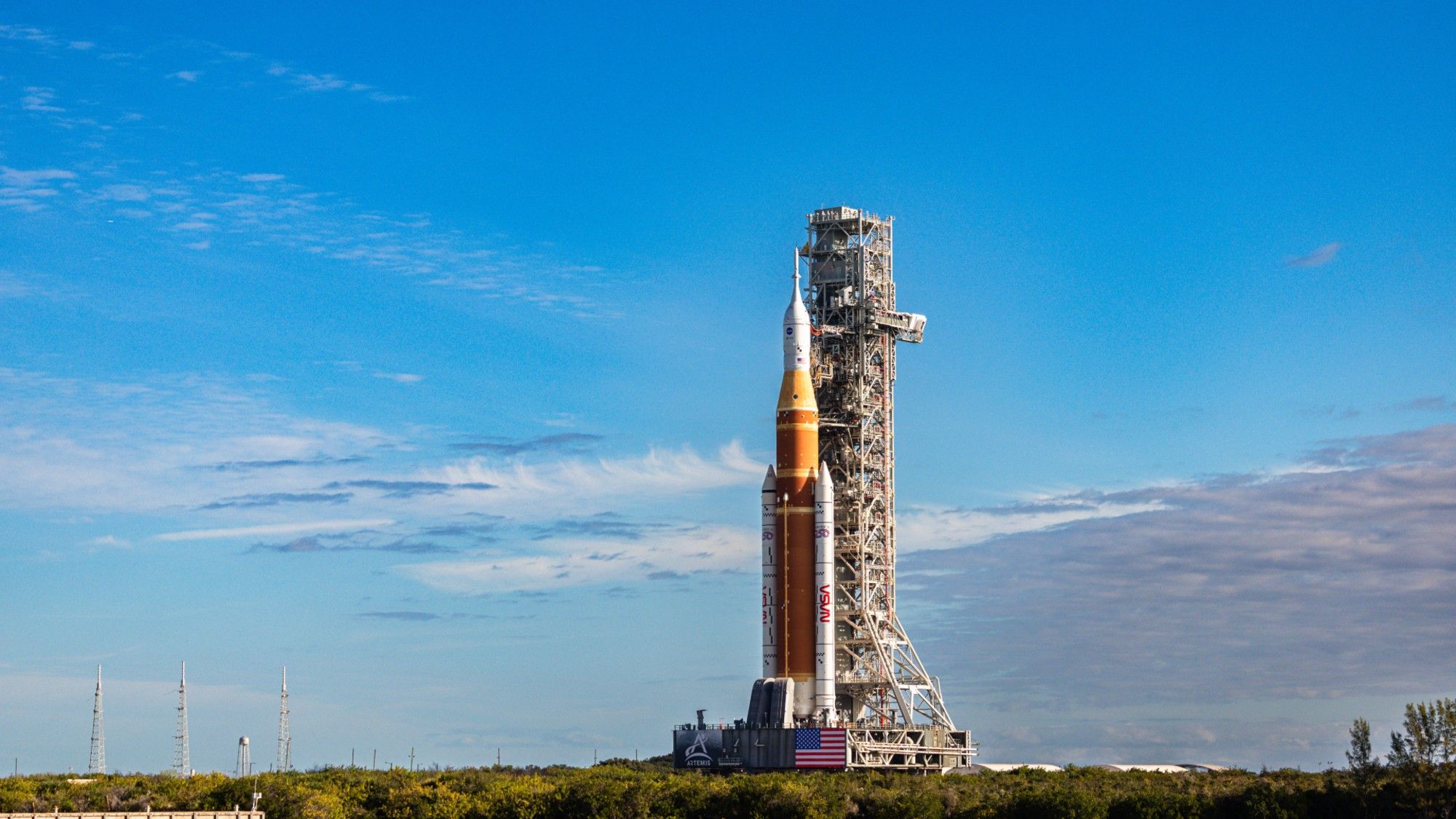
NASA plans to proceed with the crewed Artemis II lunar flyby despite independent findings that the Orion spacecraft’s heat shield suffered unexpected, large-scale char loss after Artemis I. The agency says it identified the technical cause but largely redacted the report and will avoid major material changes, instead altering the flight trajectory for a gentler reentry — a decision that experts warn prioritizes schedule and cost over engineering fixes and could pose safety and programmatic risks for Artemis II and the follow-on Artemis III lunar-landing objectives.
Market structure: Near-term winners are large, diversified defense primes (Lockheed Martin LMT, Northrop Grumman NOC) and specialist MRO/inspection firms that can capture rework and verification contracts; direct small suppliers of thermal protection systems and niche composites are losers if NASA forces manufacturing fixes. Competitive dynamics favor incumbents — NASA’s flight-path mitigation reduces immediate incentive to switch suppliers, preserving contract share for primes but compressing pricing power for small vendors that might have used a failure to win redesign work. Cross-asset: a visible anomaly or failure would spark a 3–7 day risk-off trade (equities down 2–5%, US yields lower by ~10–20bps, USD slightly stronger) and lift aerospace insurers/put demand; absent a failure, market reaction should be muted.
Risk assessment: Tail risks include a crewed mission failure or a heavily redacted adverse review that triggers contract halts, potential regulatory investigations, or $100M+ remediation bills for contractors — plausible but <10% probability; such an event could knock 15–30% off exposed small-cap contractors. Time horizons: immediate (days) is headline-driven volatility; short-term (weeks–months) is program rework, contract renegotiation and margin pressure; long-term (2–5 years) funding for Artemis and lunar infrastructure likely sustains demand for primes. Hidden dependencies: insurance clauses, subcontractor bonds, and congressional earmarks determine ultimate financial pain — not obvious from media coverage. Key catalysts: release of the full review (30–90 days), Artemis II launch outcome (0–6 months), and NASA budget language in next appropriations cycle.
Trade implications: Direct plays — establish a tactical 1–2% short/hedge in LMT via 3-month puts 10–15% OTM sized to limit drawdown, paired with a 2–3% long in NOC for 6–24 months to capture defense-spend durability. Pair trade — short small-cap aerospace suppliers with >30% revenue exposure to Orion (if share falls >20% after Artemis II) vs long NOC or MAXR (Maxar Technologies) for relative safety; size pair at 1–2% net exposure. Options — buy protection: 0.5% portfolio allocation to an aerospace volatility play (buy ITM/near-ATM puts on XAR or 90–120 day calendar spreads) to monetize possible headline shocks. Entry: deploy within 7–30 days; reassess 7 days post-launch and close shorts if mission succeeds and review is resolved within 90 days.
Contrarian angles: The market likely overweights catastrophic execution risk and undervalues the barrier to entry — a credible failure often accelerates consolidation that benefits large primes (LMT, NOC) and pricing power thereafter; a successful Artemis II will likely produce 10–20% rebound in beaten-down subcontractors over 6–12 months. Historical parallel: post-Challenger and Columbia periods created short-term pain but strengthened incumbent primes through added scope and funding — prepare to switch from defensive hedges to selective long exposure in Q4–Q8 post-launch if program reviews are resolved. Monitor: timing of full independent report release, congressional hearings, and any procurement RFPs within 90 days as precise buy/sell triggers.
AI-powered research, real-time alerts, and portfolio analytics for institutional investors.
Request DemoOverall Sentiment
moderately negative
Sentiment Score
-0.35
