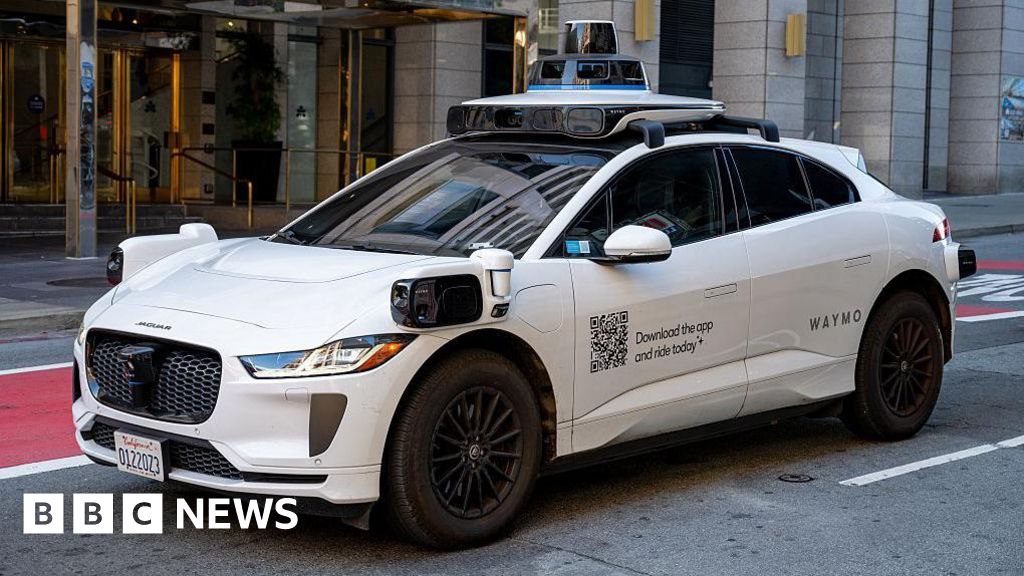
Waymo is recalling nearly 3,800 robotaxis in the US after a software issue created a risk that vehicles could drive into flooded roads; the affected fleet uses its fifth- and sixth-generation automated driving systems. The recall follows an April 20 incident in San Antonio, where an empty Waymo vehicle entered floodwater and was swept into a creek, and temporary weather-related driving limits have already been applied. San Antonio service remains suspended until the software fix is deployed.
This is less about a one-off software bug and more about the economics of autonomous scale: every incremental fleet mile widens the surface area for edge cases that are rare in testing but expensive in public perception. The immediate damage to GOOGL is modest because the core ad/search franchise is untouched, but the robotaxi narrative has been a higher-beta optionality layer that depends on regulators, insurers, and cities believing the system is getting safer faster than it is getting larger. Repeated weather-related incidents increase the probability that permitting in new geographies becomes more conditional, which slows unit growth and lengthens the payback period on fleet deployment. The second-order winner is the broader incumbent ride-hailing and commercial fleet stack that benefits whenever autonomous adoption pauses. If municipalities respond by tightening operational envelopes around flooding, heavy rain, or storm surge zones, the operationally simple models will look less competitive versus human-driven networks that can adapt in real time. That also matters for AV suppliers and partners: software remediation costs are low, but the real risk is a rising compliance burden that compresses margins for any operator trying to scale nationally before the regulatory playbook is standardized. The market should distinguish between headline risk and economic risk. This does not threaten Alphabet’s balance sheet; it threatens the timeline on a meaningful TAM narrative, which is what typically supports multiple expansion in “other bets”-style assets. The catalyst path is binary over the next 1-3 months: if the fix rolls out cleanly and service resumes without another incident, this likely fades into a contained governance issue; if there is a second weather-related episode, expect a sharper reset in investor willingness to underwrite near-term robotaxi monetization. The contrarian view is that the market may be over-penalizing because the problem is visible precisely because the product is being deployed at scale—an embarrassing but normal part of moving from pilot to operating system.
AI-powered research, real-time alerts, and portfolio analytics for institutional investors.
Request DemoOverall Sentiment
moderately negative
Sentiment Score
-0.45
Ticker Sentiment
