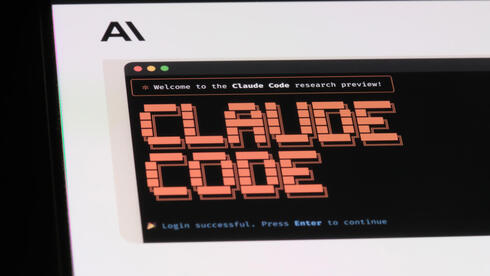
Anthropic released a Vulnerability Scanner built on Claude Opus 4.6 that analyzes code like a human researcher, claims to have found over 500 long‑undetected vulnerabilities in production open‑source projects and suggests fixes for developers. The launch sent cybersecurity stocks down on Wall Street and prompted investors to warn it could undermine traditional static code‑scanning vendors, lower migration costs between vendors, and even empower attackers by accelerating exploit development—creating both disruption risk for incumbent cyber firms and opportunities for AI‑native security entrants.
Market structure: Anthropic’s Vulnerability Scanner is a force-multiplier for attackers and a disintermediator for rule-based SCA/static-analysis vendors. Winners: AI-native security startups, cloud infra providers (MSFT/GOOGL/AMZN) that host LLM inference and M&A acquirers; losers: narrow code-scanning/single-product firms whose growth could decline by an estimated 5–15% of TAM over 12–24 months if adoption accelerates. Expect pricing pressure on point products and a shift toward bundled platform + managed services.
Risk assessment: Immediate (days) — heightened volatility and potential 5–20% repricing on exposed small/medium cyber names; short-term (weeks–months) — enterprise PoCs, customer audits and churn risk as vendors prove AI-safe workflows (watch for >5 major PoC wins in 90 days); long-term (12–36 months) — consolidation, new regulation on LLM safety/dual-use, and attacker weaponization that could trigger liability or cyber-insurance market repricing. Hidden dependencies include data residency, model explainability, and migration costs that sustain incumbents until clear TCO improvements are demonstrated.
Trade implications: Favor cloud/AI infrastructure exposure and AI-native security acquisitors; avoid or short narrow SCA/static-analysis pure-plays. Use pair trades to express dispersion: long diversified EDR/AI-security leader (CRWD) vs short legacy SIEM/static-analysis (SPLK or comparable) to capture moat premium re-rating. Options: buy 3–6 month 10% OTM puts on targeted small-caps sized 0.5–1% portfolio risk and buy staggered 3-month 15% OTM calls on CRWD after >10% pullback.
Contrarian angles: The market may be over-pricing existential risk — enterprise switching friction, procurement, and compliance give incumbents 6–18 months to adapt; if CRWD or large cyber names gap down >15% without fundamentals changing, it is a tactical buy-to-2–3% position. Historical parallel: antivirus commoditization led to consolidation where platform leaders gained share; unintended consequence—weaponization of Claude-like tools will raise demand for advanced EDR/MSSP services, not eliminate them.
AI-powered research, real-time alerts, and portfolio analytics for institutional investors.
Request DemoOverall Sentiment
moderately negative
Sentiment Score
-0.35
Ticker Sentiment
