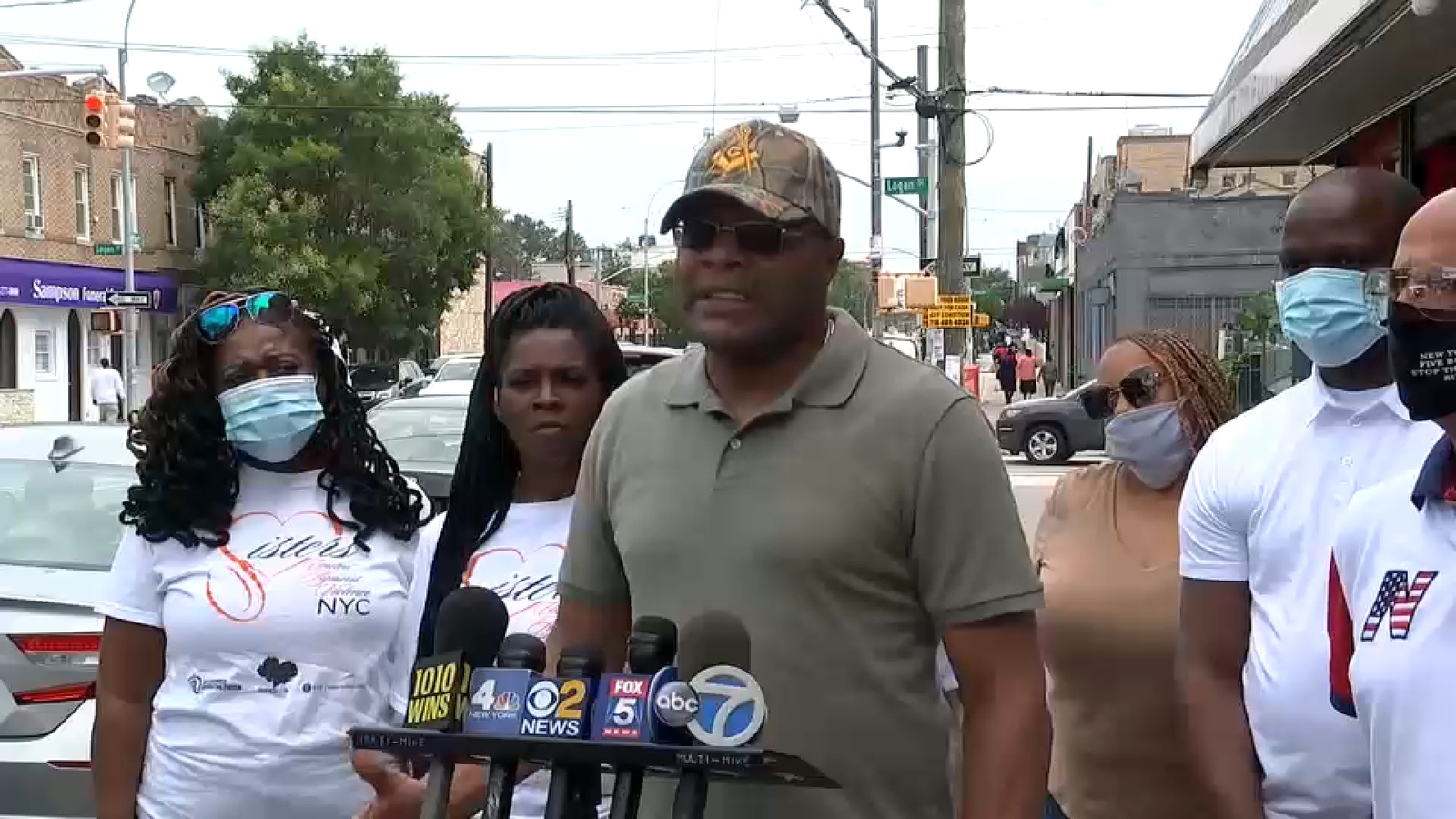
Federal prosecutors arrested Tony Herbert, a former City Hall official and public housing liaison, charging him with bribery, honest services wire fraud, extortion under color of official right, federal program fraud and wire fraud tied to two alleged pay-to-play schemes. The indictment alleges Herbert solicited and accepted $11,000 from a security company executive to influence awarding of security contracts at public housing and took $5,000 in kickbacks from a funeral home director in exchange for approving burial assistance, while also filing false financial disclosures and submitting a fraudulent $20,000 PPP loan application. Herbert reportedly held roles in the Mayor's Community Affairs Unit and as citywide public housing liaison from 2022–2025; the charges raise governance and procurement risk for city housing vendors but are unlikely to have meaningful market impact beyond reputational and political scrutiny.
Market structure: This is a localized governance shock that benefits large, audited vendors and compliance/security-technology providers while hurting small, municipality-dependent contractors and service firms. Expect procurement to shift toward larger incumbents (3–8% incremental win-rate lift for Tier-1 suppliers in NYC bid pipelines over 6–12 months) and downward pressure on prices for smaller vendors as cities centralize contracts.
Risk assessment: Tail risk is an expanded federal probe or a credit-watch on NYC that could widen NYC muni spreads by 20–50 bps in a worst-case 3–12 month window; more likely near-term spread widening is 5–15 bps over weeks–months. Hidden dependencies include federal aid timing, local budget cycles and pension pressure—any negative trigger from those could amplify moves; catalysts to watch in next 30–90 days are additional indictments, DOJ asset-seizure filings, and rating-agency commentary.
Trade implications: Tactical defensive trades favor short-duration safe assets and long positions in large, vetted public-safety suppliers; tactical muni hedges are prudent. Options activity on muni ETFs and local-contractor equities could rise 20–40% in implied vol over 1–3 months—use defined-risk structures rather than naked shorting.
Contrarian angles: The consensus will underprice the beneficiaries (security tech, compliance firms) and overprice the pain to national players (funeral services). Historical parallels (NYC governance scandals) show initial market scares that normalize after procurement reform—opportunity to buy large-cap, compliant vendors after an initial 5–10% knee-jerk selloff.
AI-powered research, real-time alerts, and portfolio analytics for institutional investors.
Request DemoOverall Sentiment
moderately negative
Sentiment Score
-0.40
