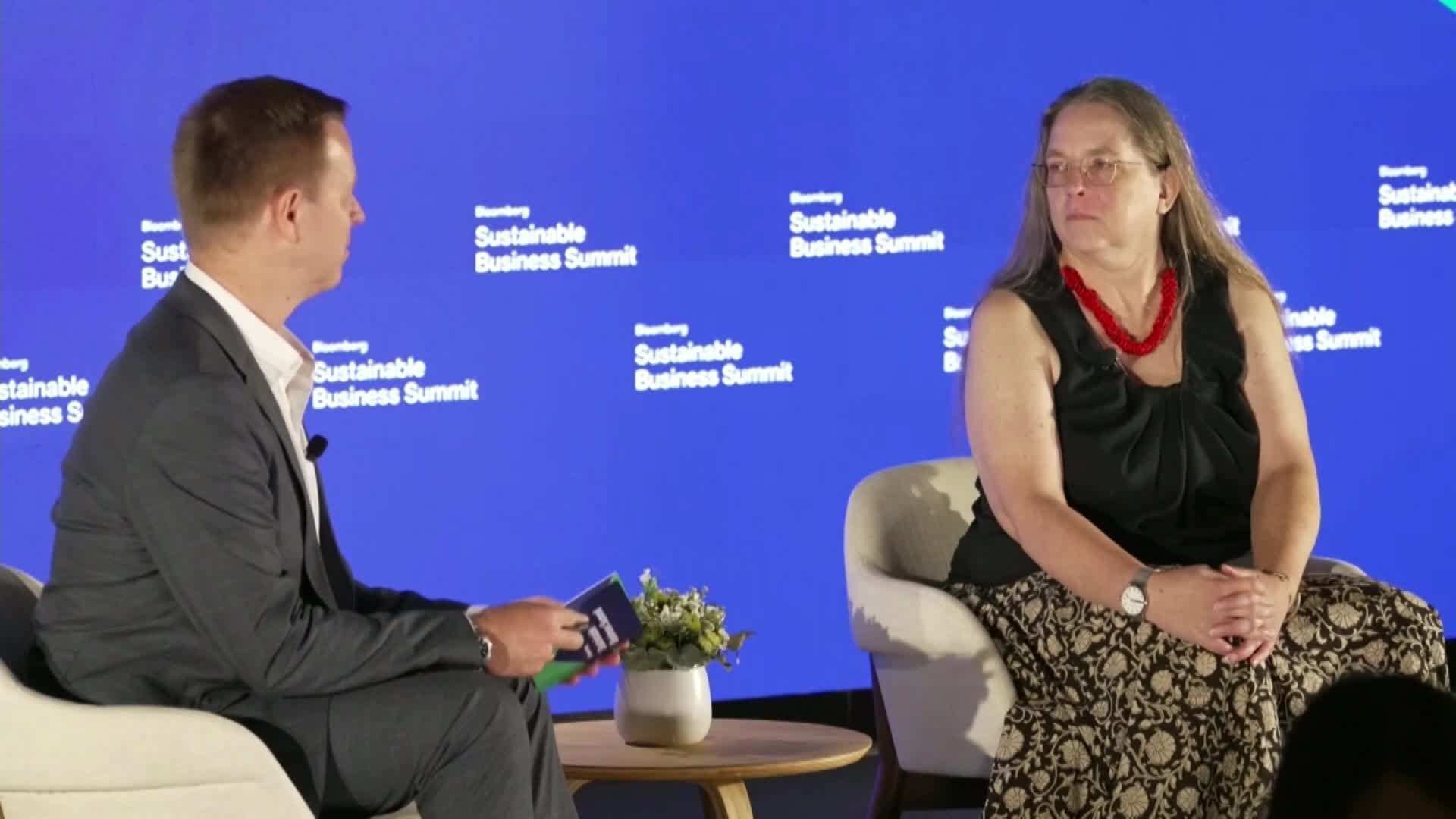
At the 2025 Bloomberg Sustainable Business Summit in Singapore, Deborah Elms of the Hinrich Foundation and former Canadian Minister Mary Ng explored the critical nexus between the ongoing trade war and its implications for ESG policy, particularly across ASEAN and globally. This discussion underscores the growing importance for investors to analyze how geopolitical trade tensions are shaping sustainability initiatives and regional investment landscapes.
A high-level discussion at the 2025 Bloomberg Sustainable Business Summit in Singapore, featuring Deborah Elms of the Hinrich Foundation and former Canadian Minister Mary Ng, has highlighted the critical intersection of escalating trade tensions and environmental, social, and governance (ESG) policies. The dialogue specifically addressed the impact of the unfolding trade war on ESG frameworks within the ASEAN region and globally. This signals a growing recognition among policymakers and thought leaders that geopolitical friction is no longer separate from sustainability initiatives. The convergence of these themes—trade policy, ESG, and geopolitics—introduces a new layer of complexity for investors, suggesting that supply chain realignments and protectionist measures may directly influence corporate sustainability commitments and the regulatory landscape for responsible investing, particularly in emerging Asian markets.
AI-powered research, real-time alerts, and portfolio analytics for institutional investors.
Request DemoOverall Sentiment
neutral
Sentiment Score
0.00
