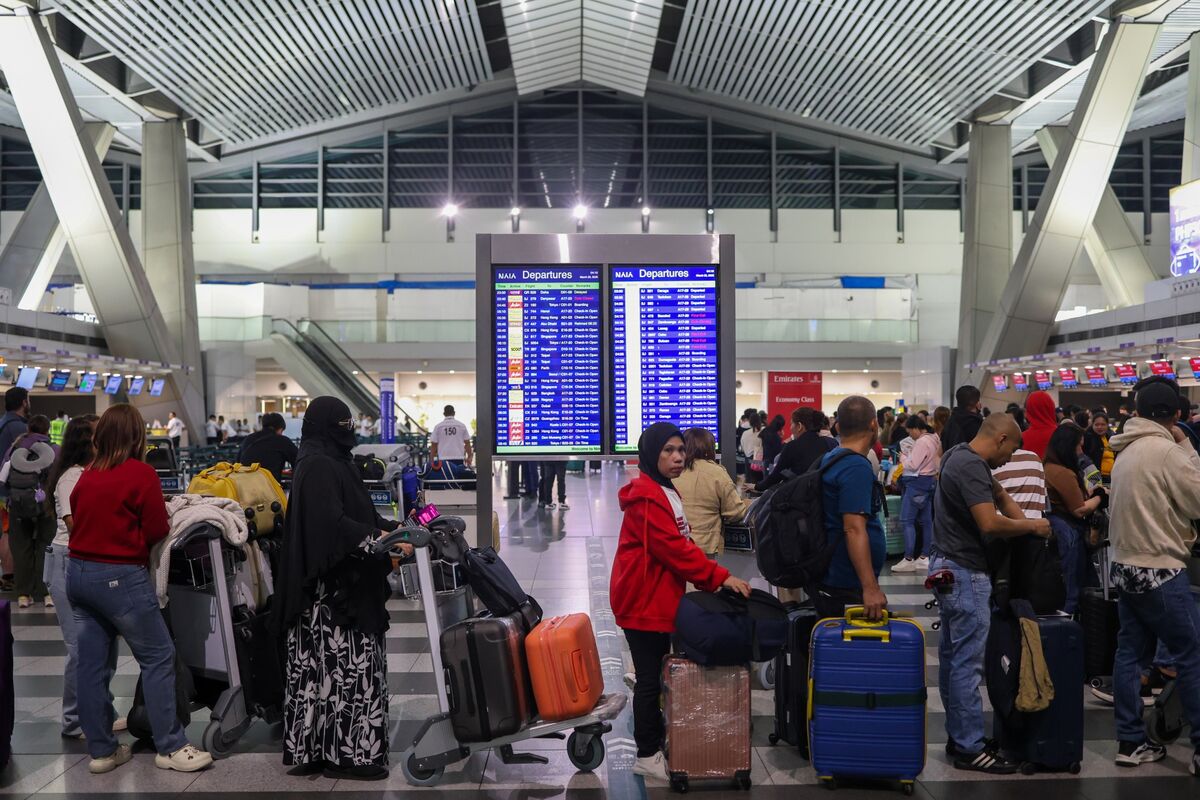
A significant jet-fuel shortfall tied to the Iran war and a blockade of the Strait of Hormuz is driving jet-fuel prices to record highs and has led airlines across Asia-Pacific (Vietnam to New Zealand) to cancel flights. China has curbed fuel exports to protect domestic supplies, refiners cannot fully offset the lost volumes, and the disruption risks spreading from Asia to Europe and broader energy and travel markets.
The immediate market inefficiency is a concentrated, seasonally amplified mismatch between middle‑distillate demand and the short‑term elasticity of refinery output. Refineries can shift yields, but meaningful jet-fuel-directed runs or refinery conversions take weeks to months and typically require running heavier crudes or sacrificing gasoline margins; expect ULSD/jet cracks to trade with significantly higher volatility versus gasoline over the next 4–12 weeks.
Second‑order consequences will cascade through logistics and FX-sensitive tourist economies: higher jet fuel raises unit flight costs and incentivizes airlines to reallocate limited capacity to higher-yield international/cargo routes, pressuring low‑yield domestic/LCC routes and regional competitors that cannot hedge forward fuel exposure. Shipping and bunker markets will face spillover — longer tanker voyages and re-routing increase freight lead times by days, tightening container availability in Asia‑Europe lanes and amplifying seasonal demand shocks.
Key catalysts to monitor as trade triggers are binary and time‑layered: near‑term (days–weeks) — further chokepoint escalation, refinery turnarounds, or tactical SPR/strategic sales; medium term (1–3 months) — refiners’ ability to re‑optimize yields and cargo/route rebalancing by airlines; long term (6–12 months) — capacity investments or new trade lanes that relieve systemic chokepoints. The tail risk is a short but deep supply loss that forces materially higher crack spreads and casualties among undercapitalized carriers; conversely, diplomatic de‑escalation or targeted product releases could unwind >50% of realized premium within 4–8 weeks.
AI-powered research, real-time alerts, and portfolio analytics for institutional investors.
Overall Sentiment
strongly negative
Sentiment Score
-0.70
