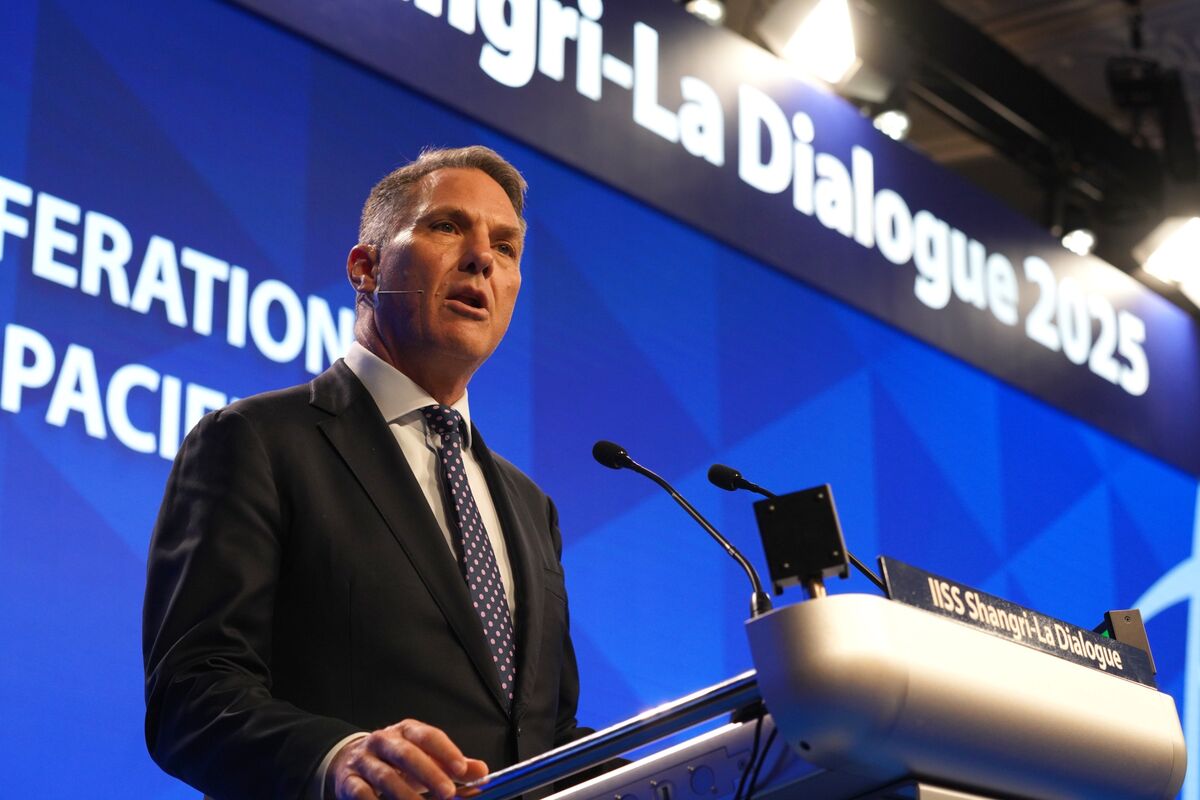
Australia's Deputy Prime Minister Richard Marles stated that the Australian government has consistently opposed Chinese ownership of the Port of Darwin and is actively seeking a resolution to its current ownership structure by a Chinese government-controlled entity. Marles clarified that the Australian government is not under specific pressure from the U.S. government regarding the port, despite increased scrutiny of the facility in Canberra.
Australia's Deputy Prime Minister and Defense Minister, Richard Marles, has reiterated the government's consistent opposition to the Chinese government-controlled entity's ownership of the Port of Darwin, stating they are "working through to get a better resolution to the ownership structure." Speaking at the Shangri-La Dialogue, Marles clarified that while the facility is under increased scrutiny in Canberra due to its strategic importance, Australia "isn’t under added pressure from the Trump administration" to find a new buyer, suggesting the current impetus for change is primarily domestic. This situation highlights ongoing geopolitical tensions surrounding foreign ownership of critical infrastructure, particularly involving Chinese state-linked entities, and carries notable implications for regional trade, supply chains, and defense postures, contributing to a moderately negative sentiment around the uncertainty of the port's future.
AI-powered research, real-time alerts, and portfolio analytics for institutional investors.
Request DemoOverall Sentiment
moderately negative
Sentiment Score
-0.50
