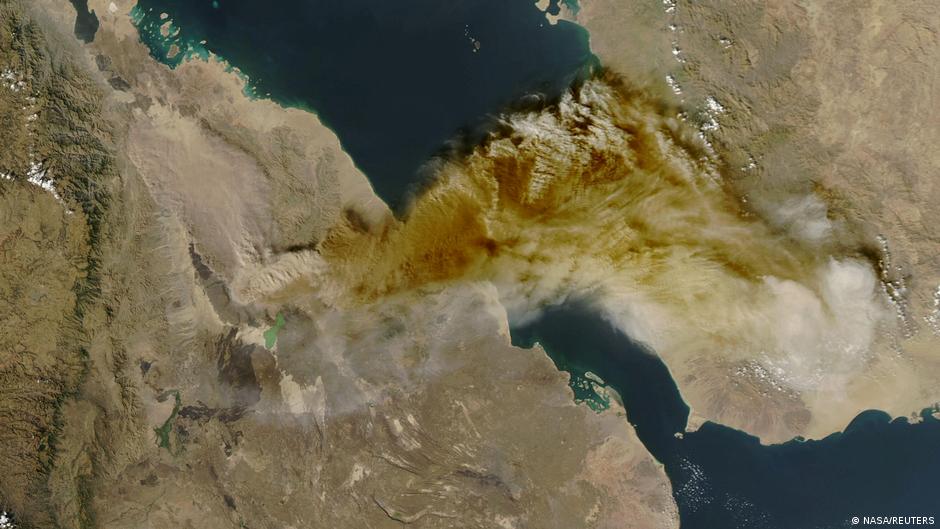
The long-dormant Hayli Gubb volcano in Ethiopia erupted for the first time in nearly 12,000 years, sending an ash plume up to 14 km that drifted across the Red Sea toward Yemen, Oman, Pakistan and northern India. Indian carriers conducted precautionary regulatory checks and Air India canceled 11 flights while Akasa scrapped scheduled Middle East services, with the India Meteorological Department forecasting the ash would clear Indian skies by 1400 GMT Tuesday; local authorities warned of health risks and potential economic impacts on farming. The event presents localized operational disruption for airlines and short-term health and logistics concerns but currently limited broader market implications.
Market structure: Short, sharp winners are aircraft MRO/parts suppliers and satellite/weather-data vendors that get paid for inspections/monitoring; losers are passenger airlines and regional carriers with immediate cancellations and extra checks. Expect 1–5% near-term revenue hit to affected India/Middle East routes and elevated short-term opex from inspections and diverted routing; pricing power for carriers is weak in this window. Cross-asset: expect a small bump in implied vols for airline equities/options (+10–30% IV move intraday possible), tiny safe-haven bid in duration if disruptions widen, and transient jet-fuel demand downwards (basis moves <1–2%).
Risk assessment: Tail scenarios include a prolonged eruption (1–3% probability) causing multi-week airspace closures, large insurance losses, and regulatory groundings that could depress carrier EPS by >5% quarterly. Immediate horizon is hours–days of disruptions; short-term (weeks) sees higher maintenance spend and schedule churn; long-term (quarters) only matters if eruptions recur or regulation mandates costly inspections. Hidden deps: rerouting raises fuel burn and crew costs, and supply-chain spare parts shortages could amplify delays.
Trade implications: Short-duration trades: buy 1-month ATM puts on JETS (or buys on AAL/UAL) sized 1–2% portfolio for 2–6 week event risk; medium-term: establish 1–2% longs in HEICO (HEI) or other MRO names for 3–6 months anticipating inspection revenue. Pair trade: long HEI (+1.5%), short AAL or JETS (-1.5%) to capture asymmetric MRO upside vs. carrier pressure. Options: consider buying 30–45 day put spreads to cap cost and target 25–100% drawdown on downside moves.
Contrarian angles: The consensus overstates systemic threat — historic parallel Eyjafjallajökull (2010) caused big near-term disruption but airline equities recovered in 2–3 months; market likely underprices sustained MRO revenue and inspections, and overprices long-term demand decline. If ash clears in 24–48 hours as forecast, short-vol trades in airlines (sell short-dated calls) could be profitable; conversely, a second eruption would re-rate downside rapidly, so keep position sizing tight and use time-limited options.
AI-powered research, real-time alerts, and portfolio analytics for institutional investors.
Request DemoOverall Sentiment
mildly negative
Sentiment Score
-0.25
