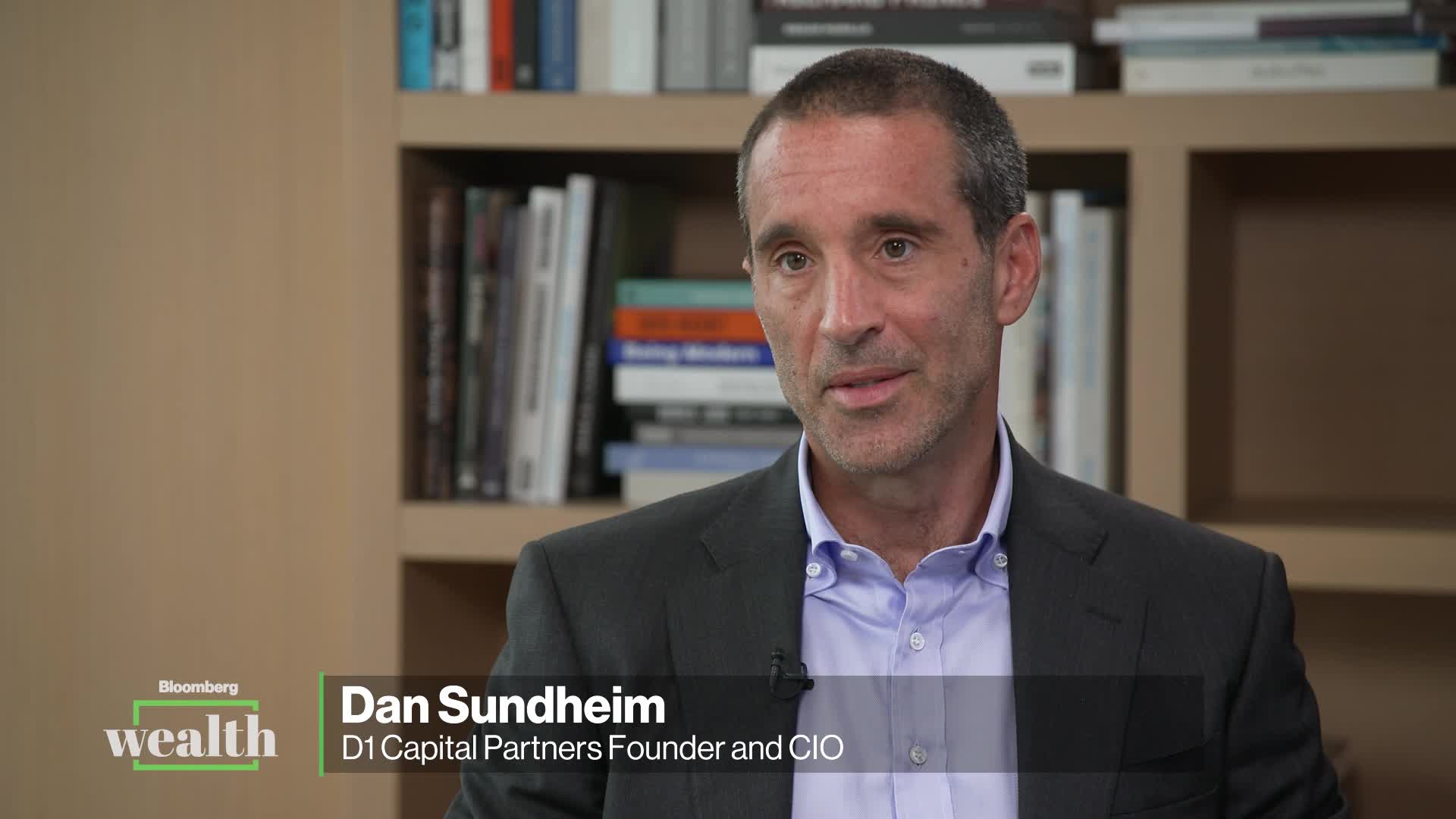
Dan Sundheim of D1 Capital Partners recounted the 'painful' impact of the GameStop short squeeze, underscoring the significant challenges faced by the firm. Separately, Guggenheim's Anne Walsh called for greater fiscal discipline in Washington, asserting the need for 'fiscal hawks'.
The provided information highlights two distinct but important themes for institutional investors: idiosyncratic risk from concentrated positions and macro-level fiscal policy concerns. Dan Sundheim of D1 Capital Partners' recollection of the GameStop short squeeze as a "painful" event serves as a stark reminder of the significant capital risk inherent in short-selling, particularly in names with high retail investor engagement. While the neutral sentiment score of 0.0 for both the article and GameStop (GME) indicates this is a historical reflection rather than new, market-moving information, it underscores the lasting impact of this market event on hedge fund risk management. Separately, Guggenheim's Anne Walsh's call for "fiscal hawks" in Washington introduces a forward-looking macro consideration. This commentary points to a potential shift in the fiscal landscape, suggesting that investors should be attuned to debates around government spending and budget discipline, which could influence broader economic conditions and market performance.
AI-powered research, real-time alerts, and portfolio analytics for institutional investors.
Request DemoOverall Sentiment
neutral
Sentiment Score
0.00
Ticker Sentiment
