




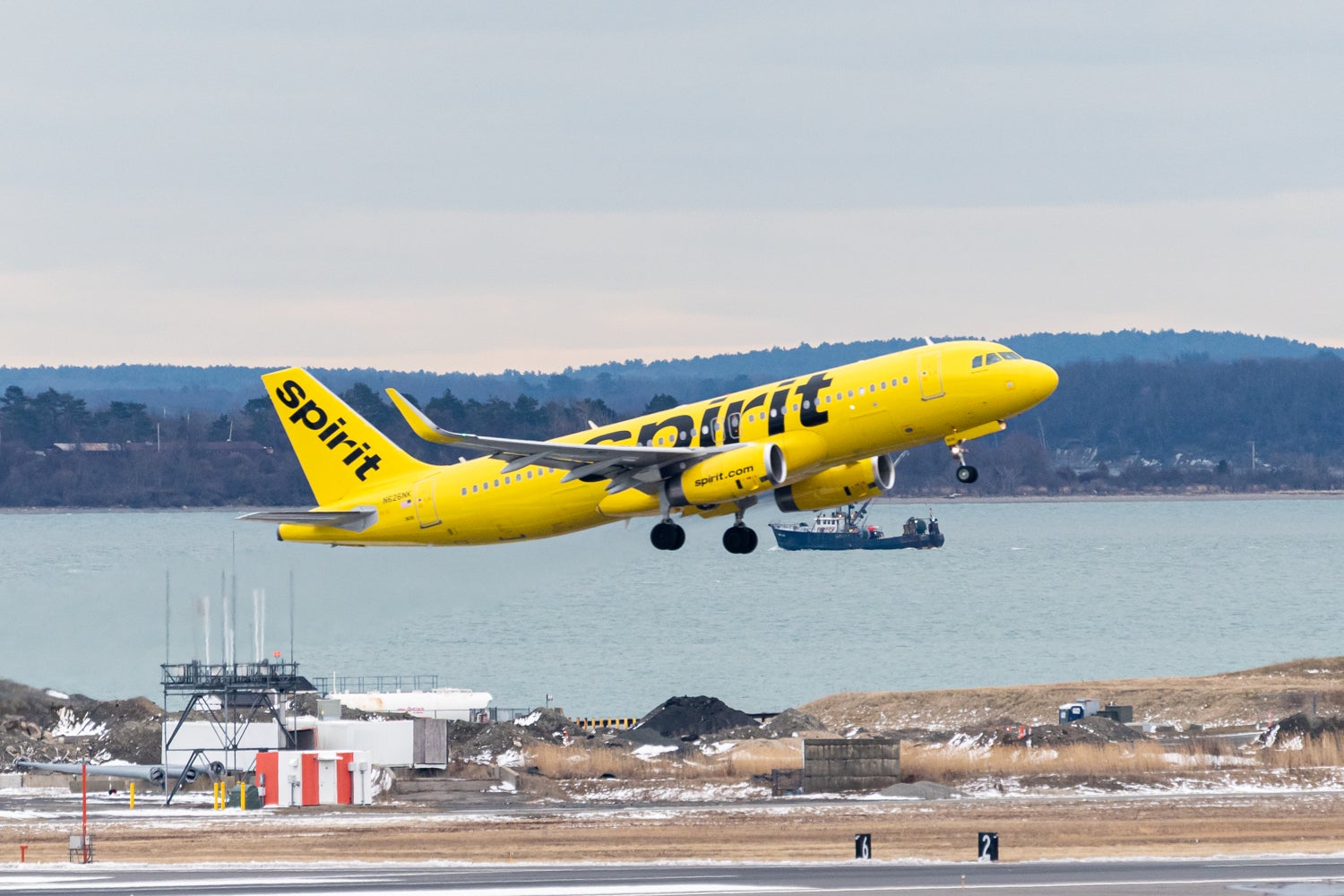
Spirit Airlines is auctioning 22 LaGuardia slots on July 9, with the assets valued at nearly $87 million in April and potentially enabling a competitor to add roughly 12 daily flights at LGA. The sale is subject to bankruptcy court approval after Spirit shut down operations on May 2. Likely bidders include American, Frontier, JetBlue, and Southwest, while Delta could face antitrust scrutiny if it pursued the slots.
This is less about a single airport asset and more about a scarce-capacity arbitrage in the most supply-constrained domestic market. The marginal winner gets immediate access to a slot portfolio that can be monetized through frequency expansion, schedule repositioning, or—more likely—network defense at a slot-controlled airport where organic growth is otherwise nearly impossible. The second-order effect is that the winning carrier can force rivals to defend unit revenue in a market where even modest frequency increases can distort fare discipline for an entire summer/fall schedule cycle.
The most attractive buyer is likely a carrier that can convert slots into incremental connectivity rather than pure volume. JetBlue and American can use the asset to reinforce Northeast network density, while a budget operator like Frontier or Southwest would be buying optionality to establish a visible New York presence without the usual multi-year barrier to entry. Delta is strategically disadvantaged by concentration risk, so even if it wanted the asset, regulatory friction raises the execution hurdle and makes the bid ceiling less rational.
The market may be underpricing the legal and timing risk: bankruptcy court approval and airport reallocation mechanics mean the economic benefit likely lands only after peak summer, so this is a Q4/Q1 story rather than an immediate EPS catalyst. The real risk/reward is in relative valuation—small slot acquisitions can have outsized signaling value, especially for airlines trying to prove discipline after years of capacity chasing. If the auction clears below Spirit’s prior valuation, it would also validate that slots remain valuable but not infinite, capping the upside for the most aggressive bidders.
Contrarian view: consensus is focused on who wins the slots, but the bigger tell is who overbids for branding rather than return on capital. If a low-cost carrier pays up, it could be a near-term negative for margin but positive for medium-term strategic relevance; if a legacy carrier wins, expect a faster competitive response from incumbents at LGA and JFK that could dilute the benefit. The market should treat this as a relative-value event, not a sector-wide bullish signal for airline fundamentals.
AI-powered research, real-time alerts, and portfolio analytics for institutional investors.
Request TrialOverall Sentiment
mildly negative
Sentiment Score
-0.15
Ticker Sentiment
