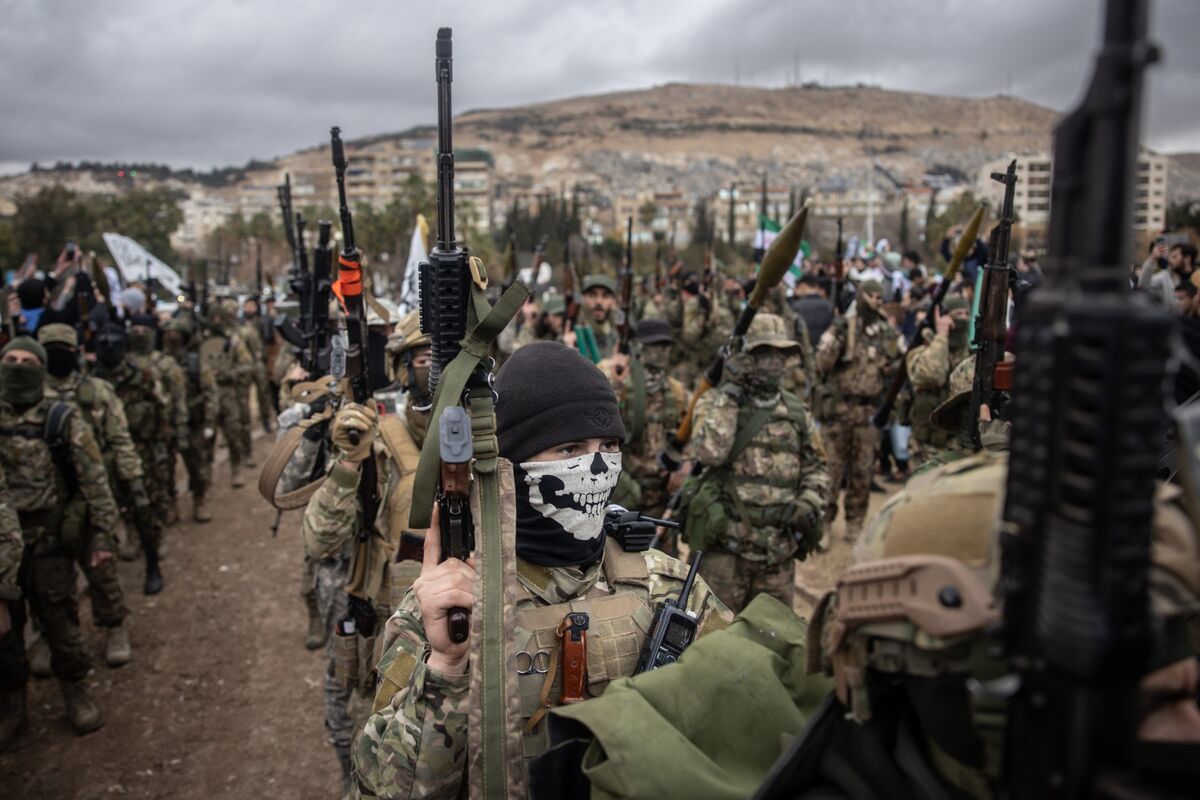
The US State Department is revoking the foreign terrorist designation of Syrian rebel group Hay’at Tahrir al-Sham (HTS), effective July 8. This decision, announced by Secretary of State Marco Rubio and following President Trump's recent order to terminate sanctions on Syria, is attributed to HTS's announced dissolution and the Syrian government's commitment to combat terrorism. The move signals a significant shift in US policy towards Syria, potentially easing financial restrictions and opening new avenues for engagement in the region.
The US is executing a significant strategic pivot in Syria by revoking the foreign terrorist designation of Hay’at Tahrir al-Sham (HTS) and terminating broader country-wide sanctions. This dual action, officially justified by the dissolution of HTS and the new Syrian government's commitment to counter-terrorism, signals a move towards diplomatic and economic normalization. The delisting of HTS, a group described as instrumental in the previous regime change, alongside the lifting of sanctions, effectively removes major barriers to international engagement. This policy shift creates a potential pathway for foreign investment and aid into a nation previously isolated from global financial markets. The neutral sentiment and low market impact scores suggest that while the geopolitical development is substantial, its direct, immediate impact on traded assets is perceived as minimal, likely reflecting the high-risk, frontier nature of the Syrian market and the early stage of this political thaw.
AI-powered research, real-time alerts, and portfolio analytics for institutional investors.
Request DemoOverall Sentiment
neutral
Sentiment Score
0.00
